


TL;DR:
- Effective production checklists cover safety equipment, equipment readiness, materials, team briefing, quality, 5S, and documentation.
- Integrating lean principles like 5S improves efficiency, reduces search times, and boosts overall equipment effectiveness.
- Digital tools enhance checklist accuracy, traceability, and real-time data, supporting continuous operational improvement.
Running a production shift means managing safety, equipment, people, and quality all at once. One missed step can trigger a cascade of errors that costs time, materials, and team morale. That pressure is real, and it is constant. A well-structured daily checklist is one of the most effective tools you have to convert that pressure into predictable, repeatable performance. This guide breaks down exactly what to include in your production supervisor checklist, how to apply lean principles, and how to adapt your approach to your specific plant environment.
| Point | Details |
|---|---|
| Daily checklist essentials | Cover safety, equipment, materials, team briefing, and quality checks every shift for reliable outcomes. |
| Leverage 5S | Integrate lean 5S audits to consistently reduce waste and improve workflow efficiency. |
| Customisation delivers results | Tailor your checklist based on plant needs, team input, and performance metrics for best results. |
| Review and improve | Combine checklists with KPI tracking and active coaching for continuous operational gains. |
Now that we have outlined the importance of checklists, let us break down the core elements you should include.
Every effective production supervisor checklist covers the same fundamental ground, regardless of industry or plant size. Daily checklists covering pre-production readiness, safety inspections, equipment checks, quality control, 5S organisation, and shift handovers are standard practice in manufacturing. These categories exist because they address the areas most likely to cause disruption when left unchecked.
Here are the core checklist categories every supervisor should cover:
Using a productivity checklist for manufacturing that covers all these areas reduces overlooked tasks and makes shift handovers far more consistent. It also lowers the reactive firefighting that drains supervisors of time and focus.
You should adapt the scope of your checklist based on shift length, line complexity, and product type. A high-mix, low-volume line needs more granular quality checks. A high-volume, single-product line may need more focus on equipment uptime and throughput. The key is that your checklist reflects your actual operating conditions, not a generic template.
For quality monitoring essentials, the checklist should include specific control points tied to your product specifications, not just general reminders.
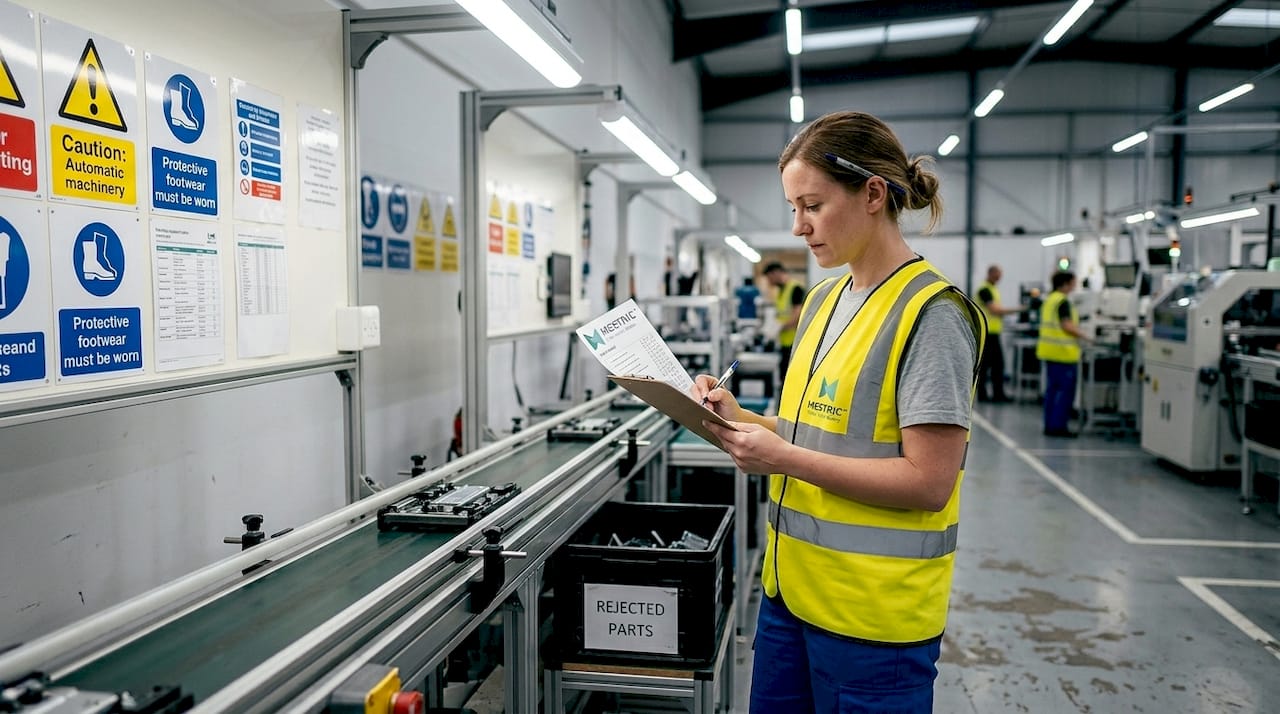
Pro Tip: Involve your team in updating checklist items at least once per quarter. Operators and technicians spot gaps that supervisors miss from the office. Their input improves both accuracy and buy-in.
With the basics covered, it is worth exploring how lean manufacturing principles, especially 5S, fit into your daily checklist.
The 5S methodology gives supervisors a structured framework for maintaining a productive, waste-free workplace. The five steps are Sort, Set in Order, Shine, Standardise, and Sustain. Each one targets a different layer of workplace inefficiency, from clutter to inconsistent standards.
Integrating 5S audits into your daily checklist produces measurable results. Plants that run daily 5S checks report up to 65% reduction in search times for tools and materials. Overall Equipment Effectiveness (OEE), which measures availability, performance, and quality together, can improve by up to 85% when 5S is consistently applied. These are not marginal gains.
Here is how 5S maps to practical checklist actions:
The table below shows the difference between running regular 5S audits versus skipping them:
| Metric | With daily 5S audits | Without 5S audits |
|---|---|---|
| Tool search time | Reduced by up to 65% | High, unpredictable |
| OEE improvement | Up to 85% | Minimal or declining |
| Defect rate | Lower, more consistent | Higher, variable |
| Shift handover time | Faster, cleaner | Slower, prone to errors |
For more detail on how to structure this, review these optimisation checklist tips and consider how logistics checklist integration principles can reinforce your approach.
Pro Tip: Assign small, quick daily 5S checks to each shift rather than relying solely on weekly audits. A five-minute daily check catches problems before they compound, and it builds a culture of ownership across the team.
Beyond lean tools, supervisors must also address quality standards and safety. Here is how checklists drive excellence in these critical areas.
Poor shift handovers are one of the most common causes of quality failures and safety incidents in manufacturing. When information is passed verbally without a structured process, critical details get lost. Checklists solve this by creating a written record of batch status, unresolved actions, and equipment conditions at the point of handover.
Here are the five quality and safety checkpoints every supervisor should include in their shift checklist:
Root cause tools such as PDCA (Plan, Do, Check, Act) and the 5 Whys method work well when embedded into your daily routine. Rather than waiting for a formal review meeting, supervisors can use these tools at the point of a defect or near-miss to capture learning in real time.
“Plants with proactive checklists see 40 to 60% lower costs and 25 to 35% higher productivity, with empirical data showing a 23.3% setup time reduction when quality tools are applied systematically.”
This is not a small improvement. A reduction of that scale in setup time compounds across every shift, every week. Use your optimisation guide for supervisors to build these tools into your standard practice, and review monitoring for operational excellence to understand how data supports each checkpoint.
No single checklist fits every operation. Here is how to tailor yours for maximum results.
The format and depth of your checklist should match your plant’s size, product mix, team skill level, and technology maturity. A supervisor managing a small team on a single line needs a different tool than one overseeing multiple lines with complex quality requirements.
The table below compares the most common checklist styles:
| Checklist type | Key strengths | Limitations |
|---|---|---|
| Daily paper checklist | Simple, low cost, accessible | Hard to analyse, easy to lose |
| Weekly audit checklist | Good for trend review | Misses daily variations |
| Digital/MES-enabled checklist | Real-time data, trackable, linked to KPIs | Requires setup and training |
| Hybrid (paper + digital) | Flexible, transitional | Can create duplication |
A supervisor’s daily routine typically includes floor walks, coaching conversations, and data review. Each of these activities can be supported by a well-designed checklist that prompts the right questions at the right time.
For successful customisation, follow these steps:
For guidance on connecting checklist data to plant performance, explore these data-driven efficiency tips.
Let us step back and ask a direct question. What is the real difference between using a checklist and actually improving operations?
Checklists create structure. They reduce the chance of missing something critical. But a checklist that is filled in without genuine attention is just paperwork. We have seen plants where every box is ticked and performance still declines, because the supervisor is completing the form rather than engaging with the floor.
The real gains come when supervisors use checklists as a starting point for coaching conversations, not a substitute for them. When a checklist item flags a quality issue, the value is not in ticking the box. It is in asking why it happened and what changes will prevent it tomorrow.
Over-reliance on static lists can also create blind spots. If your checklist never changes, you stop seeing the things it does not cover. That is why integrating root-cause tools, continuous improvement cycles, and people development alongside your checklist is essential.
For a broader view of how to connect these elements, review these workflow efficiency strategies. The checklist is the floor. What you build on it is what matters.
Ready to make your checklist work even harder? Here is how to take the next step.
Manual checklists are a solid foundation, but digital tools take your results further. With a Manufacturing Execution System (MES), your checklist items connect directly to real-time equipment data, quality parameters, and shift KPIs. Nothing slips through, and every action is traceable.
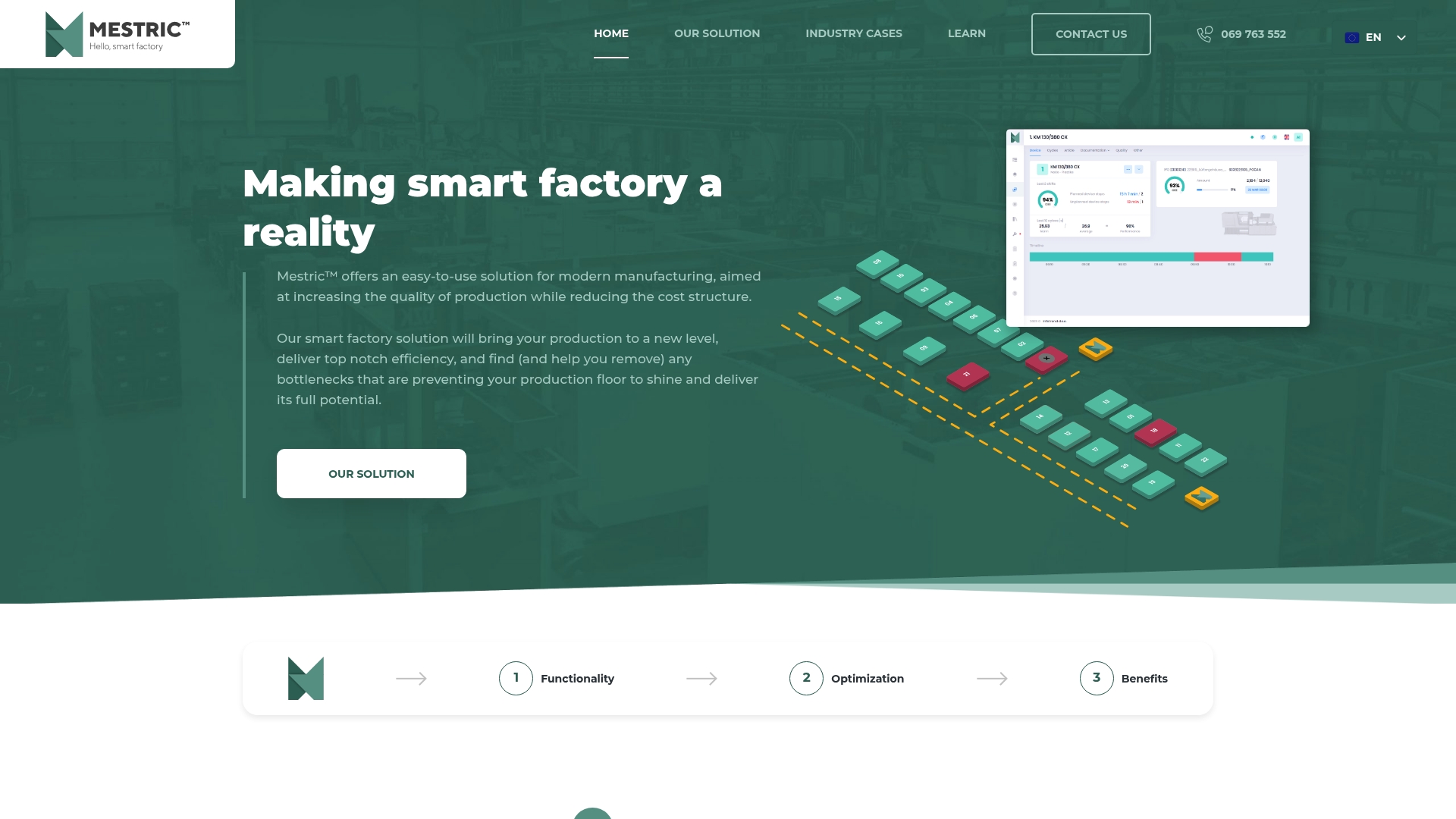
Mestric™ gives production supervisors a live view of performance, quality, and downtime, all in one place. You can build digital checklists that trigger alerts, log non-conformances automatically, and feed directly into your improvement cycles. Explore how MES compares to traditional manufacturing approaches, discover practical guidance on streamlining your operations, and see how production quality monitoring supports every item on your checklist.
Safety inspections should always come first, as they prevent costly incidents and set the foundation for all other shift activities. Pre-production safety checks are a standard starting point in manufacturing daily checklists.
5S audits reduce time wasted searching for tools and materials while directly improving Overall Equipment Effectiveness (OEE), making them one of the highest-return additions to any daily checklist.
Gather feedback from your floor team, link checklist items to your plant’s specific KPIs, and review its effectiveness at least quarterly to keep it relevant and accurate.
Digital checklists enable real-time tracking, better data analytics, and faster corrective action, making them significantly more effective than paper forms for plants focused on continuous improvement.


 069 763 552