


TL;DR:
- Predictive analytics uses data to forecast and prevent equipment failures and optimize manufacturing processes.
- It offers benefits like reduced downtime, lower maintenance costs, improved quality, and better demand forecasting.
- Successful implementation requires high-quality data, stakeholder buy-in, proper training, and ongoing model refinement.
Many manufacturers still operate on a run-to-failure basis, waiting for equipment to break before taking action. It is a costly habit. Predictive analytics leverages historical and real-time data to forecast manufacturing outcomes, giving you the power to act before problems occur. This article cuts through the complexity, explains what predictive analytics actually means for your production floor, and shows you how to use it to reduce downtime, lower costs, and improve quality. Whether you are just exploring the idea or ready to implement, this guide gives you a clear, practical path forward.
| Point | Details |
|---|---|
| Proactive improvements | Predictive analytics helps manufacturers prevent problems before they occur, reducing downtime and costs. |
| Data-driven decisions | Implementing analytics enables smarter planning, inventory management, and resource use through fresh insights. |
| Cultural readiness matters | Success relies on staff engagement as much as technology—aligning people and processes is crucial. |
| Practical steps provided | The guide outlines actionable steps for turning data into measurable results on your shop floor. |
Predictive analytics is the use of statistical algorithms and machine learning models to forecast future events in your production environment. Rather than reacting to problems after they happen, you use data to anticipate them. That shift alone can transform how your facility operates.
To make predictive analytics work, you need reliable data from multiple sources. The most common include:
When these data streams are combined and analysed, patterns emerge. You can predict when a specific machine is likely to fail, identify which process variables are causing defects, or flag when production is drifting outside acceptable limits. The role of data in achieving this kind of foresight cannot be overstated. Without clean, consistent data, even the best models will produce unreliable outputs.
Predictive analytics is not a single tool. It is a capability built from the right data infrastructure, analytical models, and people who know how to act on the results. It addresses uncertainty and inefficiency proactively, rather than leaving your team to firefight.
Pro Tip: Start small. Pick one machine or one process where failures are frequent and costly. Use that as your proof of concept before scaling across the facility.
The outcomes you can expect include reduced unplanned downtime, more efficient maintenance scheduling, better product consistency, and lower operational costs. These are not theoretical gains. They are measurable results that manufacturers are already achieving.
The case for predictive analytics is built on tangible, measurable improvements. Manufacturers using predictive analytics can reduce unplanned downtime by up to 50%. That figure alone justifies serious attention from any production manager.
Here is a summary of the core benefits:
The advanced analytics benefits documented across industries consistently point to cost savings and efficiency gains as the headline outcomes.
| Outcome | Traditional approach | Predictive approach |
|---|---|---|
| Equipment maintenance | Fixed schedule or reactive | Condition-based, data-driven |
| Downtime | Unplanned and costly | Anticipated and minimised |
| Inventory management | Based on estimates | Driven by demand forecasts |
| Defect detection | Post-production inspection | Early-stage process monitoring |
| Maintenance costs | High due to emergency repairs | Reduced through planned interventions |
Beyond cost savings, predictive analytics supports better production optimisation steps across the entire value chain. When you can forecast demand more accurately, you reduce the risk of holding excess stock or running short. When you monitor quality in real time, you catch problems before they escalate into full batch failures.
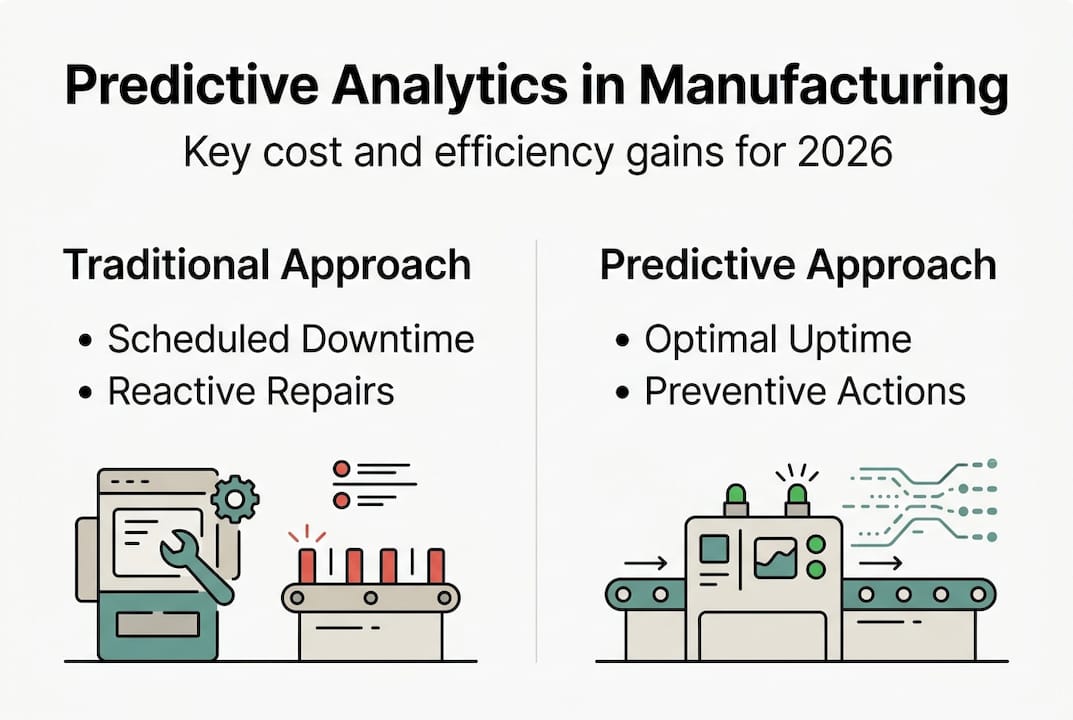
The financial impact compounds over time. Each avoided breakdown, each prevented defect, and each optimised maintenance window adds up to a significantly leaner operation.
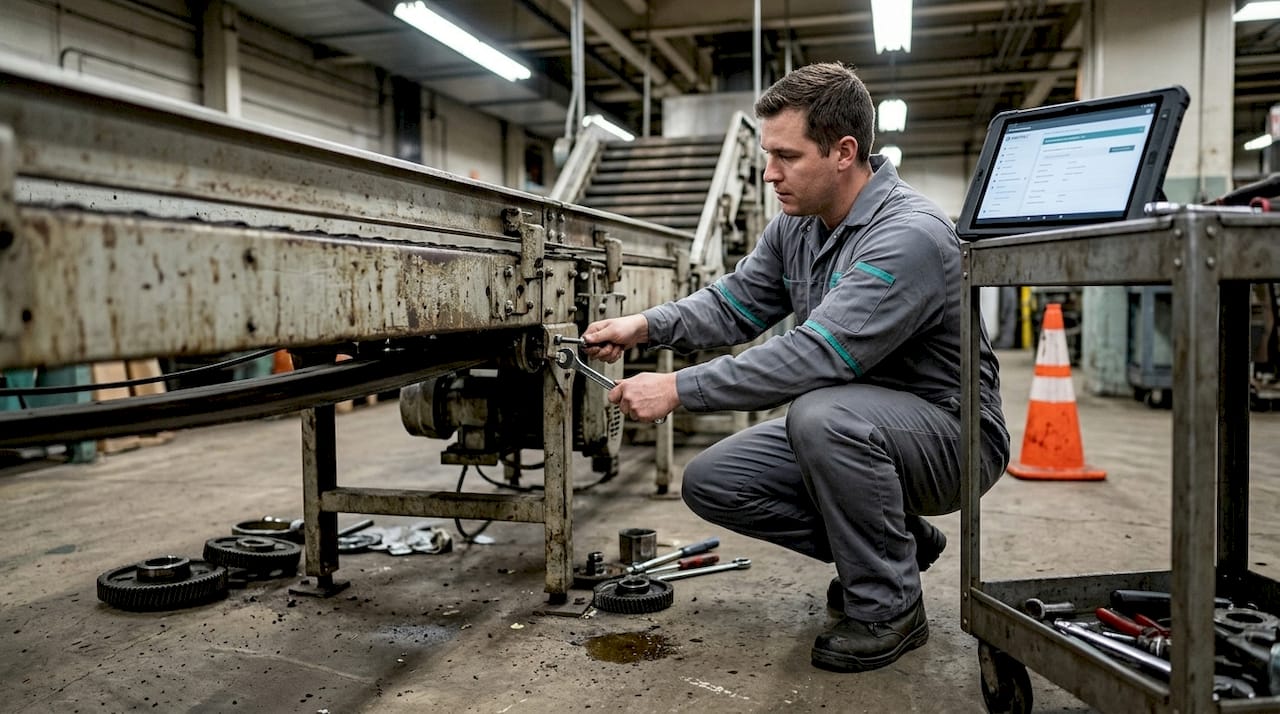
Understanding the theory is useful. Seeing it applied is more convincing. Here are three of the most impactful use cases manufacturers are using right now.
Predictive maintenance: Sensors monitor machine health continuously. When readings deviate from normal patterns, the system flags a potential failure. Maintenance teams are alerted in advance, and interventions are scheduled during planned downtime rather than during production. Case studies show predictive maintenance improves equipment uptime and product consistency across a wide range of industries.
Demand forecasting: Predictive models analyse historical sales data, seasonal patterns, and market signals to generate accurate production forecasts. This allows procurement and planning teams to align inventory with actual demand, reducing both overstock and shortages.
Quality analytics: Machine learning models identify patterns in process data that correlate with defects. By spotting these patterns early, you can adjust parameters before a defect reaches the customer. This is especially valuable in high-precision manufacturing where even minor variation causes significant quality issues.
Pro Tip: Quality analytics works best when you link sensor data directly to inspection outcomes. The more granular your data, the more precise your defect predictions will be.
| Approach | Traditional maintenance | Predictive maintenance |
|---|---|---|
| Trigger | Time-based or failure | Condition-based signal |
| Outcome | Reactive repairs | Planned interventions |
| Cost impact | High emergency costs | Lower planned costs |
| Downtime | Unscheduled | Scheduled and minimal |
These process improvement examples show that predictive analytics is not limited to large enterprises. Facilities of all sizes are using it to gain a competitive edge, and the barrier to entry is lower than most managers expect.
Getting predictive analytics off the ground requires a structured approach. Jumping straight to advanced models without the right foundations is one of the most common mistakes.
Follow these steps to build a solid implementation:
“Integrating predictive analytics requires robust data collection, skilled teams, and cultural readiness.” Role of data in manufacturing
Pitfalls to avoid:
The Deloitte guide on predictive analytics in manufacturing reinforces that cultural readiness is as important as technical capability. Explore how AI in manufacturing is reshaping implementation expectations across the sector.
Even well-resourced manufacturers struggle with predictive analytics. 70% of projects in manufacturing fail to deliver expected returns, often due to lack of alignment and poor data quality. Knowing the pitfalls in advance puts you in a much stronger position.
Here are the most common problems and how to fix them:
Pro Tip: Assign a dedicated internal champion for your predictive analytics programme. Someone who bridges the gap between data teams and the shop floor will accelerate adoption significantly.
Focusing on streamlining processes before layering on analytics also helps. A chaotic process produces chaotic data, and chaotic data produces unreliable models.
Here is something that does not get said enough: predictive analytics tells you what is likely to happen. It does not always tell you why, and it rarely tells you what to do about it in a specific context.
We have seen facilities where a predictive model flagged an anomaly in a pressing machine, but the alert was dismissed because operators knew a temporary material batch change was causing the variation. The model was technically correct. But without that human context, the response would have been wrong.
The manufacturers who get the most from analytics in manufacturing are the ones who treat their frontline workers as essential interpreters of the data. They build feedback loops between the shop floor and the analytics team. They invest as much in change management and training as they do in data infrastructure.
Technology sets the ceiling. People determine whether you reach it. The facilities pulling ahead in 2026 are not just the ones with the best data. They are the ones where analytics and experience work together.
If you are ready to move from reactive to predictive, the right platform makes all the difference. Mestric™ connects directly with your equipment, giving you real-time visibility into performance, quality, and cost metrics in one place.
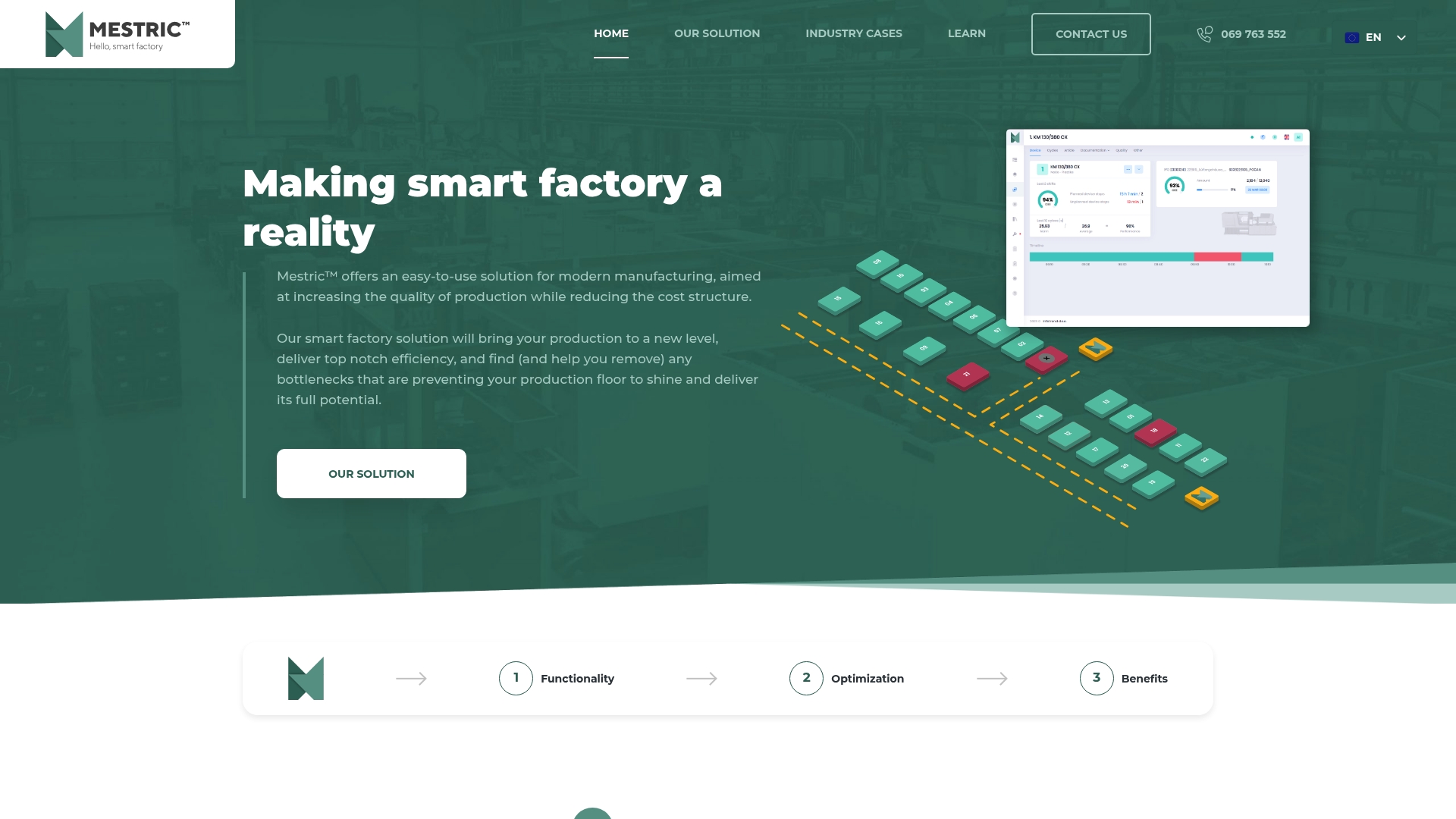
Explore how MES compares to traditional manufacturing to understand the operational gap you could be closing. Get familiar with the manufacturing software types that support predictive capabilities, and see how Mestric™ helps you streamline production operations from the ground up. The tools are here. The results are proven. The next step is yours.
Predictive analytics forecasts future events using data models, while traditional analytics focuses mainly on analysing past performance. Where traditional tools tell you what happened, predictive tools tell you what to anticipate next, reducing downtime and costs.
Begin by gathering high-quality data from machines and processes, then assess clear business objectives before selecting analytic tools. Starting with reliable data is essential to building models that actually work.
Yes, modern MES platforms are increasingly designed to support predictive analytics features. Combining MES and analytics unlocks greater efficiency, tighter quality control, and more informed decision-making.
The biggest pitfalls are poor data quality, lack of staff engagement, and inadequate planning for business change. Many projects fail due to lack of alignment and data quality issues rather than technical shortcomings.


 069 763 552