


Manufacturing executives face mounting pressure to cut costs without compromising quality or output. The challenge isn’t finding cost reduction ideas but identifying which practices deliver genuine, measurable results. This article examines proven strategies backed by real-world data, focusing on technology adoption, process optimisation, and energy management. You’ll discover actionable frameworks to prioritise investments that reduce waste, downtime, and operational expenses while building resilient operations for 2026 and beyond.
| Point | Details |
|---|---|
| Technology investments must show ROI within 12-18 months to justify implementation costs | AI scheduling and IoT monitoring deliver equipment effectiveness gains of 5% and reduce scrap by 10% |
| Lean methodologies eliminate 20-30% of operational waste within the first year | Combining Lean Six Sigma with error-proofing devices prevents defects at source and cuts rework costs |
| Energy optimisation targets 25-35% of manufacturing costs often overlooked in reviews | Strategic audits and efficiency measures can trim 15% off monthly energy bills within two months |
| Regional sourcing reduces logistics expenses and supply chain vulnerability | Shifting 30% of inputs to regional suppliers lowers costs whilst maintaining quality standards |
Selecting the right cost reduction approach requires clear evaluation criteria. Every technology investment must deliver measurable returns within 12-18 months to justify capital allocation and maintain stakeholder confidence. Without this timeframe, projects risk becoming cost centres rather than efficiency gains.
Prioritise practices that directly target the four major cost drivers: waste, downtime, energy consumption, and defect rates. Each reduction point in these areas flows straight to your bottom line. Consider scalability as well because solutions that work for a single line should expand across your facility without exponential cost increases.
Evaluate compatibility with existing systems and processes. The best technology integrates seamlessly with current infrastructure, minimising disruption and training requirements. Balance innovative solutions with proven process improvements because combining cutting-edge tools with established methodologies often yields superior results. A manufacturing optimisation checklist 2026 can help structure your evaluation process.
Pro Tip: Start by mapping your three highest cost centres, then apply these criteria to identify which practices address those specific pain points most effectively.
Key evaluation factors include:
Artificial intelligence transforms production scheduling by dynamically prioritising orders based on real-time equipment status, material availability, and quality parameters. This dynamic approach eliminates bottlenecks that static scheduling systems miss. AI-powered scheduling improved equipment effectiveness by up to 5% and reduced scrap by up to 10% in recent manufacturing implementations, demonstrating quantifiable benefits beyond theoretical efficiency gains.
IoT sensors enable predictive maintenance by monitoring equipment health continuously and flagging anomalies before failures occur. This shift from reactive to preventive maintenance cuts costly unplanned downtime significantly. One plant cut unplanned downtime by 26% through simple monitoring on key lines, proving that even basic sensor deployments deliver substantial savings without requiring facility-wide transformation.
Real-time monitoring creates actionable insights that improve forecasting accuracy and resource allocation. Production managers can identify inefficiencies as they develop rather than discovering problems through quarterly reviews. The role of ai in manufacturing extends beyond automation to include decision support systems that enhance human expertise rather than replacing it.
Pro Tip: Begin with IoT sensors on your most critical or failure-prone equipment lines to build confidence and demonstrate ROI before expanding across the facility.
Technology implementation priorities:
| Technology | Primary benefit | Typical ROI timeframe | Implementation complexity |
|---|---|---|---|
| AI scheduling | 5% equipment effectiveness gain | 6-12 months | Medium |
| IoT sensors | 26% downtime reduction | 3-9 months | Low to medium |
| Predictive maintenance | 15-25% maintenance cost savings | 12-18 months | Medium to high |
| Real-time monitoring | 10% scrap reduction | 6-12 months | Low |
Lean programmes systematically remove non-value-adding activities from production processes, targeting the eight wastes that inflate costs without improving output. Lean programmes can cut 20–30% of operational waste within a year when implemented with management commitment and workforce engagement. This dramatic reduction comes from eliminating overproduction, waiting time, unnecessary transport, excess inventory, unnecessary motion, defects, over-processing, and underutilised talent.

Lean Six Sigma combines waste elimination with statistical process control to reduce variation and improve consistency. Lean Six Sigma reduces rework by eliminating waste and reducing variation, directly cutting material costs and labour hours spent correcting mistakes. The methodology provides a structured framework for identifying root causes rather than treating symptoms.
Poka-Yoke devices prevent errors at source through simple mechanical or electronic safeguards. These mistake-proofing tools range from sensors that detect missing components to fixtures that only accept parts in correct orientation. By catching errors before they propagate downstream, Poka-Yoke devices eliminate expensive rework and scrap. To monitor manufacturing quality effectively, combine these physical controls with digital tracking systems.
Value Stream Mapping visualises entire production flows to identify bottlenecks, redundancies, and error sources. This holistic view reveals improvement opportunities that isolated department reviews miss. The mapping process often uncovers hidden waste in handoffs between processes or information delays that stall production. Effective quality assurance and defect reduction strategies integrate these lean tools into daily operations.
“The most powerful aspect of lean implementation is cultural transformation. When workers at every level actively seek waste and suggest improvements, cost reduction becomes continuous rather than a one-off project.”
Lean implementation roadmap:
Energy expenses comprise 25–35% of total manufacturing costs yet receive less scrutiny than direct materials or labour. Regular energy audits identify inefficiencies in compressed air systems, lighting, HVAC, and production equipment. One project trimmed 15% off monthly energy bills within two months by addressing compressed air leaks and optimising equipment run schedules, demonstrating how quickly energy initiatives pay back.
Energy efficiency measures range from simple behavioural changes to capital investments in variable frequency drives and high-efficiency motors. The key is prioritising interventions by payback period, starting with low-cost actions that generate immediate savings. These quick wins fund larger projects and build organisational support for ongoing energy management.
Regional sourcing reduces logistics costs whilst decreasing supply chain vulnerability to disruptions. A German equipment maker shifted 30% of input sourcing to regional suppliers to reduce costs and improve delivery reliability. This dual benefit addresses both immediate expense reduction and long-term operational resilience.
Strategic sourcing requires balancing cost savings with quality maintenance and supplier reliability. The lowest-price supplier rarely delivers the lowest total cost when quality issues, delivery delays, and communication challenges enter the equation. Evaluate suppliers on total cost of ownership rather than unit price alone. A production optimisation guide helps integrate sourcing decisions with broader efficiency initiatives.
Pro Tip: Conduct energy audits during peak production periods to identify opportunities that typical off-hours assessments miss.
Energy and sourcing action steps:
| Energy efficiency measure | Average savings | Implementation cost | Payback period |
|---|---|---|---|
| Compressed air leak repair | 10-15% | Low | Immediate |
| LED lighting upgrade | 50-60% lighting costs | Medium | 12-18 months |
| Variable frequency drives | 20-30% motor energy | Medium to high | 18-24 months |
| Equipment scheduling optimisation | 5-10% | Low | 3-6 months |
Different cost reduction practices suit different facility profiles, budgets, and strategic priorities. Large plants with capital availability benefit most from comprehensive technology deployments that deliver incremental gains across multiple production lines. Smaller operations achieve better returns by focusing on lean methodologies and energy efficiency measures that require minimal upfront investment.
Synergies between approaches multiply benefits beyond individual implementations. Pairing AI scheduling with lean waste elimination creates a powerful combination because optimised schedules reduce bottlenecks whilst lean principles ensure each step adds maximum value. Similarly, IoT monitoring enhances energy management by providing granular consumption data that manual audits cannot capture.
Start with quick wins that demonstrate value and build organisational confidence. Visible early successes secure stakeholder support for longer-term initiatives requiring greater investment. This progressive approach also allows learning and adjustment before committing substantial resources. Resources like guides to streamline manufacturing processes provide frameworks for sequencing improvements logically.
Consider your facility’s maturity level when selecting strategies. Operations still using manual scheduling and paper-based quality tracking gain more from basic digitisation than advanced AI tools. Conversely, digitally mature plants maximise returns by layering sophisticated analytics onto existing data infrastructure. Understanding your starting point prevents costly mismatches between solutions and capabilities. A manufacturing efficiency workflow assessment clarifies your current state and optimal next steps.
| Strategy | Best for | Capital requirement | Time to impact | Sustainability |
|---|---|---|---|---|
| AI scheduling | Medium to large plants with complex production mixes | Medium | 6-12 months | High |
| IoT monitoring | All facility sizes with critical equipment | Low to medium | 3-9 months | High |
| Lean programmes | All sizes, especially high-waste operations | Low | 6-12 months | Very high |
| Energy optimisation | High energy consumers, 24/7 operations | Low to medium | 2-6 months | High |
| Regional sourcing | Plants with significant import spend | Low | 6-12 months | Medium |
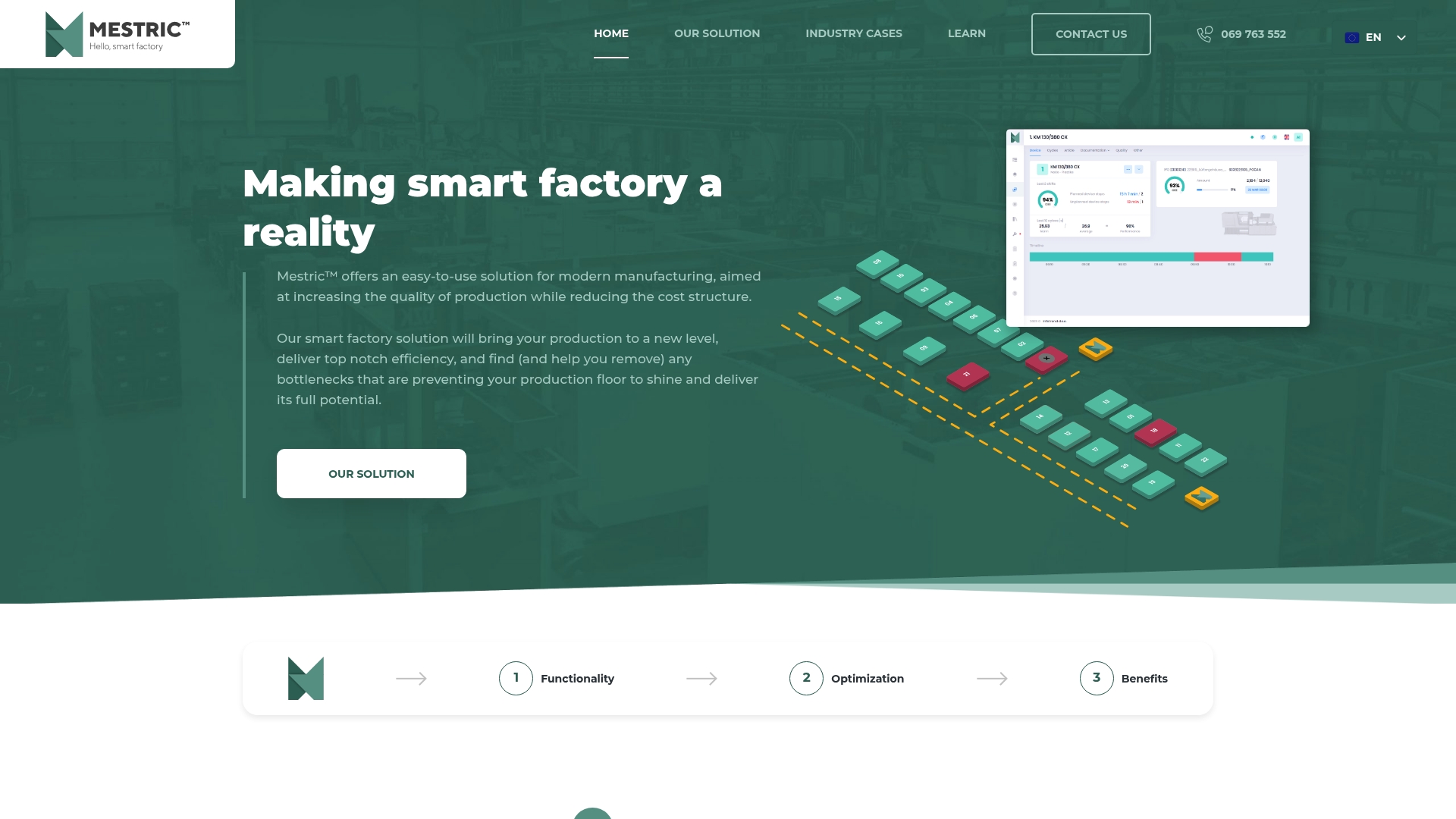
Manufacturing execution systems and specialised software platforms simplify implementing the cost reduction strategies discussed throughout this article. Modern MES solutions integrate AI scheduling, real-time monitoring, and quality tracking in unified interfaces that eliminate data silos. These systems connect directly with production equipment to capture performance metrics automatically, reducing manual data entry errors and providing instant visibility into operational efficiency.
Exploring 7 types of manufacturing software helps identify which tools address your specific cost drivers most effectively. Comprehensive guides to streamline manufacturing processes guide provide step-by-step frameworks for technology adoption. The manufacturing optimisation checklist 2026 offers a practical assessment tool to prioritise initiatives based on your facility’s unique requirements. Digital platforms support continuous improvement by making performance data accessible to everyone from operators to executives, enabling faster decision-making and coordinated cost reduction efforts.
Simple equipment monitoring using basic IoT sensors or manual tracking sheets produces immediate visibility into downtime and efficiency losses. Basic AI scheduling tools can optimise existing production sequences within weeks. Focus on low-cost, high-impact interventions like compressed air leak repairs or lighting upgrades that deliver savings without extensive planning or capital approval processes.
Lean programmes reduce rework and defect rates by standardising processes and implementing error-proofing controls, saving material and labour expenses. The cultural transformation lean creates drives continuous improvement throughout the organisation. Workers at all levels actively identify inefficiencies and suggest solutions, sustaining cost reduction long after initial implementation.
Energy comprises 25–35% of total manufacturing costs yet often escapes detailed review because bills arrive as single monthly figures. Integrating energy audits with efficiency measures quickly lowers operating expenses whilst reducing environmental impact. Many energy improvements require minimal investment, making them accessible quick wins that fund larger projects.
Shifting to regional suppliers reduces logistics costs, shortens lead times, and decreases supply chain disruption risks. Consolidating suppliers to achieve volume discounts whilst maintaining competition delivers savings. Balance cost reduction with rigorous supplier quality assessment and reliability metrics to avoid false economies from cheap but unreliable sources.
Establish baseline metrics before implementation across targeted cost categories like scrap rates, energy consumption, downtime hours, and defect percentages. Track improvements monthly using consistent measurement methods. Calculate total cost of ownership including implementation expenses to determine true ROI and justify continued investment in successful initiatives.


 069 763 552