

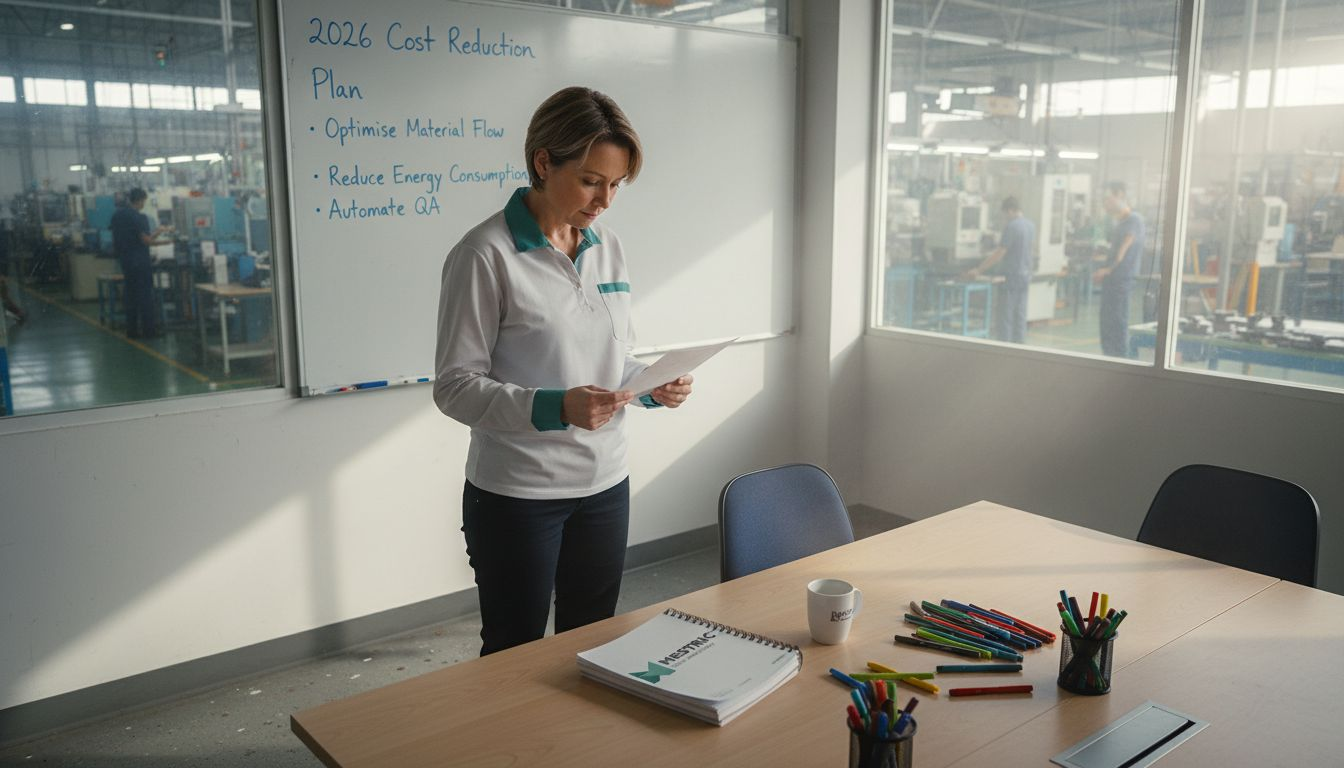
Manufacturing plant managers face a persistent challenge: identifying hidden bottlenecks and cost drains without real-time digital visibility. Manual tracking methods leave critical inefficiencies undetected, draining profitability. Bottleneck identification using integrated machine data reduces production downtime by up to 25%, making digital tools essential. This article provides a comprehensive digital-first checklist to achieve measurable improvements in efficiency, cost control, and quality through systematic optimization strategies.
| Point | Details |
|---|---|
| Digital MES with AI analytics | Boosts throughput by up to 20% and cuts defect rates by 15%. |
| Automated quality control | Reduces defects by 30%, improving yield and lowering costs. |
| Bottleneck detection | Lowers downtime up to 25% through integrated machine data. |
| Cost savings | Digital optimization delivers 15-20% operational cost reductions. |
| Readiness assessment | Ensures effective implementation and minimizes transformation risk. |
Choosing the right digital manufacturing solution requires careful evaluation of several critical factors. You need tools that deliver actionable insights, not just raw data dumps.
Real-time data integration capability is vital for actionable insights and operational impact. Equipment and sensor connectivity must be straightforward, enabling seamless data flow without extensive custom coding. Look for platforms that connect directly to your existing machinery without requiring expensive middleware.
AI and analytics capabilities separate basic monitoring from true optimization. Predictive analytics identify problems before they cause downtime, while optimization algorithms recommend specific process adjustments. MES tools for manufacturing efficiency provide the foundation for these advanced capabilities.
Scalability and flexibility matter as production demands change. Your solution should adapt to new product lines, capacity expansions, and evolving business requirements. Rigid systems become liabilities when market conditions shift.
Cost-benefit analysis should prioritize operational impact over upfront expense. A platform delivering 15% cost savings justifies higher initial investment compared to cheaper options with minimal impact. Calculate payback periods based on documented efficiency gains, not just license costs.
Consider these essential evaluation criteria:
Pro Tip: Request pilot deployments on a single production line before committing to plant-wide implementation. This validates actual performance gains in your specific environment and builds internal stakeholder confidence.
The digital thread technology roadmap provides additional frameworks for evaluating comprehensive manufacturing digitalization strategies. Prioritize solutions that support streamlining manufacturing processes through integrated data flows.
Manufacturing Execution Systems form the backbone of modern production optimization. MES platforms enable real-time tracking of KPIs such as downtime, quality, and cost metrics essential for optimizing operations.
Centralized dashboards display critical performance indicators in real time, eliminating the lag inherent in manual reporting. You see exactly what’s happening on the production floor at any moment. Connected machinery integration reduces manual errors and provides continuous data streams for analysis.
Real-time performance data enables faster decision making. When quality parameters drift outside acceptable ranges, alerts trigger immediate corrective action. This responsiveness prevents defect accumulation and reduces scrap costs significantly.
Digital thread technology supports integration of digital data throughout the production lifecycle to enhance resilience and capacity. Comprehensive data integration connects design, production, quality, and supply chain information in a unified view.
Consider a typical use case: an automotive parts manufacturer implemented MES to track injection molding cycle times and defect rates. Within three months, they identified temperature inconsistencies causing 8% of defects. Correcting the issue improved first-pass yield by 12% and increased throughput by 15%.
Key monitoring capabilities include:
“Real-time visibility transforms reactive firefighting into proactive optimization. You stop guessing and start knowing exactly where improvements matter most.”
MES tools benefits extend beyond simple monitoring to comprehensive production quality monitoring and operational efficiency through real-time data. The digital thread integration approach ensures data consistency across all manufacturing systems, while MES real-time tracking provides the foundation for continuous improvement initiatives.
Layering AI-powered analytics on top of MES monitoring amplifies decision quality dramatically. AI-enabled analytics can improve throughput by up to 20% and reduce defect rates by 15% through predictive models and optimization algorithms.
Machine learning models forecast equipment failures before they occur. By analyzing vibration patterns, temperature trends, and performance degradation, predictive maintenance systems schedule interventions during planned downtime. This prevents catastrophic failures that halt production for hours or days.

Optimization algorithms recommend specific process adjustments to maximize efficiency. They identify the ideal combination of speed, temperature, pressure, and other parameters that balance throughput with quality. These recommendations continuously adapt as conditions change.
Real-time integration of MES with AI analytics accelerates decision-making and process optimization. Decision support tools provide continuous manufacturing improvements by highlighting the highest-impact opportunities at any given moment.
Integration of AI with MES platforms creates a competitive differentiator. Companies without these capabilities rely on human expertise alone, which cannot process the volume and complexity of modern production data.
Key AI applications in manufacturing optimization:
Pro Tip: Start with AI applications that address your most expensive problems first. Predictive maintenance delivers quick wins in capital-intensive industries, while quality prediction excels where defect costs are high.
AI’s impact on manufacturing efficiency extends across all operational areas, and automated production tracking benefits multiply when combined with intelligent analytics. The AI throughput and defect reduction statistics demonstrate measurable impact across diverse manufacturing sectors.
One critical application of integrated manufacturing data is detecting and resolving bottlenecks. Integrated data bottleneck detection can reduce production downtime by up to 25% and improve Overall Equipment Effectiveness.
Equipment data integration enables automated detection of process bottlenecks. The system identifies where work-in-progress accumulates and which machines consistently run below capacity. This visibility pinpoints constraint points that limit overall throughput.
Proactive alerts reduce unplanned downtime and streamline workflow. When a machine approaches failure thresholds or quality parameters drift, notifications trigger immediate investigation. You address small issues before they cascade into production stoppages.
Improved OEE results from targeted bottleneck resolution. By eliminating the constraint limiting overall production, you unlock capacity across the entire line. This often delivers more value than purchasing additional equipment.
Digital bottleneck mitigation strategies include dynamic rescheduling when machines go down and capacity balancing to distribute load evenly. These automated responses maintain production flow despite disruptions.
| Metric | Before Optimization | After Optimization | Improvement |
|---|---|---|---|
| Average Downtime | 18% | 12% | 33% reduction |
| OEE | 72% | 88% | 22% increase |
| Throughput (units/hour) | 450 | 585 | 30% increase |
| Bottleneck Frequency | 12 per week | 3 per week | 75% reduction |
Key bottleneck identification methods:
Production optimization steps provide structured approaches to bottleneck resolution, while streamlining processes to reduce bottlenecks delivers sustained improvements. The bottleneck data integration benefits demonstrate quantifiable operational impact.
Following bottleneck resolution, quality improvements through automation further enhance yield and profitability. Automation in quality control reduces defect rates by approximately 30%, boosting yield and lowering manufacturing costs.
Automated quality control reduces human error significantly. Vision systems inspect 100% of products at speeds impossible for manual inspection. Sensor-based monitoring detects dimensional variations, surface defects, and assembly errors in real time.
Continuous monitoring detects problems early to prevent scrap and rework. Statistical process control charts identify when processes drift outside acceptable limits. Automatic adjustments or alerts ensure corrective action before defects accumulate.
Consistent product quality improves compliance and customer satisfaction. Automated systems apply identical inspection criteria to every unit, eliminating subjective variation. This consistency strengthens quality certifications and reduces customer complaints.
Cost savings are realized from less material waste and reduced labor expenses. Preventing defects costs far less than scrapping finished products or performing rework. Automated inspection also requires fewer quality personnel than manual methods.
Examples include vision systems that detect surface scratches on painted parts and coordinate measuring machines integrated with MES for dimensional verification. Sensor inspection monitors critical parameters like torque values during assembly operations.
Automated quality control capabilities:
Defect reduction through quality assurance demonstrates how systematic approaches compound benefits over time. The quality control automation impact data validates investment in these technologies.
Integrating cost data with operational metrics reveals inefficiencies that remain hidden in traditional accounting. Integrating MES data with cost analysis identifies inefficiencies reducing operational costs by 15-20% annually.
MES platforms integrate production and financial data for cohesive cost monitoring. You see exactly how much each production run costs, including materials, labor, energy, and overhead allocation. This granular visibility highlights improvement opportunities.
Cost monitoring identifies wasteful processes, excessive downtime, and resource overuse. When material consumption exceeds standards by 5%, the system flags it immediately. Energy spikes during idle periods reveal equipment that should be powered down.
Real-time insights support budget planning and resource allocation. You make informed decisions about capital investments, staffing levels, and process improvements based on actual cost drivers. This replaces guesswork with data-driven strategy.
Typical cost savings range from 15-20% through targeted improvements. These gains accumulate from multiple small optimizations rather than single dramatic changes. Reducing scrap by 3%, energy by 8%, and downtime by 4% compounds into substantial annual savings.
| Cost Driver | Before Optimization | After Optimization | Annual Savings |
|---|---|---|---|
| Material Waste | 6.2% of input | 3.8% of input | $180,000 |
| Energy Consumption | $42,000/month | $35,000/month | $84,000 |
| Unplanned Downtime | 15 hours/week | 8 hours/week | $220,000 |
| Labor Overtime | 180 hours/month | 95 hours/month | $95,000 |
| Total Annual Savings | $579,000 |
Cost monitoring capabilities:
Cost reduction with MES workflow demonstrates practical implementation approaches. The cost analysis with MES framework provides additional detail on integration methods.
Before implementing digital optimization strategies, assess your manufacturing site’s readiness. SMSRL helps assess organizational and IT maturity to effectively deploy smart manufacturing technologies and plan digital transformation.
Readiness assessments evaluate current maturity in organization structure, IT infrastructure, and equipment connectivity. This honest evaluation prevents premature investments in solutions your operation cannot support. You identify gaps that need addressing before advanced implementations.
Customizing the digital optimization checklist to actual capacity avoids wasted resources. A plant with limited IT staff should not attempt full AI deployment immediately. Phased approaches aligned with readiness levels ensure sustainable progress.
Readiness evaluation increases chances of successful digital transformation with reduced risk. You tackle foundational requirements first, building capabilities progressively. This prevents the all-too-common scenario where expensive systems sit unused because the organization lacks adoption capacity.
Checklist steps can be aligned with maturity levels for phased adoption. Level 1 plants focus on basic data collection and monitoring. Level 3 plants add predictive analytics. Level 5 plants implement autonomous optimization. This staged approach manages complexity and investment.
Iterative improvements and stakeholder engagement maintain momentum. Quick wins from early phases build support for continued investment. Regular reassessment ensures the roadmap adjusts as capabilities grow.
Readiness assessment components:
The SMSRL readiness assessment tool provides structured evaluation frameworks used by manufacturing leaders nationwide.
Understanding which digital optimization components to prioritize depends on your specific situation. This comparison clarifies capabilities and helps you decide where to focus first.
| Solution Type | Primary Benefit | Best For | Implementation Complexity | Typical ROI Timeline |
|---|---|---|---|---|
| MES with Real-Time Monitoring | Visibility and data collection | All plants needing baseline performance tracking | Medium | 6-12 months |
| AI-Powered Analytics | Predictive insights and optimization | Plants with data infrastructure seeking advanced gains | High | 12-18 months |
| Automated Quality Control | Defect reduction and consistency | High-volume production with quality challenges | Medium | 8-14 months |
| SMSRL Readiness Assessment | Risk reduction and planning | Plants beginning digital transformation | Low | Immediate |
Small plants benefit most from MES implementation for real-time KPI tracking. The simplicity of modern cloud-based platforms makes them accessible without large IT teams. Start with monitoring and progress to optimization as experience grows.
Large plants should adopt full digital transformation combining MES, AI analytics, and readiness evaluation. Your scale justifies comprehensive approaches, and complexity demands sophisticated tools. Phased rollouts across production areas manage risk while demonstrating value.
For quality improvement focus, prioritize automated quality control integration. Vision systems and sensor inspection deliver immediate defect reductions. Combine with MES to correlate quality issues with process parameters for root cause resolution.
Recommendations by scenario:
These recommendations help you decide which checklist components to prioritize based on operational needs and current capabilities.
Implementing the optimization strategies in this checklist requires robust digital tools. Mestric offers integrated MES platforms with AI analytics capabilities designed specifically for manufacturing plant managers. Our solutions help you monitor production in real time, automate quality control, and identify cost-saving opportunities with precision.
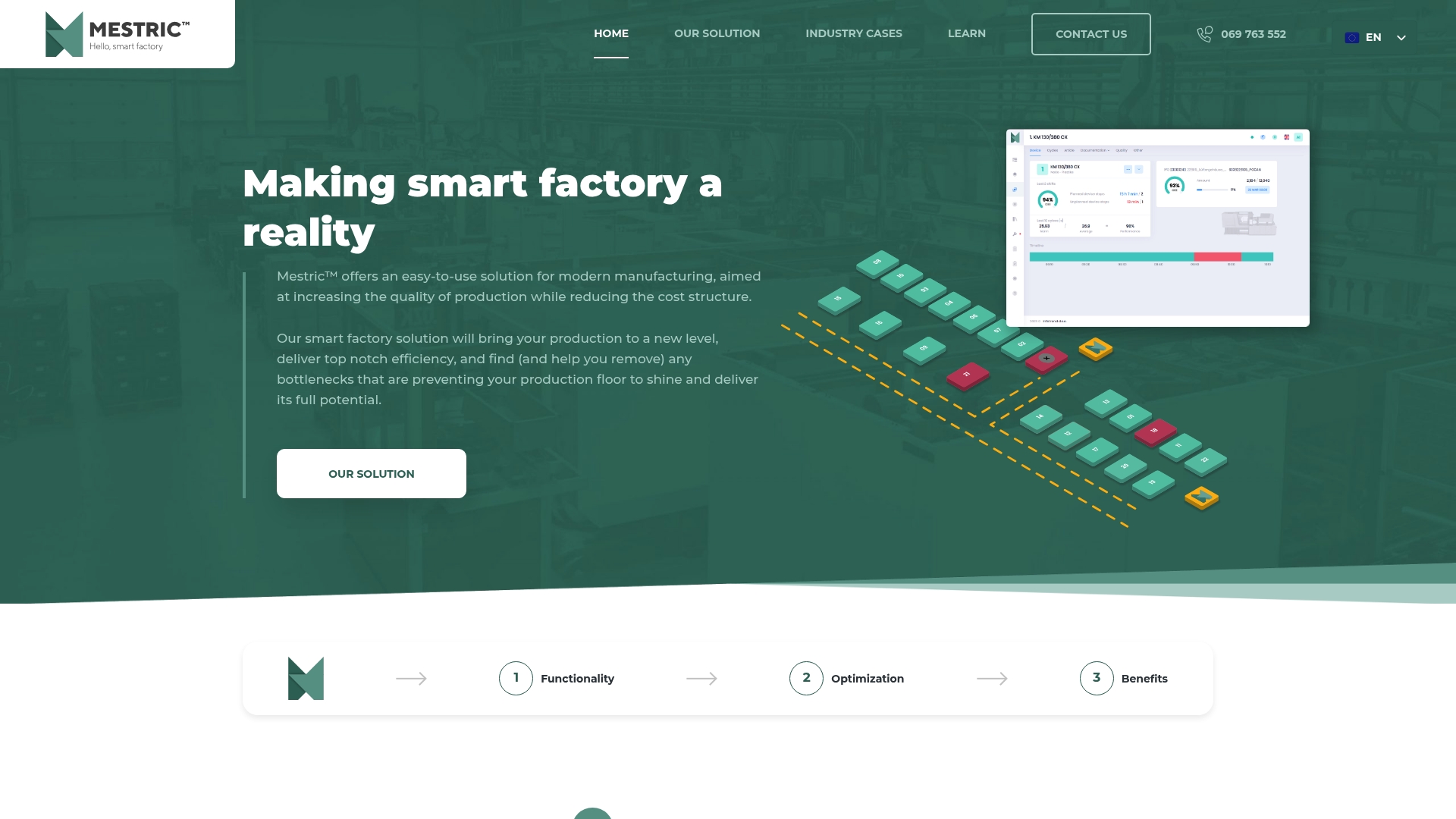
Trusted by U.S. manufacturing plants to reduce operational costs by 15-20% and improve efficiency across all production metrics, Mestric streamlines the path from data collection to actionable insights. You gain the visibility needed to make confident decisions that impact your bottom line. Explore our manufacturing software types to understand which solutions fit your optimization roadmap, or learn how to improve manufacturing efficiency with MES tools. Our proven approaches to quality assurance and defect reduction deliver measurable results you can track from day one.
Track Overall Equipment Effectiveness, first-pass yield, downtime by category, and cost per unit produced. These metrics reveal bottlenecks, quality issues, and cost drivers most effectively. Include energy consumption and material waste rates for comprehensive visibility.
AI analyzes equipment data patterns to detect where work-in-progress accumulates and cycle times extend beyond norms. Machine learning models predict which processes will become constraints under different demand scenarios. This proactive identification enables resolution before bottlenecks impact production.
Readiness assessment prevents investing in solutions your organization cannot effectively use. It identifies gaps in IT infrastructure, skills, and organizational structure that need addressing first. This reduces implementation risk and ensures technology investments deliver expected returns.
Most plants achieve 15-20% operational cost reductions within the first year. Savings come from reduced downtime, lower material waste, improved energy efficiency, and optimized labor allocation. Specific results depend on current efficiency levels and implementation scope.
Automation eliminates human error and inspection inconsistency, reducing defect rates by approximately 30%. Continuous monitoring detects quality drift immediately, preventing defect accumulation. Vision systems and sensors inspect 100% of products at production speed, catching issues manual inspection misses.


 069 763 552