

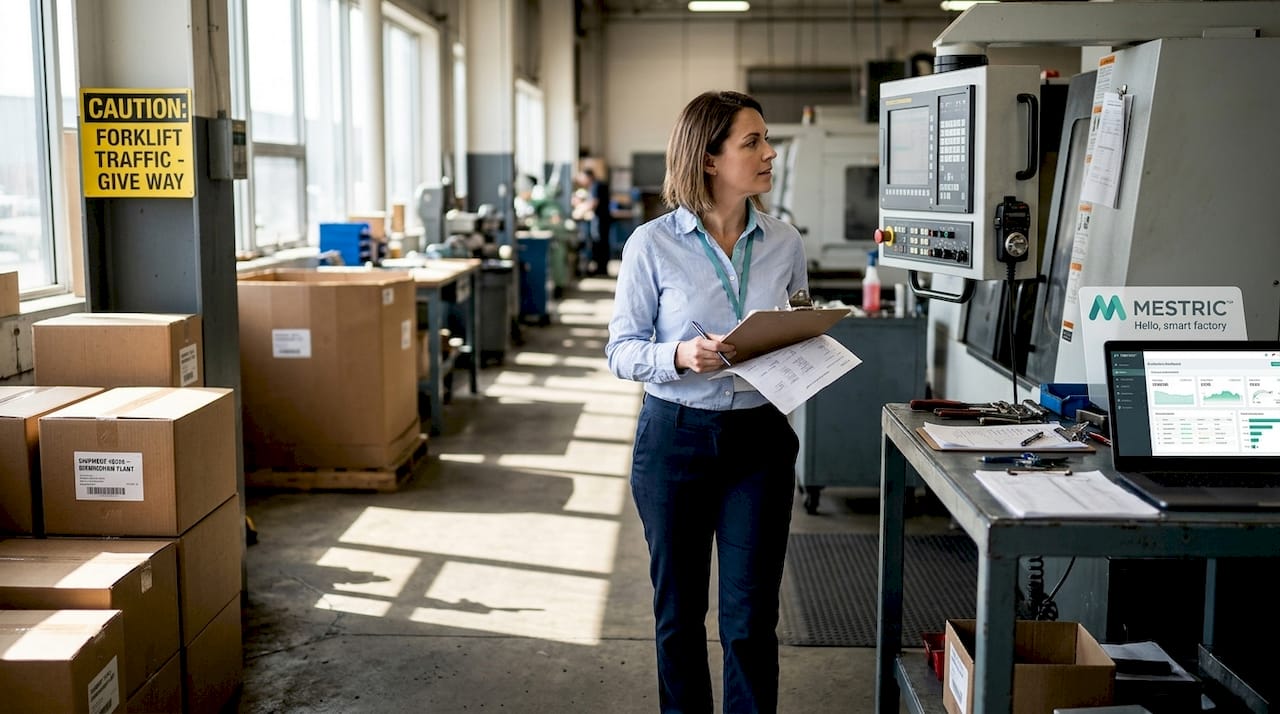
Rising material prices, labour shortages, and tighter margins force manufacturing decision-makers to find smarter ways to control costs without sacrificing quality. The good news: proven methodologies exist that deliver measurable savings whilst improving operational performance. This guide presents evidence-based strategies that reduce waste, streamline production, and optimise resource allocation. You will learn how to prepare your facility, implement lean and design techniques, leverage automation, and apply quality control methods that compound cost reductions across your entire operation.
| Pont | Részletek |
|---|---|
| Lean waste reduction | Applying lean principles helps identify bottlenecks and eliminate waste to shorten lead times and reduce costs. |
| DfM cost savings | Design for Manufacturability locks cost savings into early development by simplifying parts and production steps. |
| Automation and Industry 4.0 | Automation and Industry 4.0 technologies reduce cycle times and scrap while improving efficiency. |
| Six Sigma gains | Applying Six Sigma reduces defects and operational variation, boosting overall product quality. |
Before launching any cost-reduction programme, you need a clear picture of where waste lives in your current processes. Walk your production floor with a critical eye: identify bottlenecks, excess inventory, unnecessary motion, and rework loops. Map every step from raw material receipt to finished goods shipment. This baseline assessment reveals which improvement methods will deliver the fastest returns for your specific operation.
Cultural readiness matters as much as technical capability. Lean requires a cultural shift and employee buy-in to succeed, so involve frontline workers early in identifying problems and testing solutions. Establish regular improvement meetings where machine operators, quality technicians, and supervisors share observations without fear of blame. Kaizen principles thrive when everyone feels ownership of efficiency gains.
Supplier relationships determine whether just-in-time approaches will work or create chaos. Evaluate each vendor’s delivery reliability, quality consistency, and willingness to collaborate on cost reduction. Unreliable suppliers force you to carry safety stock that ties up working capital and warehouse space. Strong partnerships enable synchronised deliveries that slash inventory costs whilst maintaining production continuity.
Assess your facility’s technological infrastructure before committing to automation or data-driven tools. Do your machines have sensor ports for real-time monitoring? Can your network handle increased data traffic from IoT devices? Does your team possess the skills to interpret analytics dashboards? A manufacturing optimisation checklist helps you identify gaps between current capabilities and digital transformation requirements. Address foundational issues first to avoid expensive false starts.
Change management planning prevents implementation failures that waste resources and demoralise staff. Communicate why cost-saving initiatives matter, what benefits workers can expect, and how their roles will evolve. Provide hands-on training for new processes and technologies. Celebrate early wins publicly to build momentum. When people understand the vision and see tangible progress, resistance melts into enthusiasm.
Profi tipp: Start with a single production line or work cell as your pilot project. Prove the concept, refine your approach, then scale successful methods across the facility. This reduces risk whilst building internal expertise and credibility.
Value stream mapping exposes hidden waste that drains profitability without adding customer value. Gather cross-functional team members and chart every process step, decision point, and handoff from order receipt through delivery. Measure cycle times, wait times, defect rates, and inventory levels at each stage. Lean manufacturing principles eliminate waste by targeting the seven classic wastes: overproduction, waiting, transport, excess processing, inventory, motion, and defects. Your map highlights which activities to streamline, combine, or eliminate entirely.
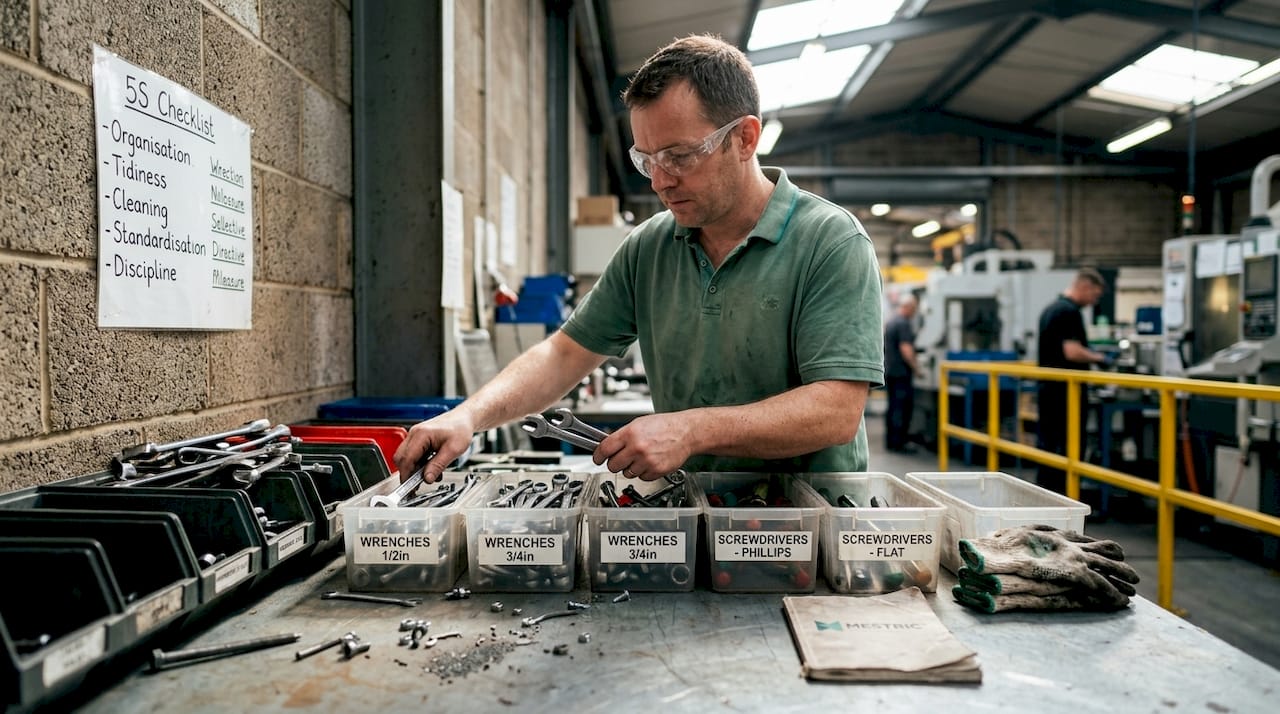
5S workplace organisation creates the foundation for sustained efficiency gains. Sort through tools, materials, and equipment to remove unnecessary items. Set orderly locations for everything that remains, using shadow boards and clearly labelled storage. Shine by cleaning work areas daily to spot leaks, wear, and safety hazards early. Standardise procedures so every shift follows identical practices. Sustain improvements through regular audits and continuous refinement. Clean, organised workspaces reduce search time, prevent errors, and boost morale.
Design for manufacturability locks in cost savings before production begins. DFM reduces costs 15-30% by simplifying product geometry, loosening non-critical tolerances, and selecting materials that balance performance with manufacturability. Challenge every tight tolerance: does this dimension truly need ±0.01mm precision, or would ±0.05mm work just as well? Each relaxed tolerance reduces machining time, tool wear, and scrap rates. Standardise fasteners, eliminate custom parts where possible, and design components for efficient assembly sequences.
Early supplier collaboration prevents costly redesigns after tooling investment. Share preliminary designs with fabrication partners and ask for manufacturability feedback. They will identify features that require expensive secondary operations, materials that cause tool breakage, or geometries that complicate fixturing. Incorporating their input before finalising drawings avoids change orders that derail schedules and budgets. This collaborative approach also strengthens relationships that pay dividends throughout the product lifecycle.
Track leading and lagging indicators to verify improvement impact. Measure lead time from order to delivery, inventory turns, first-pass yield, and cost per unit before implementing changes. Establish control charts to monitor performance weekly. After deploying lean and DFM methods, compare new metrics against baseline data. Quantified improvements justify continued investment and help prioritise the next round of initiatives. Share results with your team to maintain engagement and momentum. For additional proven techniques, explore cost reduction best practices that manufacturing leaders use to sustain competitive advantage.
Profi tipp: Involve design engineers in gemba walks where they observe actual production processes. This firsthand exposure reveals how design decisions affect manufacturing reality, fostering better DFM practices naturally.
Robotics and predictive maintenance eliminate the two largest drains on manufacturing efficiency: labour costs and unplanned downtime. Collaborative robots handle repetitive tasks like material handling, welding, and inspection with consistent precision, freeing skilled workers for complex problem-solving. Predictive maintenance uses vibration sensors, thermal imaging, and oil analysis to detect bearing wear, motor imbalance, and lubrication issues before catastrophic failure occurs. Automation achieves 38% cycle time reduction and 50% scrap reduction by removing human variability from critical operations whilst keeping equipment running at peak performance.
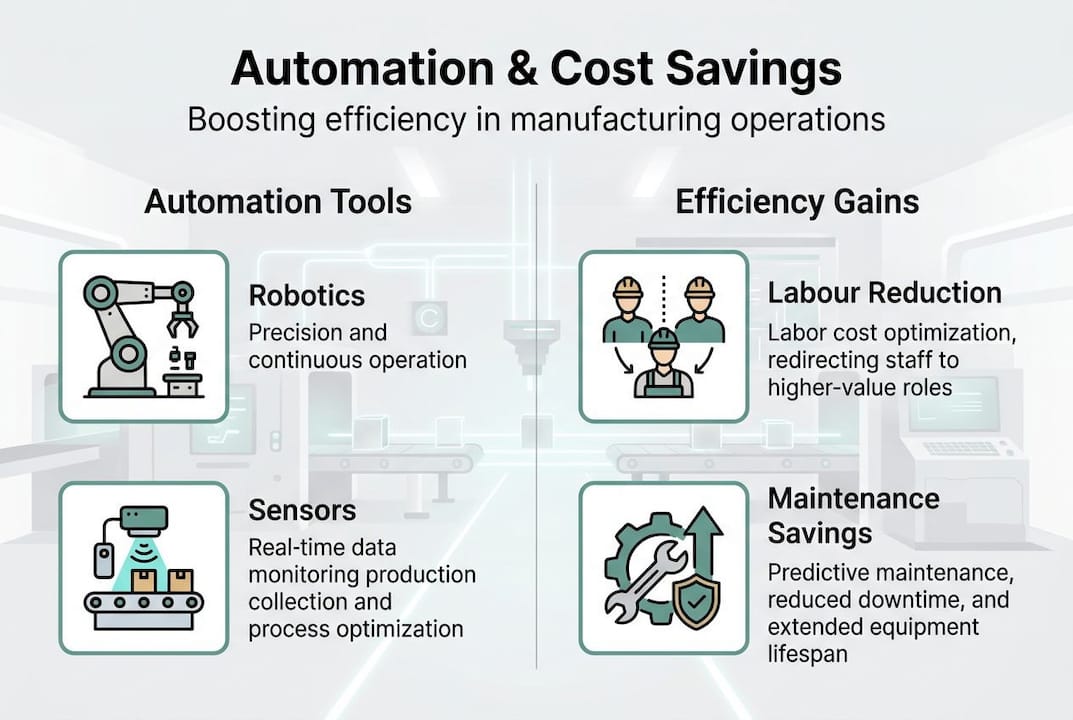
Internet of Things sensors, artificial intelligence, and digital twins transform manufacturing from reactive firefighting to proactive optimisation. IoT devices collect real-time data on machine performance, energy consumption, and environmental conditions. AI algorithms analyse patterns to recommend process adjustments that improve throughput and quality. Digital twins create virtual replicas of production lines where you can test changes without disrupting actual output. These technologies compound savings by continuously learning and adapting to changing conditions. Learn how IoT manufacturing boosts efficiency through connected systems that communicate and self-optimise.
Just-in-time procurement slashes inventory carrying costs by synchronising material deliveries with production schedules. Instead of warehousing months of raw materials, you receive shipments hours or days before use. This approach requires reliable suppliers and accurate demand forecasting, but the payoff is substantial. Supply chain optimisation cuts operating costs up to 20% by reducing storage space, handling labour, obsolescence risk, and working capital tied up in inventory. Supplier consolidation strengthens negotiating leverage whilst simplifying logistics management.
Nearshoring and reshoring strategies reduce lead times and transportation costs compared to distant offshore suppliers. Shorter supply chains mean faster response to demand changes, lower freight expenses, and reduced customs complexity. Evaluate total landed cost, not just piece price, when comparing domestic versus international sources. Factor in inventory carrying costs, expedite fees, quality issues, and intellectual property risks. Sometimes paying slightly more per unit locally delivers better overall economics.
| Supply Chain Approach | Inventory Investment | Lead Time | Transportation Cost | Flexibility |
|---|---|---|---|---|
| Traditional offshore | High (3-6 months stock) | 8-12 weeks | High (ocean freight) | Low |
| Optimised nearshore | Medium (4-8 weeks stock) | 2-4 weeks | Medium (truck/rail) | Medium |
| JIT local | Low (1-2 weeks stock) | 1-3 days | Low (local delivery) | High |
Prioritise pilot projects with clear return on investment calculations to secure leadership support for broader technology adoption. Start with a single production bottleneck or quality issue that causes measurable pain. Implement a focused solution, track results rigorously, and document savings. Success stories build internal credibility and make the business case for scaling automation and digitalisation across your operation. For expert guidance on integrating these technologies, consider business automation and AI integration services that accelerate implementation whilst reducing technical risk. You can also automate production tracking to gain real-time visibility without manual data entry.
The DMAIC framework provides a structured roadmap for eliminating defects that cause rework, scrap, and customer returns. Define the problem precisely: which product, process step, and defect type needs improvement? Measure current performance using statistical process control charts that reveal variation patterns. Analyse root causes through fishbone diagrams, 5 Whys questioning, and designed experiments. Improve the process by implementing solutions that address root causes, not symptoms. Control the gains through updated procedures, training, and ongoing monitoring. Six Sigma projects achieve up to 367% ROI and $44M savings by systematically reducing defects that erode profitability.
Geometric dimensioning and tolerancing brings clarity to design intent whilst preventing costly over-specification. Traditional plus-minus tolerancing often creates ambiguity about how parts should fit together, leading to rejection of perfectly functional components. GD&T uses symbols and datums to specify exactly which surfaces matter for assembly and function. This precision reduces inspection disputes, simplifies fixture design, and enables suppliers to focus quality efforts where they truly matter.
Tolerance analysis balances functional requirements against manufacturing capabilities to avoid expensive over-tightening. Every time you specify a tighter tolerance, you increase machining time, tool costs, and scrap risk. Tolerance analysis reduces scrap and inspection costs by calculating how individual part variations stack up in assemblies. This reveals which dimensions drive fit problems and which can safely relax. Statistical tolerance analysis accounts for real-world variation, enabling you to specify realistic tolerances that ensure assembly success without unnecessary precision.
Regular tracking of defect rates, scrap percentages, and customer returns creates accountability and highlights improvement opportunities. Post Pareto charts showing the most common defect types and their frequency. Update them weekly so everyone sees progress. When defect rates drop, celebrate the achievement and share what worked. When rates spike, investigate immediately and implement countermeasures. This visible performance management keeps quality front of mind and prevents backsliding into old habits.
Frontline team involvement makes Six Sigma initiatives succeed where top-down mandates fail. Machine operators and quality technicians know where problems hide and often have practical solutions that engineers overlook. Form cross-functional improvement teams that include production workers, maintenance technicians, and quality staff. Give them training in basic statistical tools and problem-solving methods. Empower them to test solutions and make process changes within defined boundaries. This grassroots engagement generates better solutions whilst building a continuous improvement culture. For comprehensive guidance on optimising your entire production system, review this step by step production optimisation guide that integrates quality control with efficiency methods.
Profi tipp: Create a visual defect gallery with photos of acceptable versus unacceptable parts. This eliminates subjective interpretation and ensures consistent quality decisions across shifts and inspectors.
Specialised software solutions integrate data from lean initiatives, Six Sigma projects, and automation systems into unified dashboards that reveal opportunities invisible in isolated spreadsheets. Manufacturing execution systems provide real-time visibility into production status, quality metrics, and equipment performance. These platforms connect directly to machines, automatically collecting cycle times, downtime reasons, and process parameters without manual data entry. The result: accurate information that supports faster, better decisions about where to focus improvement efforts.
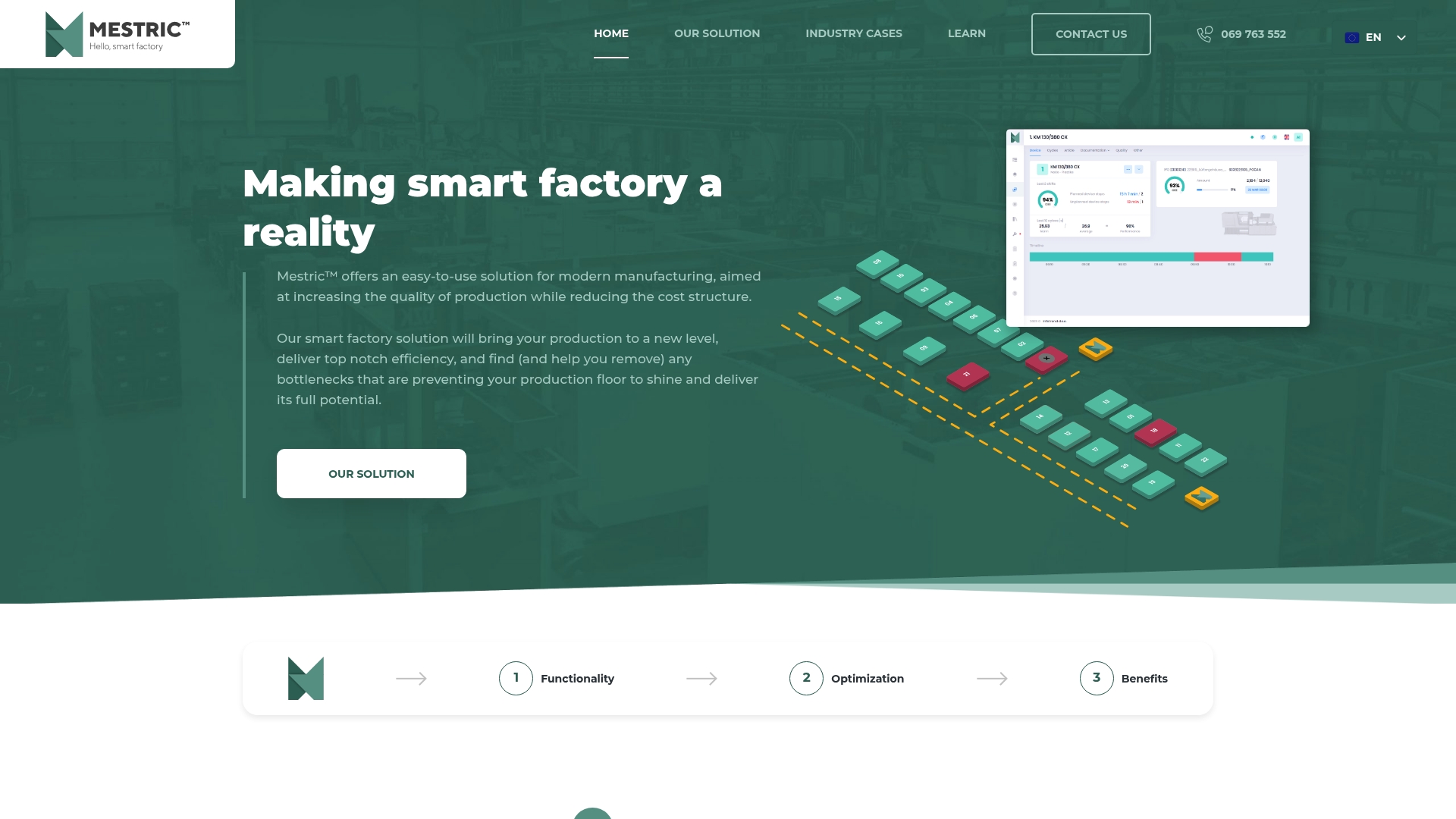
Digital tools enable predictive maintenance by analysing equipment health trends and alerting you to developing problems before breakdowns occur. Quality monitoring modules track defect patterns and trigger investigations when processes drift out of control. Production scheduling optimisers balance workload across machines to maximise throughput whilst minimising changeovers. Choosing software tailored to your plant size, complexity, and improvement priorities accelerates efficiency gains and sustains cost reductions over time. Discover how MES versus traditional manufacturing approaches boost efficiency through connected systems. Explore the types of manufacturing software available to support your specific needs. Learn practical ways to streamline production operations using modern digital tools that complement the cost-saving methods covered in this guide.
Lean identifies and removes non-value-added activities such as excess inventory, overproduction, and unnecessary motion that consume resources without benefiting customers. By streamlining operations through value stream mapping and 5S organisation, manufacturers lower material costs, reduce labour waste, and shorten lead times. These improvements directly impact the bottom line whilst improving delivery performance.
DFM simplifies product geometry, relaxes non-critical tolerances, and selects cost-efficient materials and processes during the design phase when up to 70% of total costs become locked in. Early collaboration with suppliers and manufacturing teams prevents expensive redesigns after tooling investment. This proactive approach delivers 15-30% cost reductions by making products easier and faster to produce.
Automation reduces manual labour requirements and eliminates human errors that cause scrap and rework. Predictive maintenance decreases unplanned downtime by detecting equipment issues before catastrophic failure occurs. Combined with IoT sensors and AI-driven process optimisation, these technologies enable continuous improvement that compounds savings over time through faster cycles, higher yields, and better resource utilisation.
Six Sigma uses data-driven DMAIC methods to reduce process variation and defects systematically, delivering average ROI exceeding 367% through lower scrap rates and improved product quality. Tolerance analysis ensures specifications balance functional requirements with manufacturing capabilities, preventing costly over-precision. Regular defect tracking and frontline team involvement sustain quality gains that protect profit margins and customer satisfaction.


 069 763 552