

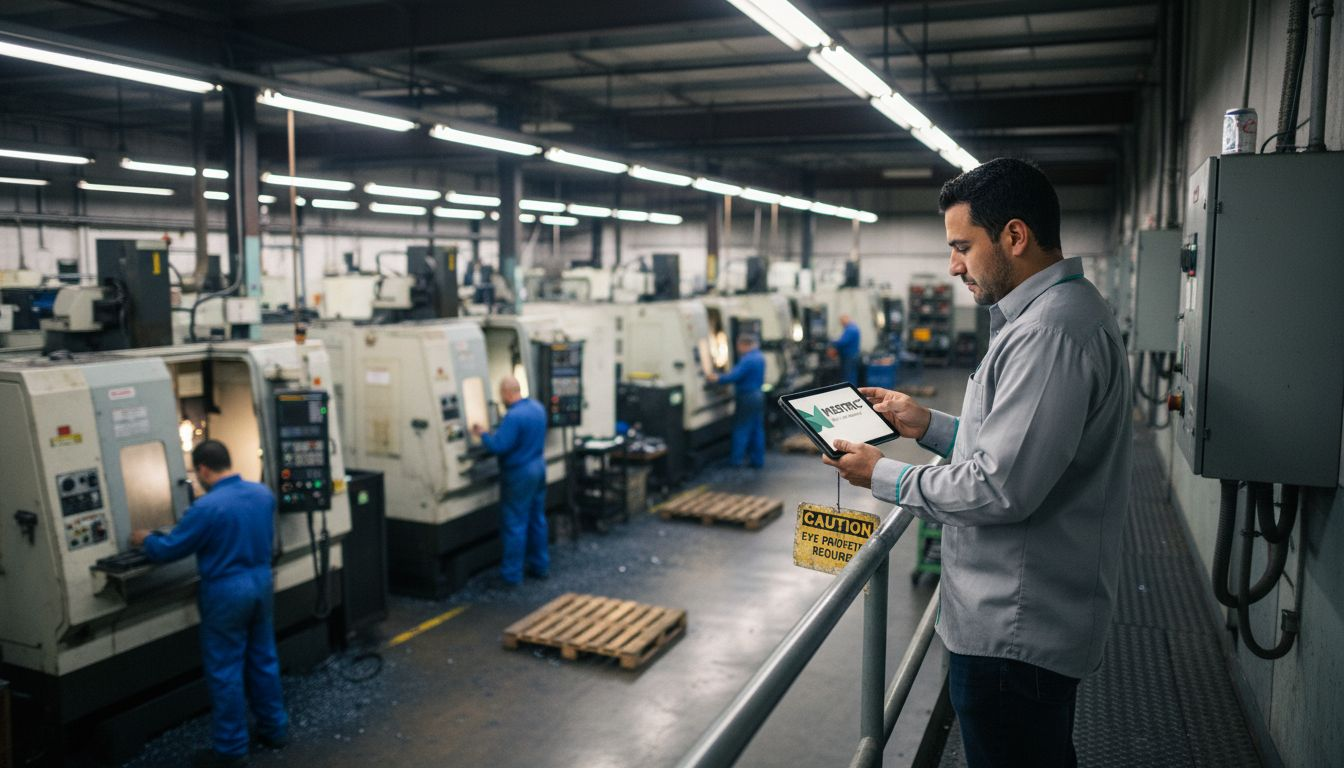
Many production managers in North American factories still think smart manufacturing is just about robots or automation. In reality, it’s a whole-system approach combining digital, physical, and sometimes biological technologies for measurable improvements. Understanding smart manufacturing’s integration of real-time analytics and human-machine collaboration matters because common misconceptions can derail your operational goals. This overview clears up the basics and helps you cut costs, improve efficiency, and shape sustainable processes built for your facility.
| Point | Details |
|---|---|
| Understanding Smart Manufacturing | It encompasses the integration of digital, physical, and biological systems, characterised by data-driven decisions and human-machine collaboration. |
| Common Misconceptions | Smart manufacturing is not merely automation; it requires integrating existing systems and does not necessitate complete equipment replacement. |
| Incremental Implementation | Adopting smart manufacturing can be done gradually, allowing small and medium-sized manufacturers to benefit without significant disruption. |
| Operational Benefits | The technology enables measurable improvements in quality, efficiency, and sustainability, offering a competitive edge in the market. |
Smart manufacturing is not what most production managers think it is. Many assume it’s simply about adding robots or automating tasks. The reality? It’s far more comprehensive and transformative.
Smart manufacturing integrates digital, physical, and often biological systems to create agile, responsive production environments. It represents a fusion of advanced technologies—artificial intelligence, Internet of Things (IoT), edge computing, robotics, and real-time data analytics—working together as a cohesive system.
The distinction matters because misconceptions can derail your digital transformation efforts. Let’s clarify what smart manufacturing actually encompasses:
This is perhaps the most widespread misunderstanding. Automation handles repetitive tasks; smart manufacturing goes deeper. Smart manufacturing systems leverage technology integration across production to improve accuracy, reliability, and efficiency whilst minimising costs through intelligent decision-making.
You could have fully automated equipment that produces poor-quality parts or operates inefficiently. Smart manufacturing prevents that by using real-time performance data to continuously refine processes.
Here’s how smart manufacturing differs from traditional automation in key dimensions:
| Dimension | Traditional Automation | Smart Manufacturing |
|---|---|---|
| Scope | Task-level efficiency | Whole-system optimisation |
| Data Use | Retrospective reporting | Real-time, predictive analytics |
| Human Role | Reduced operator tasks | Human-machine collaboration |
| Adaptability | Fixed process changes | Continuous self-optimisation |
| Sustainability Impact | Limited focus | Strong emphasis by design |
You don’t need to replace everything at once. Smart manufacturing integrates with existing equipment through IoT sensors and connectivity layers. Your current machinery can become part of a smarter ecosystem without a complete overhaul.
Many North American manufacturers successfully adopt smart manufacturing incrementally, connecting machines gradually whilst maintaining production schedules.
Small and medium-sized manufacturers gain significant advantages from smart manufacturing. Reduced time to market, enhanced resource efficiency, and lower operational costs apply equally across facility sizes.
The barrier isn’t scale—it’s understanding where to start.
Smart manufacturing combines human expertise with machine intelligence to deliver measurable improvements in quality, speed, and cost simultaneously.
Production managers see tangible benefits: fewer defects, shorter changeover times, predictable maintenance needs, and better resource utilisation. The integration happens through systems that collect, analyse, and act on production data continuously.
Pro tip: Start by identifying your biggest operational bottleneck—where you lose the most time, money, or quality—and focus your smart manufacturing implementation there first. This creates quick wins that justify further investment.
Smart manufacturing doesn’t rely on a single technology. Instead, it combines multiple intelligent systems working together to optimise your production environment. Understanding which technologies matter for your operation is crucial for a successful implementation.
The core foundation combines cyber-physical systems, digital twins, and artificial intelligence. These three elements allow your manufacturing floor to sense what’s happening, simulate outcomes, and automatically optimise processes in real time.
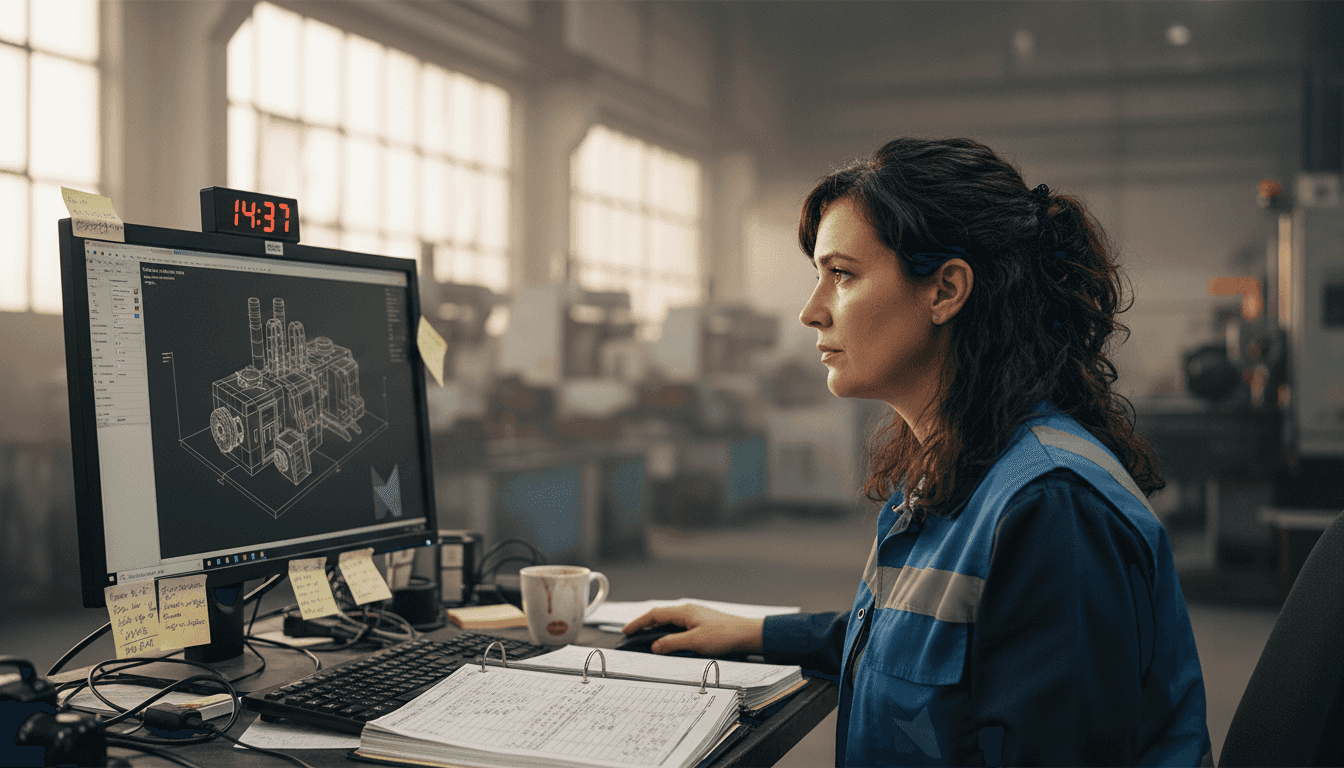
Your smart manufacturing system likely uses several of these technologies simultaneously:
Smart manufacturing systems adapt to different production scenarios. Smart Manufacturing Systems integrate cyber-physical systems with human-centric designs to improve safety and transparency across diverse manufacturing applications.
Your system might emphasise:
Not every technology suits every facility. Your production environment, product complexity, and current equipment determine which technologies deliver the most value.
A high-volume automotive supplier requires different smart manufacturing capabilities than a custom medical device manufacturer. The technologies you implement should address your specific operational challenges.
The most effective smart manufacturing systems combine only the technologies you actually need, implemented incrementally as your team gains experience with data-driven optimisation.
Your production managers and floor supervisors should understand how these technologies work together. They don’t operate independently; they form an interconnected system where data flows from sensors through analytics engines to drive real-time decisions.
Pro tip: Map your biggest operational problems first—whether that’s quality defects, unexpected downtime, or slow changeovers—then select technologies specifically designed to address those issues rather than implementing everything at once.
Smart manufacturing moves beyond theory when you see it working on your production floor. The functional capabilities translate directly into measurable operational improvements that impact your bottom line.
These systems don’t just collect data—they act on it. Real-time analytics identify inefficiencies, predict problems before they cause downtime, and optimise processes continuously without manual intervention.
Your smart manufacturing system performs several critical functions simultaneously:
These capabilities deliver measurable outcomes in actual manufacturing environments. Consider what precision manufacturers have achieved:
These aren’t theoretical numbers—they represent actual implementations in North American and international precision manufacturing facilities.
The practical workflow begins with connectivity. Your equipment connects through IoT sensors that continuously transmit performance data. Analytics engines process this information, identifying patterns and anomalies your team would miss manually.
The system then takes action. It can automatically adjust machine parameters, alert operators to quality issues, or schedule preventive maintenance before equipment fails. Your production managers see everything through real-time dashboards showing key performance indicators, downtime reasons, and quality metrics.
Smart manufacturing capabilities compound over time—initial improvements in machine utilisation lead to better data quality, which enables more sophisticated predictive capabilities, which drives further cost reduction.
Your workforce benefits too. Operators receive alerts about upcoming maintenance needs rather than discovering failures during production runs. Engineers spend less time firefighting unexpected breakdowns and more time optimising processes strategically.
Pro tip: Start by measuring your baseline performance across three to five key metrics—machine utilisation, downtime hours, defect rates, changeover time—then implement smart manufacturing capabilities incrementally whilst tracking improvements against these benchmarks.
Implementing smart manufacturing isn’t simply a technology purchase. It requires rethinking how your systems, people, and processes work together. Understanding the real challenges upfront helps you plan strategically and avoid costly missteps.
The biggest hurdle isn’t the technology itself—it’s integration. Your existing equipment, enterprise resource planning systems, and data platforms need to communicate seamlessly. When they don’t, you end up with disconnected information that defeats the purpose of smart manufacturing.
Your manufacturing environment likely uses multiple systems that were never designed to work together. Legacy equipment, separate quality management systems, and isolated data warehouses create integration barriers.
Successful integration requires:
ERP and MES systems working together create unified visibility across production and business operations, allowing your production managers to make decisions based on complete operational context rather than fragmented information.
Beyond integration, you’ll encounter obstacles that extend across technology, people, and organisational factors. Smart manufacturing adoption faces significant barriers including high capital investment, workforce skill gaps, cybersecurity threats, and data interoperability challenges that particularly affect small- and medium-sized manufacturers.
The primary challenges include:
Successful manufacturers don’t solve everything simultaneously. They use a phased approach that builds capability incrementally.
Start with a pilot programme targeting a specific production area or process. This demonstrates value, builds team expertise, and creates momentum for broader rollout. Your early successes become proof points that justify continued investment.
Implementation challenges multiply when tackled all at once, but diminish significantly when addressed sequentially through pilot testing and gradual capability expansion.
Build a cross-functional team including production managers, maintenance technicians, IT specialists, and operators. Their combined perspective identifies practical obstacles you might miss otherwise. Budget for training—your team’s ability to use smart manufacturing systems effectively determines whether you achieve the promised benefits.
Pro tip: Select your pilot project carefully—choose an area with clear operational problems, motivated staff, and realistic timelines rather than attempting to fix your most chaotic process first, which typically leads to disappointment and resistance.
Smart manufacturing requires significant investment, and like any major business decision, it carries real risks. Before committing resources, you need to understand what could go wrong and whether the financial case truly justifies the expense.
The conversation often focuses on benefits, but production managers need honest assessment of the downsides too. Your decision becomes stronger when you’ve considered both the rewards and the genuine threats.
The upfront costs are substantial. You’re investing in sensors, connectivity infrastructure, analytics platforms, system integration, training, and consulting expertise. For most North American manufacturers, this translates to hundreds of thousands of pounds, even for mid-sized operations.
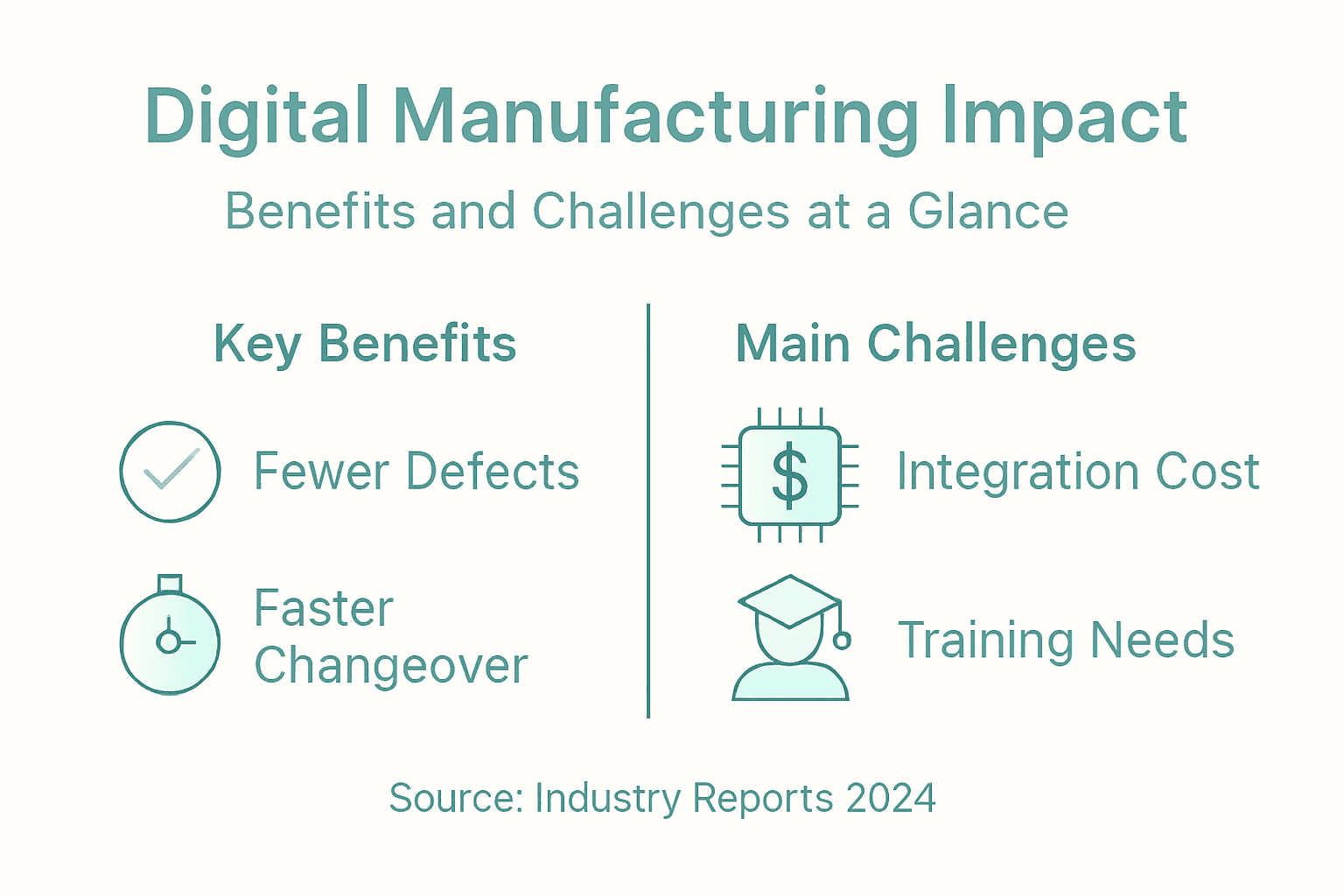
The payback timeline matters. Smart manufacturing reduces defect rates by approximately 50% and improves productivity by 15-20%, but these gains accumulate over time. You typically see initial returns within 18-24 months, with benefits compounding thereafter.
However, delays in implementation, workforce training challenges, or integration difficulties can extend timelines and inflate costs significantly.
Beyond finances, smart manufacturing introduces operational and organisational risks:
Below is a practical summary of common risks versus potential rewards of smart manufacturing adoption:
| Category | Risk/Challenge | Potential Reward |
|---|---|---|
| Financial | High upfront costs | Long-term cost reduction |
| Security | Cyberattack exposure | Enhanced operational resilience |
| Workforce | Skills gap and resistance | Upskilled, more engaged staff |
| Technology | System obsolescence | Future-ready capabilities |
| Operations | Integration complexity | End-to-end process visibility |
Smart manufacturing isn’t the only path forward. You could pursue conventional manufacturing with incremental automation—upgrading equipment gradually without comprehensive data integration.
This approach costs less initially. You avoid major disruption and cybersecurity exposure. But you sacrifice agility, sustainability improvements, and the competitive advantages smart manufacturing provides.
Conventional manufacturing and partial automation lack the scalability, flexibility, and sustainability benefits that smart manufacturing technologies deliver. You get better equipment but miss the intelligence layer that optimises everything.
Alternatively, you could maintain your current state. This minimises disruption risk but leaves you increasingly vulnerable as competitors adopt smarter manufacturing practices.
The strategic question isn’t whether smart manufacturing is perfect—it isn’t. The question is whether remaining competitive in your market requires it. If your competitors adopt smart manufacturing and you don’t, you’ll eventually lose on cost, quality, and speed.
Smart manufacturing’s financial justification depends less on individual features and more on your competitive environment and long-term market positioning.
Calculate realistic costs, project conservative benefits, and extend your payback timeline to account for implementation challenges. If the numbers still work, the investment makes sense despite the risks.
Pro tip: Build a detailed cost-benefit analysis comparing smart manufacturing investment against your worst-case scenario of doing nothing whilst competitors modernise—this comparison often clarifies the strategic imperative regardless of financial payback timelines.
Struggling to integrate real-time performance monitoring, predictive maintenance, and process optimisation into your facility? This article highlights how smart manufacturing demands agile systems that connect data from equipment directly to decision-makers. If your goal is to reduce downtime, enhance quality, and accelerate digital transformation without costly system replacements, understanding these challenges is the first step.
Mestric™ offers an intuitive Manufacturing Execution System designed specifically to tackle these pain points. By providing instant access to KPIs such as machine utilisation, quality metrics, and cost analysis, it empowers production managers to capture valuable insights and drive continuous improvement. Explore related insights and best practices in our Learn - Mestric section to deepen your understanding.
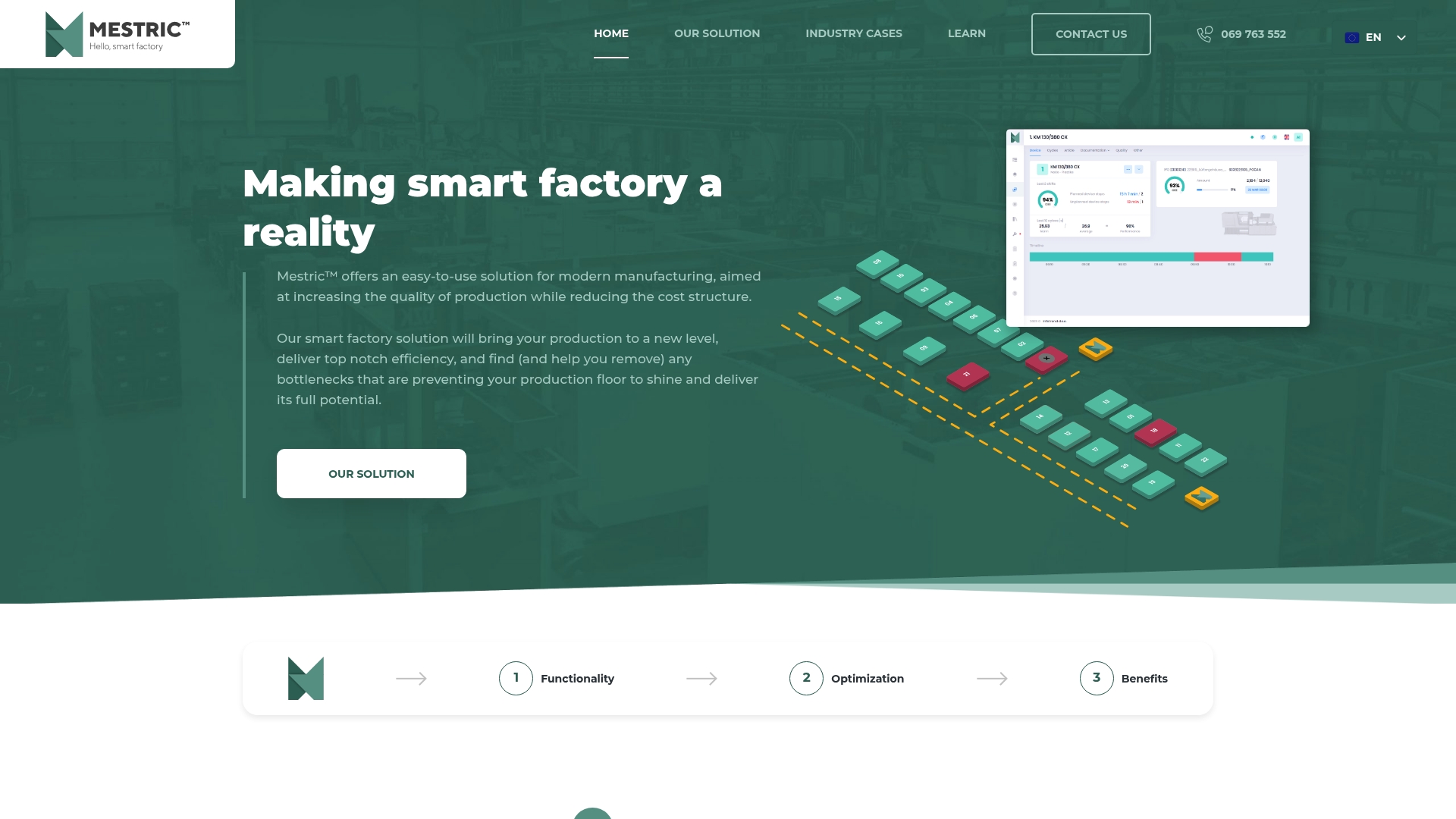
Take control of your manufacturing journey now. Visit https://mestric.com to discover how Mestric™ connects your machinery seamlessly and deploys AI-powered optimisation tools that create immediate impact. Ready to see smart manufacturing in action Within your own operations Schedule a demonstration and start transforming your production floor today.
Smart manufacturing refers to the integration of digital, physical, and biological systems to create agile production environments using technologies like artificial intelligence, IoT, and real-time data analytics.
Unlike traditional automation that focuses on task-level efficiency, smart manufacturing optimises the whole production system by using real-time, predictive analytics and integrating human-machine collaboration.
Absolutely. Smart manufacturing offers significant advantages to small and medium-sized manufacturers, including reduced time to market, enhanced resource efficiency, and lower operational costs.
Key technologies include artificial intelligence, IoT sensors, digital twins, edge computing, and advanced analytics, all working together to enhance productivity and quality in manufacturing processes.


 069 763 552