


Start MES adoption with a focused pilot, a clear owner, and measurable gates, not a big-bang rollout. Uvajanje MES works best when it moves through readiness checks, a bottleneck-line pilot, and structured hyper-care rather than a single plant-wide cutover. An onsite demo is often offered to verify machine integration before committing to a full rollout. Your first step is to run a short readiness check this week.
TL;DR:
- Successful MES adoption begins with a short readiness check, focusing on data ownership, network stability, and pilot line selection, preferably involving cross-functional teams.
- The entire implementation process should be phased over 9 to 12 months, with each stage gated by specific deliverables, such as workflow validation and interface testing.
- Connecting MES to shop-floor equipment via standards like OPC-UA and MQTT avoids integration issues, but legacy PLCs may require additional gateway hardware.
- Operator training must be role-specific, with early certification of super-users and dedicated on-floor support during initial go-live weeks to ensure system adoption.
- Tracking key performance indicators like OEE, cycle-time accuracy, and data-capture completeness against predefined thresholds is crucial to validate that MES implementation has succeeded.
Before you shortlist a single manufacturing execution system, gather the people who will live with the decision. Uvajanje MES fails more often from missing ownership than from weak software, and the fix starts with the team you assemble, not the vendor you pick.
Bring together operations supervisors, shift leads, IT/OT engineers, quality staff, and someone from finance who understands cost-of-quality reporting. Cross-functional teams that include plant supervisors and operators from day one consistently produce better adoption outcomes than IT-led selection run in isolation.
Before moving to vendor selection, confirm these are in place:
Three red flags should pause selection outright: nobody owns the master data, routings differ line-by-line with no single source of truth, or the OT network drops connections during peak shifts. A systematic review of MES implementation groups these failure points into technical, organisational, human, contextual, and financial domains, which is a useful lens for scoring your own readiness gaps before you spend a penny.
Strokovni nasvet: Run your readiness check as a half-day workshop with the pilot line’s shift leads in the room. Gaps surface faster from people who scan barcodes for a living than from a slide deck.
A realistic single-site deployment for core MES modules runs 9 to 12 months, and trying to compress that timeline is usually where budgets get hurt. Modern MES deployment works best broken into problems you can solve in manageable chunks, with each phase gated by a clear deliverable rather than a calendar date.
Choose the pilot line deliberately. Pick your known bottleneck, run it in parallel with the existing manual process for two to four weeks, and refuse to scale until cycle-time and quality metrics match what the floor already trusts. Pilot scope built on real operators and real data validates adoption risk before it becomes an expensive plant-wide problem.
Get the boundaries wrong here and every KPI the system reports afterwards becomes suspect. ERP owns planning, cost, and order management. MES owns execution: what happened on the line, when, and at what quality. PLC and SCADA own the machine-level signals underneath both. ISA-95 formalises exactly this layering, and MES implementation strategies that blur it tend to produce systems nobody trusts.
For interfaces, prefer standards built for deterministic, repeatable data exchange:
Legacy PLCs often lack native support for any of these, so budget time for gateway hardware or protocol conversion rather than assuming a clean connection.
Run master-data clean-up in parallel with the technical build, not after it. Composable, modular MES architecture reduces the long-term technical debt that comes from bolting custom code onto inconsistent item codes and routings. Inconsistent SKUs across ERP and shop-floor systems are one of the most common reasons real-time dashboards show numbers operators do not believe.
Software that nobody wants to touch on the floor is not an MES implementation, it is an expensive dashboard. Workflow design mismatch and weak ownership ranks among the top reasons MES projects underdeliver, and both are training and change-management problems, not software bugs.
Build training around roles, not generic modules. A shift lead needs different screens and different urgency than a machine operator logging a scrap reason.
Operator transaction friction and unclear exception handling are early warning signs worth watching closely; these two symptoms tend to show up in the first week if the workflow design missed how the floor actually works.
Strokovni nasvet: Time how long it takes an experienced operator to log a full cycle in the new system versus their old paper or spreadsheet method. If the new process takes noticeably longer, fix the workflow before you scale it.
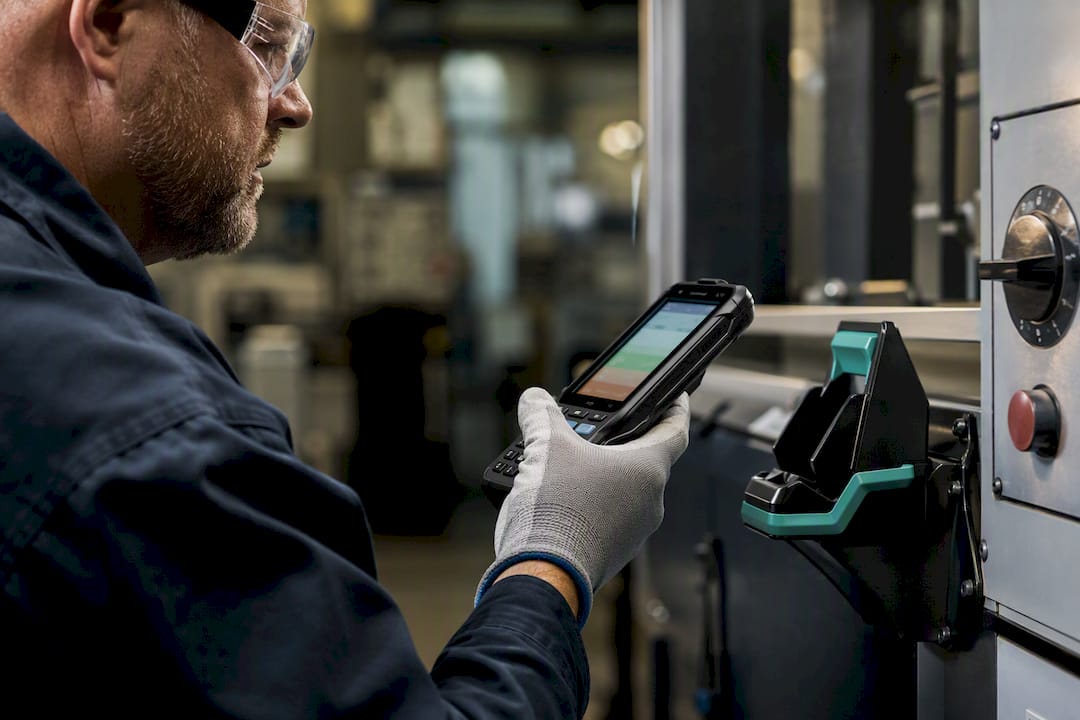
Baseline your numbers before go-live, or you will have nothing credible to compare against once the system is live. Track overall equipment effectiveness (OEE), scrap rate, downtime events by category, cycle-time accuracy against manual checks, and the completeness of automated data capture.
Set explicit acceptance thresholds before the pilot starts, not after you see the results:
Once those thresholds are met and you move into hyper-care, run a short daily discipline:
Investing in hyper-care and floor-based champions closes the gap between a system that is configured correctly and one that survives real production pressure.
Over-customisation kills more MES projects than bad software does. Every custom screen you add is a screen you have to upgrade forever, so favour modular architecture over bespoke builds. Appoint an internal product owner from day one; the vendor should enable your process, never own it. Run an onsite demo, such as Mestric™ offers, to watch real operators try the workflow before you sign anything.
**
Mestric™ is built for exactly the phased approach this guide describes, not a disruptive rip-and-replace. During the pilot phase, Mestric™ connects directly to your line equipment and gives shift supervisors real-time KPIs on downtime, quality, and cost, supported by temperature monitoring solutions for cold chain management, so parity checks against manual tracking happen automatically rather than through spreadsheets. Its AI-powered optimisation tools help flag bottlenecks during hyper-care, when every extra minute of stand-up triage matters.
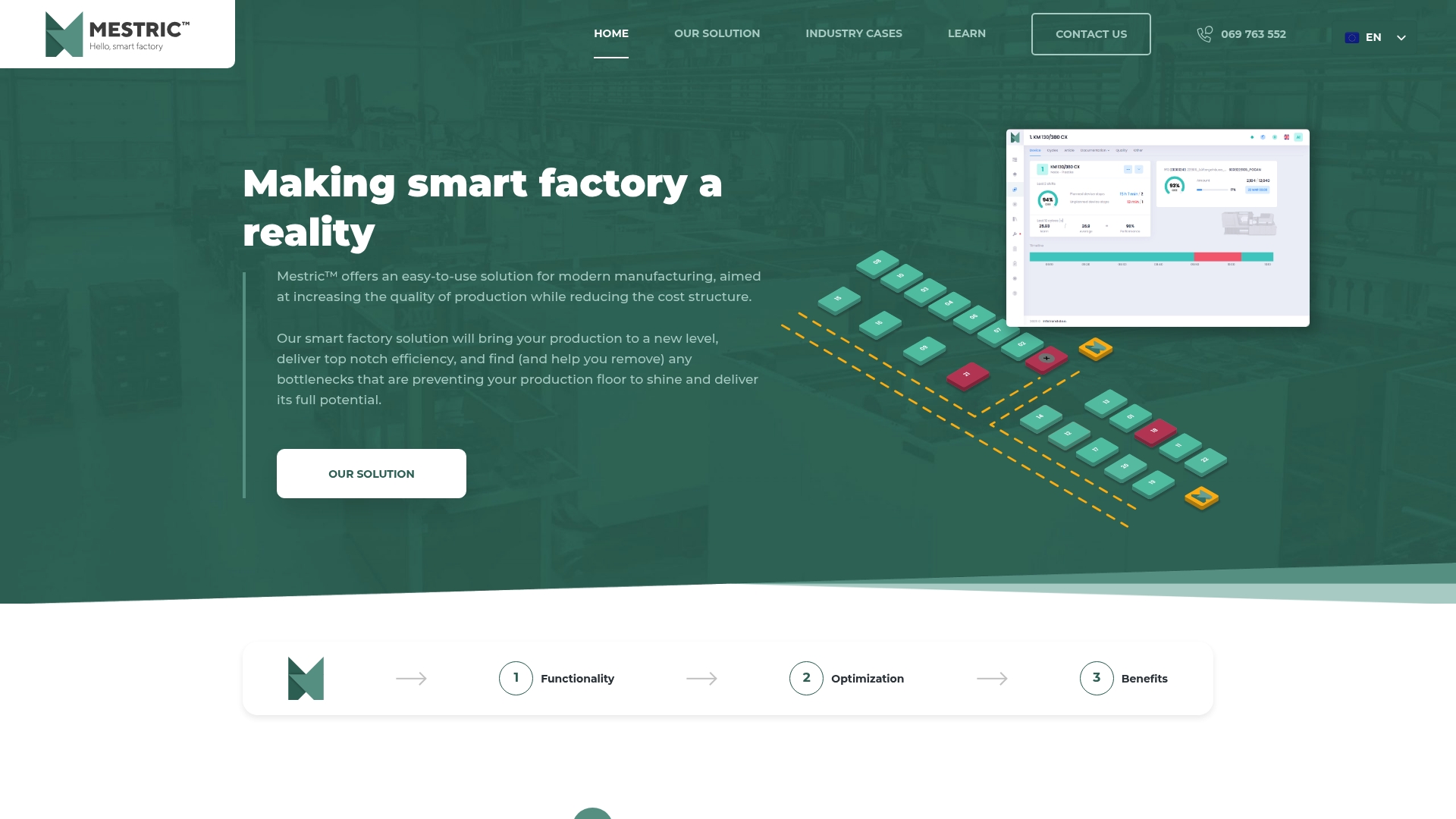
If your readiness check surfaced gaps in master data or shop-floor visibility, an onsite demo is the fastest way to see how MES compares with the manual processes you are running today, on your own equipment rather than a generic slide deck. Request a readiness assessment, map your bottleneck line as a candidate pilot, and book a demo to walk through the actual screens your operators would use.
Run a cross-functional readiness check covering master-data quality, network resilience, and pilot-line selection before you contact any vendor.
A single-site rollout of core modules realistically takes 9 to 12 months from strategy through hyper-care, with larger or regulated sites often taking longer.
MES should connect to PLC/SCADA layers for real-time execution data and to the ERP for planning and order data, keeping the ISA-95 boundaries between the three layers intact.
Yes, Mestric™ offers an onsite demo so operations teams can validate real machine integration and operator workflows before committing to a plant-wide rollout.


 069 763 552