

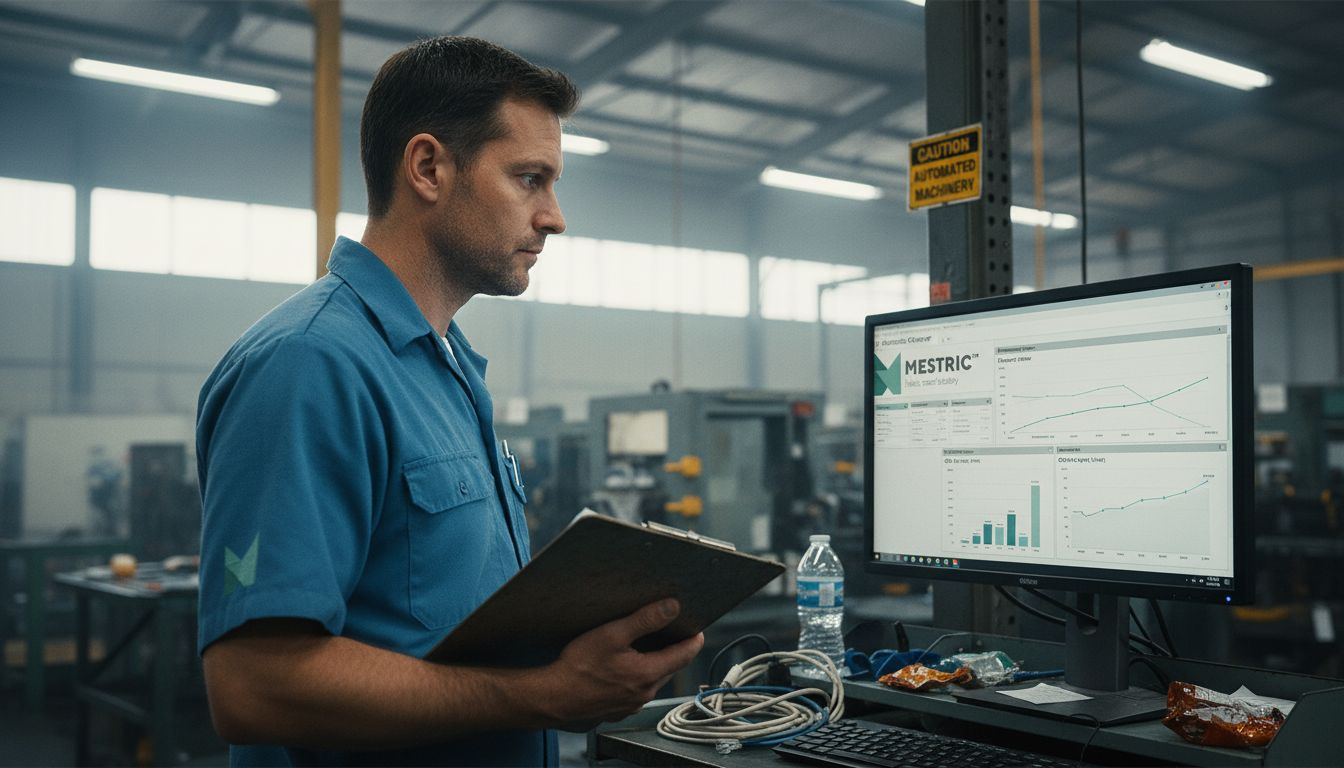
Facing daily bottlenecks and inefficiencies can feel relentless for production managers striving to meet demanding targets. Optimising production processes is not just a buzzword—it is a coordinated effort to enhance every element of your manufacturing operation, from machinery and materials to human capital. By embracing data-driven decision-making and Industry 4.0 technologies, you unlock greater productivity, reliability, and resource efficiency, positioning your facility for real results and sustainable growth.
| Point | Details |
|---|---|
| Optimisation is Systematic | Improving production processes involves deliberate changes across machinery, workflows, and staffing to enhance overall performance. |
| Data-Driven Decisions Matter | Successful optimisation relies on real-time data to identify issues, ensuring changes create positive impacts rather than new problems. |
| Focus on Key Drivers | Addressing cost, quality, speed, and flexibility can deliver competitive advantages and drive profitability. |
| MES is Essential | Implementing a Manufacturing Execution System enhances visibility and operational efficiency, allowing for proactive issue resolution and improved productivity. |
Optimising production processes means systematically improving how your manufacturing facility operates—from raw materials through finished goods. It’s about making deliberate changes to machinery, workflows, staffing, and systems to achieve specific performance targets.
At its core, optimising production processes involves enhancing socio-technical systems that integrate machinery, tooling, materials, energy, and human capital. You’re not just tweaking one element; you’re coordinating all moving parts to work together more effectively.
When you optimise, you’re addressing several key areas simultaneously:
Optimisation isn’t random tinkering. It requires structured approaches like process mapping and continuous improvement methodologies to identify where problems exist and measure whether your changes actually work.
Many manufacturers tackle one issue at a time. Optimisation means viewing your entire operation as an interconnected system. A change in one area ripples through others—sometimes helpfully, sometimes creating new bottlenecks.
Optimisation delivers tangible results. You reduce waste, cut defects, lower energy consumption, and improve product consistency. These aren’t abstract benefits; they directly affect your profitability and competitive position.
Real optimisation requires data-driven decisions, not guesswork. You need to measure what’s actually happening before, during, and after changes.
Without visibility into your current performance—cycle times, downtime reasons, quality metrics, cost per unit—you’re operating blind. You might make changes that feel productive but actually create new problems elsewhere.
Pro tip: Start by mapping your current state honestly. Document where time, materials, and energy disappear before attempting any changes. This baseline becomes your reference point for measuring improvement.
Manufacturers don’t optimise just for the sake of it. Real business pressures drive the need to improve. Understanding what motivates these changes helps you recognise which drivers are most relevant to your operation.
The primary motivations centre on four critical areas: cost reduction, quality improvement, speed to market, and operational flexibility. Each of these translates directly to competitive advantage and profitability.
Reducing operational expenses remains the most immediate driver. Automation and robotics significantly reduce errors and increase productivity, lowering labour costs whilst improving output consistency. Energy consumption, material waste, and rework expenses all represent money leaving your facility unnecessarily.
When you eliminate inefficiencies—unnecessary machine idle time, manual inspection bottlenecks, or redundant handling steps—you free up capital that flows directly to your bottom line.
Your customers expect zero defects. Market expectations have shifted; quality isn’t a competitive advantage anymore—it’s a baseline requirement.
Optimisation addresses this by:
Process optimisation driven by Industry 4.0 technologies enables real-time data collection and analysis, allowing manufacturers to adapt quickly to changing demand. Shortened delivery times attract customers. Flexible systems let you switch between product variants without lengthy changeovers.
Markets move faster than they used to. Standing still means falling behind competitors who can pivot quickly.
Regulatory pressure and customer expectations around environmental impact continue rising. Optimised processes consume less energy, generate less waste, and use materials more efficiently.
Optimisation isn’t just about making more with less—it’s about surviving in competitive markets where margins compress continuously.
This driver matters more annually as regulations tighten and customers scrutinise supply chain sustainability.
Pro tip: Audit which driver creates the most pain in your operation right now. If quality escapes are costing you, prioritise that. If margins are shrinking, attack waste. Targeting the biggest pressure point delivers faster payback.
The following table presents a comparison of typical drivers behind process optimisation and the resulting competitive advantages:
| Driver | Focus Area | Competitive Advantage | Typical Payback |
|---|---|---|---|
| Költségcsökkentés | Expense elimination | Higher profit margins | Rapid capital return |
| Quality improvement | Defect prevention | Enhanced market reputation | Fewer returns and complaints |
| Speed to market | Delivery acceleration | Increased sales opportunities | Capturing urgent demand |
| Flexibility | Production adaptability | Ability to respond to new trends | Quick product changeovers |
A Manufacturing Execution System sits at the heart of modern production. It’s the software layer that connects your shop floor equipment to your business systems, turning raw production data into actionable intelligence.
Without an MES, you’re managing production blindly. With one, you gain complete visibility into what’s happening in real-time—and the power to act on that information immediately.
MES provide real-time visibility into the production lifecycle, allowing you to track machines, materials, and labour across every stage. You see what’s running, what’s stopped, and why it stopped—not hours later when production reports are compiled, but instantly.
This visibility enables faster problem-solving. When a machine fails, you know within seconds, not when a supervisor notices the output has stopped.
MES enhance operational efficiency through real-time data analytics that identifies bottlenecks, quality issues, and inefficiencies. You see cycle times, downtime patterns, and cost drivers with precision that manual tracking cannot provide.
Data-driven decisions replace guesswork. Instead of thinking a process might be slow, you know exactly how slow it is and why.
MES enforce quality standards automatically by:
Breakdowns cost money. MES systems use historical data to predict when equipment will fail, allowing maintenance before breakdown occurs. Machine occupancy data reveals deteriorating performance patterns long before failure.
An MES transforms manufacturing from reactive firefighting to proactive optimisation. You stop problems before they stop production.
This shift alone can reduce unplanned downtime by 30 to 40 percent.
MES connect your production floor directly to enterprise systems like ERP. Information flows both ways—production sends actual performance data upward, whilst business systems send scheduling and demand planning downward.
This integration eliminates information silos where shop floor and office operate with different data.
To clarify how Manufacturing Execution Systems (MES) impact different areas of manufacturing, here’s a summary table linking MES features to key business outcomes:
| MES Feature | Operational Benefit | Financial Impact | Example Result |
|---|---|---|---|
| Real-time monitoring | Faster issue detection | Reduced downtime costs | 30% less downtime |
| Automated quality control | Immediate defect prevention | Lower rework and scrap costs | Improved customer trust |
| Predictive maintenance | Scheduled servicing | Lower repair expenses | Fewer breakdowns |
| Process integration | Streamlined workflows | Increased production throughput | More output per shift |
| Data analytics | Targeted process improvement | Waste and energy cost savings | Higher margins |
Pro tip: Start by connecting your highest-impact equipment first. Measure the baseline performance before implementing MES, then track improvements methodically. You’ll build internal support by proving value with real numbers.
Implementing an MES isn’t an expense—it’s an investment that pays back quickly. The operational improvements translate directly into measurable financial gains that appear in your profit margins and cash flow.
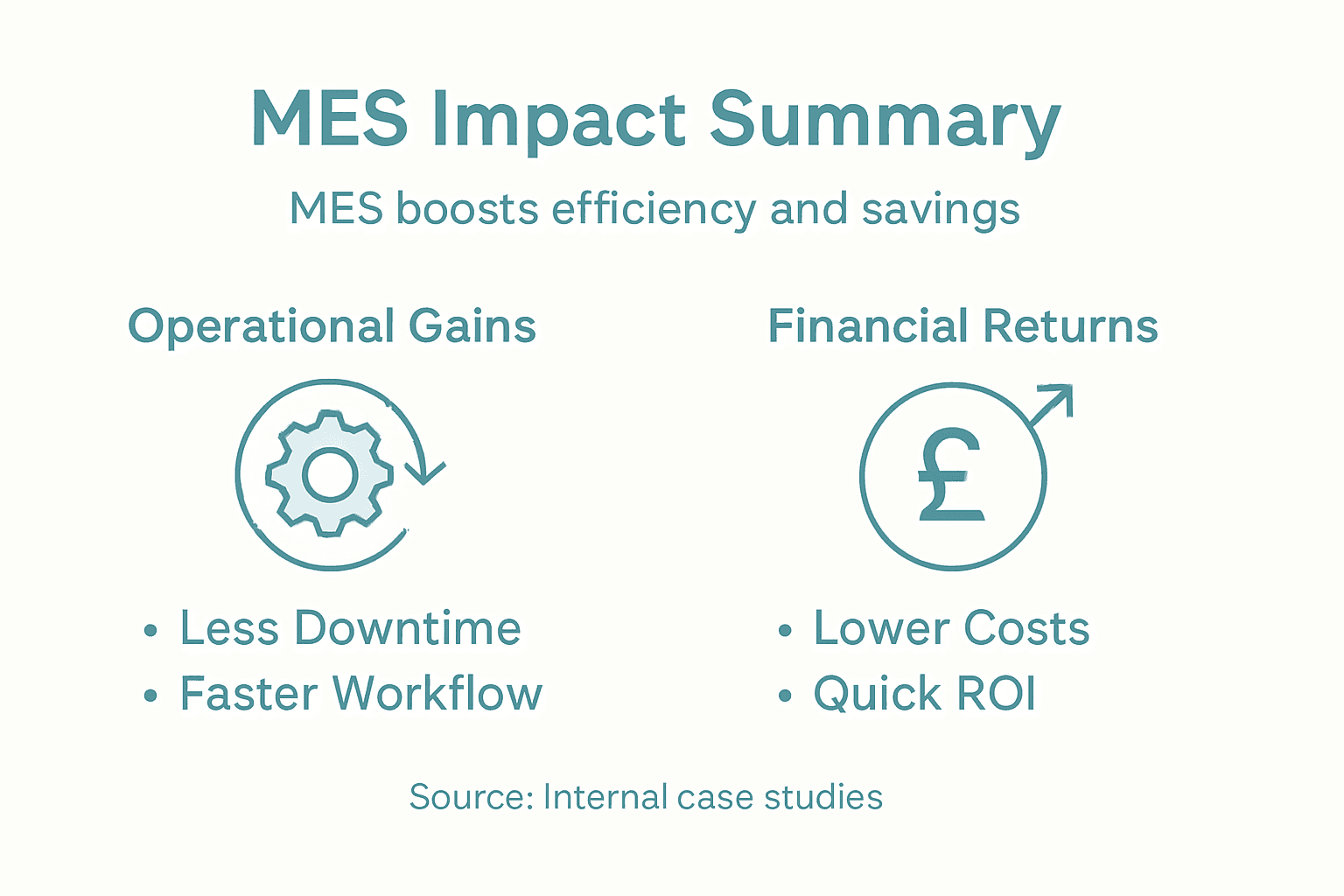
These benefits compound over time. Early improvements fund further optimisation, creating a cycle of continuous enhancement.
MES implementation significantly boosts productivity by reducing lead times and increasing flexibility. When you eliminate production bottlenecks and reduce downtime, the same equipment produces more output without additional capital investment.
You squeeze more capacity from existing machinery. That’s profitable growth without major equipment spending.
Unplanned downtime is one of your largest hidden costs. Minutes of machine stoppage become hours of lost production. MES reduce downtime significantly by enabling predictive maintenance, faster troubleshooting, and optimised scheduling.
Real-time alerts mean problems get fixed before they cascade. Your maintenance team becomes reactive to data, not to operator phone calls.
Defects don’t just waste materials—they damage customer relationships and create rework costs. MES prevent defects by:
Lower defect rates mean fewer customer returns, less rework labour, and reduced material waste.
MES contribute to improved financial performance through enhanced productivity and reduced defect rates. Cost reductions accumulate from multiple sources simultaneously: less energy waste, reduced paper usage, lower labour allocation to non-value activities, and improved inventory turns.
These aren’t one-time savings. They repeat month after month.
The best MES implementation is one that pays for itself within 12 to 18 months through operational improvements alone. Anything beyond that is pure upside.
Most manufacturers see positive ROI within the first year. Your baseline measurement before implementation determines exactly how strong your case is.
Pro tip: Capture three baseline metrics before MES deployment: current downtime percentage, defect rate, and cost per unit produced. Measure these same metrics monthly after go-live. You’ll have irrefutable proof of value that justifies expanded rollout.
MES implementations fail not because the technology is flawed, but because organisations underestimate the human and organisational side of the transition. Understanding these pitfalls beforehand helps you sidestep costly mistakes.
The good news: these challenges are entirely predictable and preventable with proper planning.
Your existing machinery speaks different languages. Connecting new MES software to old equipment creates technical friction. Technical integration with legacy systems requires thorough planning and robust data management to avoid costly delays.
Start integration planning months before go-live. Identify which equipment connects easily and which requires adapters or middleware. Budget time and money for this technical bridge-building.
Operators fear change. They worry about job security, worry about learning new systems, worry about losing control. If you ignore this concern, your MES sits idle while people work around it.
Proactive change management prevents this. Involve operators early—not after decisions are made, but during planning. Show them how the system makes their job easier, not harder.
MES reveals messy reality. If your processes vary significantly between shifts or operators, the system struggles. You can’t automate chaos.
Before implementing MES, standardise your core processes:
Moving historical data from old systems creates risk. Bad data in the new system produces bad decisions. Incomplete migration leaves gaps in traceability.
Appoint a dedicated data governance person. Audit data quality before migration. Run parallel systems initially to catch discrepancies before they cause problems.
Trying to implement MES everywhere simultaneously sets you up for failure. Phased rollouts across departments or product lines allow you to learn and refine before full deployment.
Start small. Pick one production line or one shift. Perfect the process there. Then expand using what you learned.
MES requires sustained investment and patience through the learning curve. Without executive commitment, budget gets cut when challenges emerge.
Secure executive sponsorship before starting. Set realistic timelines. Communicate progress regularly to leadership to maintain support.
Pro tip: Assign one person as MES champion—someone respected on the shop floor who understands production and believes in the system. This person becomes your advocate for adoption, translating technical information into operator language.
Struggling with reducing downtime, enhancing quality consistency, or gaining real-time insights across your production processes We understand that without clear visibility and integrated data your path to meaningful optimisation can feel complex and overwhelming. The article highlights critical pain points such as inefficient workflows, unplanned stoppages, and disconnected systems — all obstacles Mestric™ is designed to tackle with ease.
Mestric™ offers a user-friendly Manufacturing Execution System (MES) that captures real-time performance metrics and quality parameters directly from your manufacturing equipment. It empowers production managers to identify bottlenecks, reduce manual errors, and achieve rapid cost savings through AI-powered analytics and process optimisation tools. Explore comprehensive resources and expert insights on how digital transformation drives manufacturing excellence on our Learn - Mestric page.
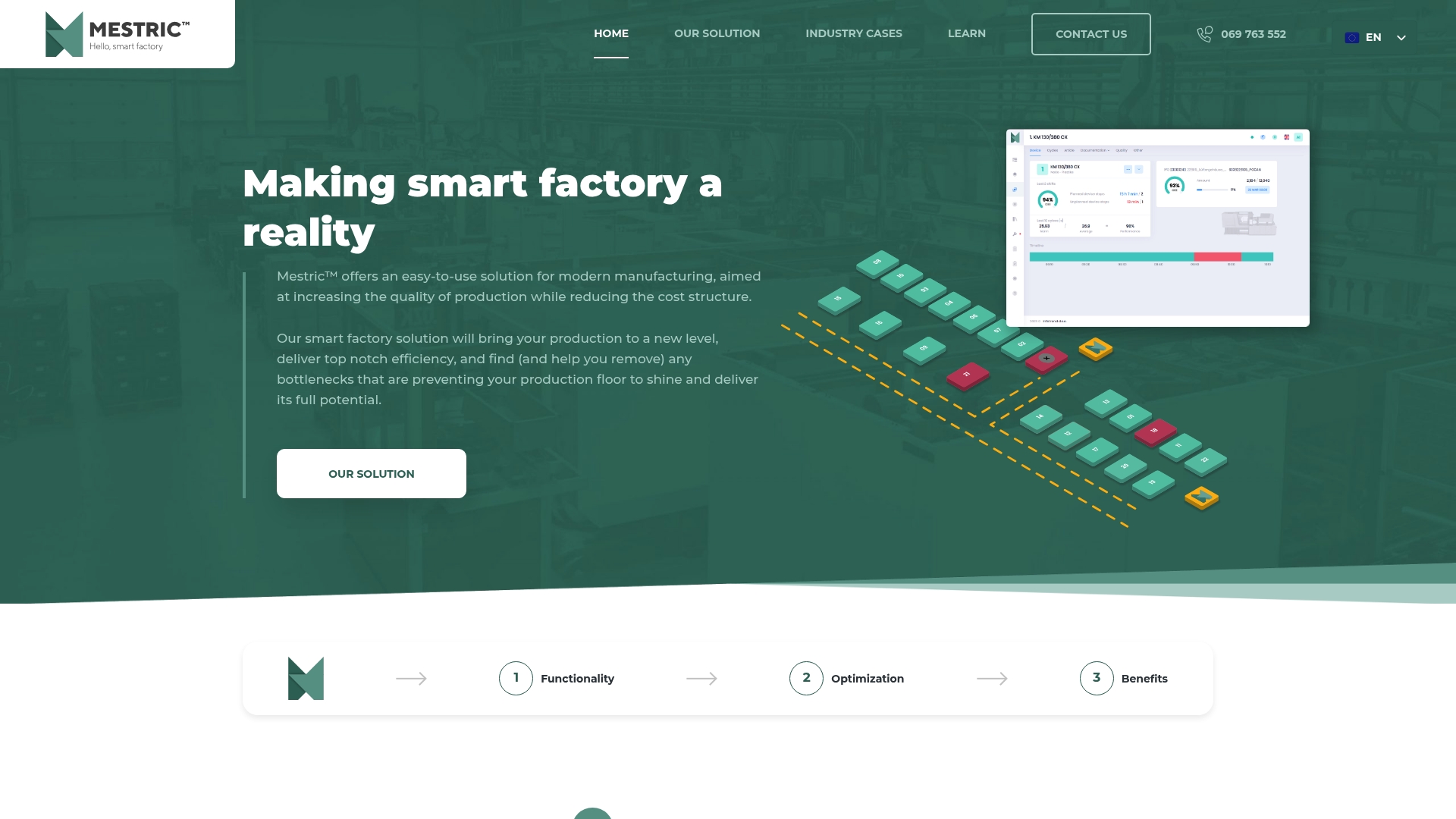
Take charge of your production efficiency today by visiting Mestric to discover how our MES platform can deliver measurable improvements fast. For manufacturers ready to evolve with modern technology and overcome persistent operational challenges, Mestric™ offers proven solutions and practical support. Start your journey towards operational excellence now and see the difference real-time data can make.
Interested in joining a community focused on innovation and growth in manufacturing? Visit Zaposlitev - Mestric to learn more about career opportunities and people driving change with us.
Optimising production processes leads to several benefits, including reduced cycle times, lower defect rates, better resource utilisation, minimised downtime, and improved cost management. These enhancements directly contribute to increased profitability and competitive advantage.
A Manufacturing Execution System (MES) enhances production efficiency by providing real-time visibility into operations, enabling proactive maintenance, and facilitating data-driven decision-making. It helps identify bottlenecks and inefficiencies, allowing for immediate corrective actions and continuous improvement.
Key areas include process efficiency, quality consistency, resource utilisation, downtime reduction, and cost management. Addressing these factors holistically ensures that all parts of the production system work together effectively.
The impact can be measured by tracking specific metrics such as cycle times, defect rates, downtime frequency, and overall production costs. Establishing a baseline before implementing changes allows you to compare performance improvements over time.


 069 763 552