

TL;DR:
- Building a structured, repeatable system prevents costly production failures and improves quality leadership.
- Clear quality objectives and KPIs like defect rate and first-pass yield are essential for monitoring progress.
- Continuous review, proper training, and technology integration are crucial for sustainable quality improvements.
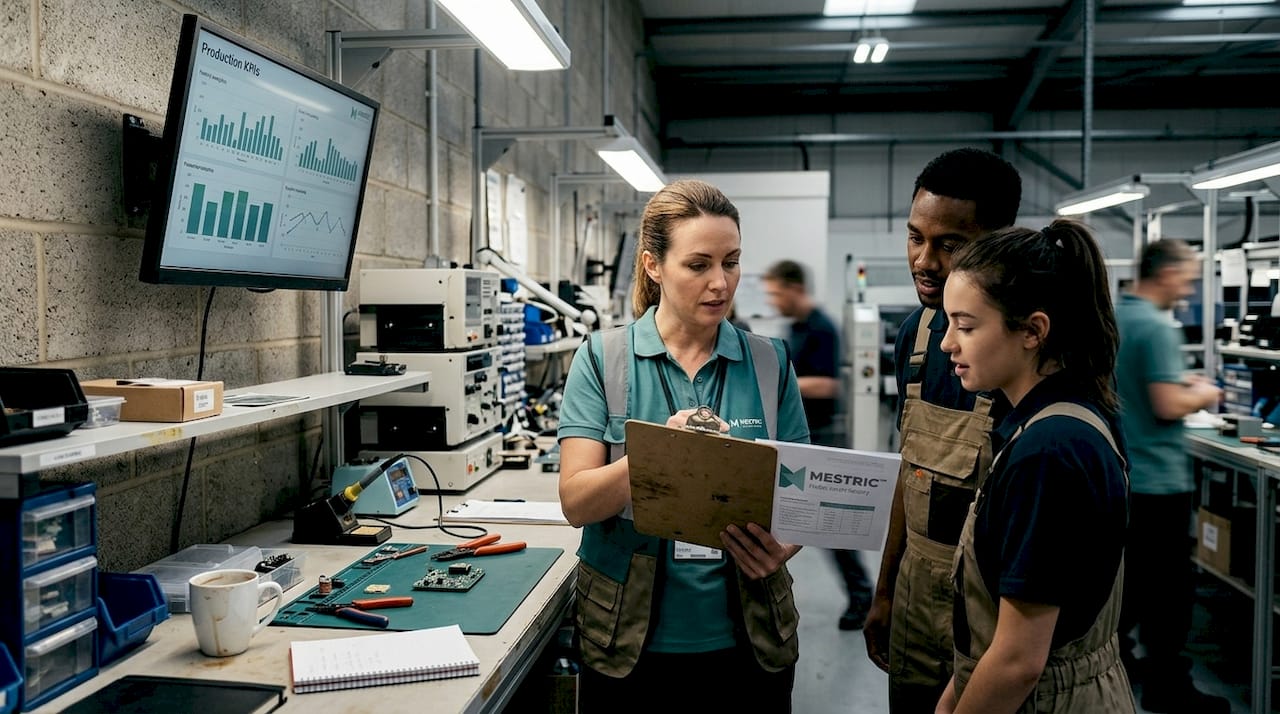
A single production quality failure can trigger costly recalls, erode customer trust, and set back months of operational progress. Poor production quality can result in costly recalls and reputational harm that takes years to repair. Manufacturing executives and quality assurance managers need more than reactive fixes. They need a structured, repeatable system that prevents failures before they escalate. This guide walks you through each stage of building that system, from setting clear objectives and preparing your teams, to executing real-time controls and optimising continuously. Follow these steps and you will move from firefighting to genuine, measurable quality leadership.
| Point | Details |
|---|---|
| Set focused KPIs | Target measurable objectives tied to real business outcomes for meaningful quality improvements. |
| Prepare people and tech | Process audits, team training, and the right tools lay the foundation for high-quality production. |
| Follow a stepwise control loop | Systematic monitoring and escalation enable timely, effective quality action. |
| Review and refine continuously | Ongoing analysis and learning from data drive sustainable, long-term quality gains. |
Having set the context for why production quality matters, the first critical step is to clearly define what success looks like. Without this, even well-intentioned efforts drift and produce inconsistent results.
Quality goals describe the outcome you want, such as reducing customer complaints by 20%. KPIs (Key Performance Indicators) are the measurable signals that tell you whether you are on track. Properly defined KPIs underpin quality monitoring success, giving your teams a shared language and clear targets.
The most impactful KPIs for production quality include:
Not all KPIs are equally useful. The table below contrasts strong and weak selections:
| KPI type | Strong example | Weak example |
|---|---|---|
| Defect tracking | Defect rate per product line | General “quality score” |
| Yield measurement | First-pass yield by shift | Monthly pass rate |
| Equipment health | OEE per machine | Machine uptime only |
| Cost impact | COPQ by process stage | Total scrap cost |
Align your chosen KPIs with strategic business targets. If your organisation is focused on quality improvement results, your KPIs should directly reflect that priority rather than tracking everything at once.
Pro Tip: Limit your initial KPI set to five or six high-impact metrics. Overloading teams with data from the start reduces focus and slows adoption. You can expand the set once the process is embedded.
Strong quality monitoring strategies always begin with this clarity of purpose. Without it, data collection becomes noise rather than insight.
Once you know what you want to achieve and how you will measure it, it is time to prepare your production environment for success. Process preparation is essential before executing any new production quality initiative.
Start with a process audit. Walk through each stage of your production line and identify where quality risks are highest. Look for:
Once gaps are identified, address team readiness. Training should cover root cause analysis techniques, correct use of digital tools, and how to interpret KPI dashboards. Teams that understand the why behind quality controls are far more likely to follow them consistently.
Processes may fail if teams lack the right digital tools or training. Technology alone does not solve quality problems; people who know how to use it do.
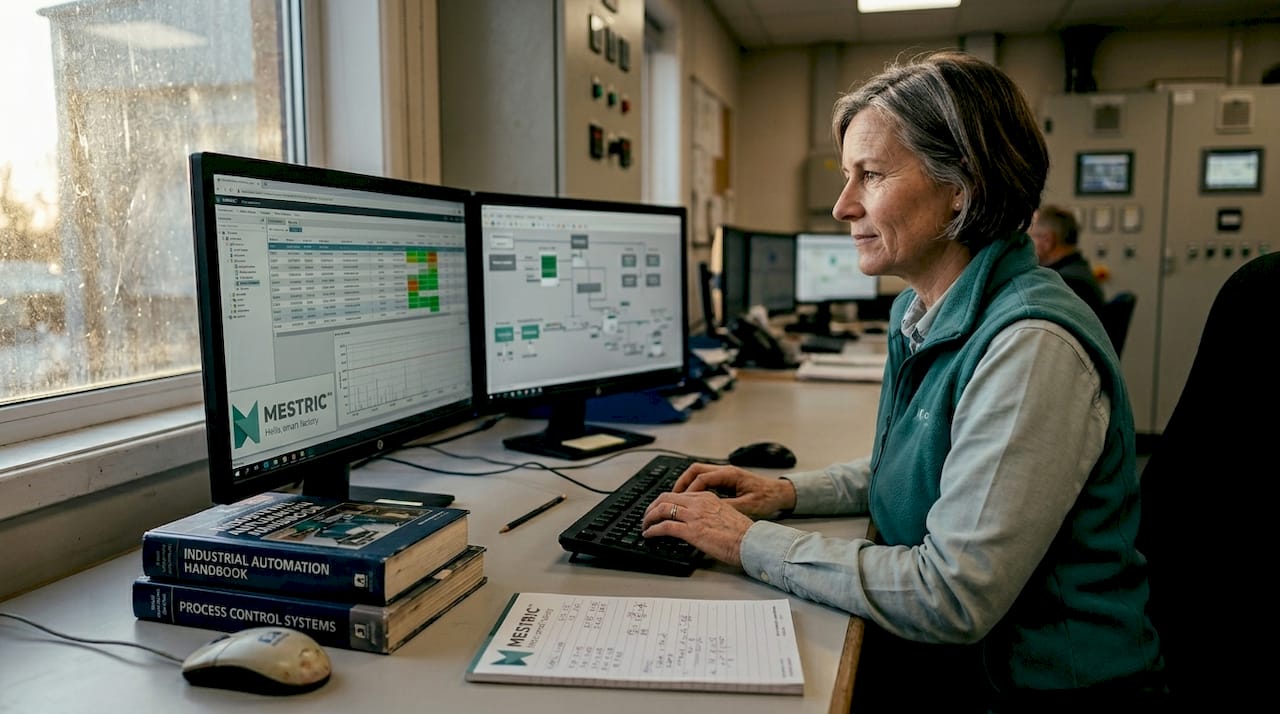
Selecting the right technology is the third pillar of preparation. A Manufacturing Execution System (MES) or digital quality monitoring platform connects directly with your equipment and centralises quality data. When evaluating platforms, consider these quality control tips to ensure the solution fits your specific production context.
Pro Tip: Prioritise technology that integrates easily with your existing ERP system and equipment. A platform that requires extensive custom development will slow your rollout and increase costs. Use this process improvement guide to structure your readiness assessment before committing to any system.
With preparations complete, now execute the systematic quality control routine to ensure every unit meets your standards. Combining automated and manual checks yields better quality outcomes than relying on either approach alone.
Follow this sequence for each production run:
The table below shows the practical difference between traditional and digital approaches:
| Control element | Paper-based approach | Digital MES approach |
|---|---|---|
| Data collection | Manual forms, end-of-shift | Real-time, automated capture |
| Defect detection | Delayed, often post-production | Immediate, in-process alerts |
| Corrective action | Verbal or paper instruction | Logged, tracked, and auditable |
| Trend analysis | Monthly manual review | Continuous, dashboard-driven |
Layered control loops strengthen your system further. Operators handle immediate checks, process engineers review shift-level trends, and the central quality team monitors performance across lines. Explore MES tool practices to understand how each layer can be supported with the right technology.
Real-time alerts are particularly valuable. When a parameter drifts out of specification, an instant notification allows teams to intervene before a batch is lost. This capability alone can deliver significant quality assurance savings by reducing scrap and rework costs.
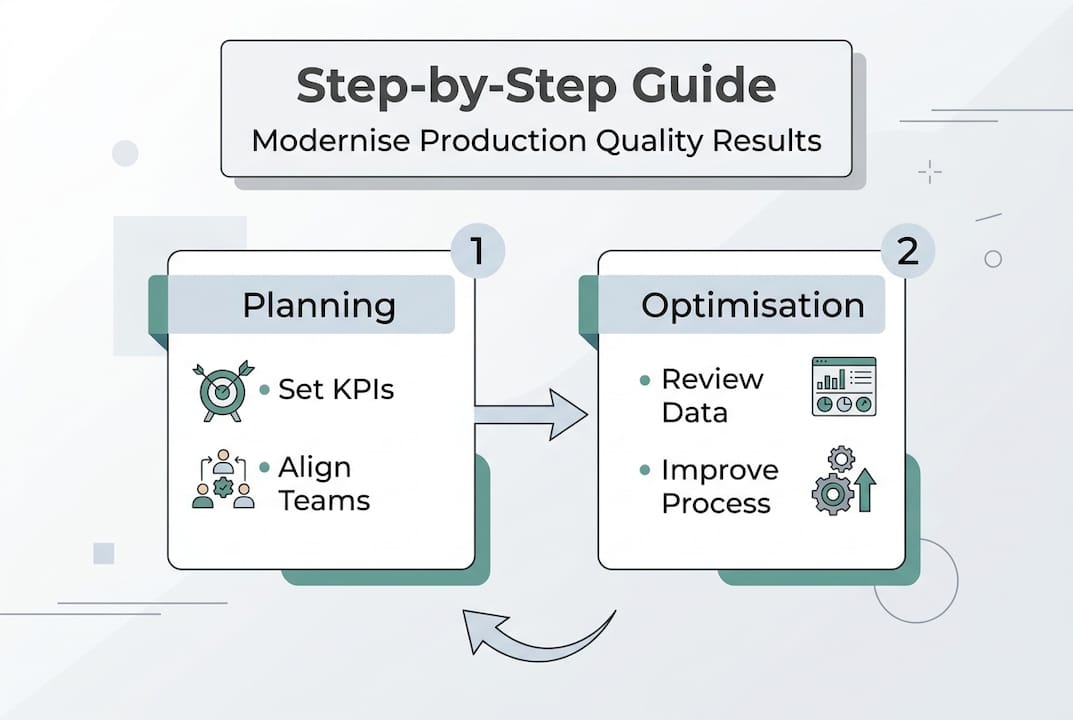
After carrying out the systematic monitoring and controls, it is essential to ensure learnings are captured and applied. Continuous review and optimisation close the quality feedback loop, turning raw data into lasting improvement.
Use your digital dashboards to review performance against the KPIs you defined in step one. Practical steps include:
Identifying root causes from data patterns is the most valuable part of this stage. A spike in defects on a Monday morning shift, for example, may point to a changeover procedure issue rather than a material problem. Data reveals what observation alone often misses.
Pro Tip: Hold a monthly cross-functional quality review involving production, engineering, and quality assurance. Present visualised KPIs rather than raw numbers. Teams respond far better to trend charts and comparisons than to spreadsheets of figures.
Use the findings from each review cycle to refine your objectives, update training materials, and adjust KPI targets where appropriate. Quality improvement is not a one-time project. It is a continuous process that compounds over time.
Even with the best plan, minor issues can quickly snowball. Here is how to head them off or recover fast.
The most common errors manufacturing teams make include:
Shortcuts in data collection today may multiply problems tomorrow. Incomplete records make root cause analysis nearly impossible and leave you exposed during audits.
Ignoring underlying process bottlenecks will undermine any quality programme, regardless of how well the monitoring system is configured. Technology surfaces problems; it does not fix them automatically.
Watch for these red flags in your implementation:
For quality control common mistakes, the solution is nearly always the same: go back to basics, clarify expectations, and ensure teams have what they need to do the job properly.
Reflecting on the above, you may wonder why some organisations consistently win at quality while others falter. The answer is rarely about technology or budget. It is about discipline and documentation.
Quick fixes, such as adding an extra inspection stage or changing a supplier in response to a complaint, address symptoms rather than causes. They can even increase hidden costs by adding complexity without addressing the underlying process gap. We have seen this pattern repeatedly across manufacturing environments of all sizes.
Step-by-step guides build something more durable. They create accountability at every level, make technology integration purposeful rather than speculative, and produce measurable cultural change over time. When a team follows a documented process, they can improve it. When they rely on informal fixes, they repeat the same mistakes.
In an era of complex supply chains and rising customer expectations, only systematic approaches scale. A structured production optimisation approach gives you the foundation to grow quality performance alongside production volume, rather than trading one off against the other.
If you are ready to take your next step on a proven quality improvement path, Mestric offers the tools and resources to support every stage of this guide.
From production quality monitoring solutions that connect directly with your equipment, to detailed comparisons of MES vs traditional approaches, Mestric provides practical guidance and a platform built for real manufacturing environments. Whether you are defining your first KPI set or optimising an established quality system, explore our production optimisation guidance to find the right next step for your operation.
Key KPIs for quality monitoring include defect rate, first-pass yield, and overall equipment effectiveness (OEE). These three metrics together give a clear picture of both output quality and the efficiency of the processes producing it.
Review production quality processes at least monthly, using the latest data trends for insight. Continuous review and optimisation are critical to closing the feedback loop and driving lasting improvement.
MES enhances manual controls, but human checks and expertise remain vital for best results. Combining automated and manual checks is best practice and produces more reliable quality outcomes than either method alone.
Engage teams early, provide clear KPIs, and offer practical training to ensure adoption. Process preparation must include team training and engagement to give any new quality initiative the best chance of success.


 069 763 552