

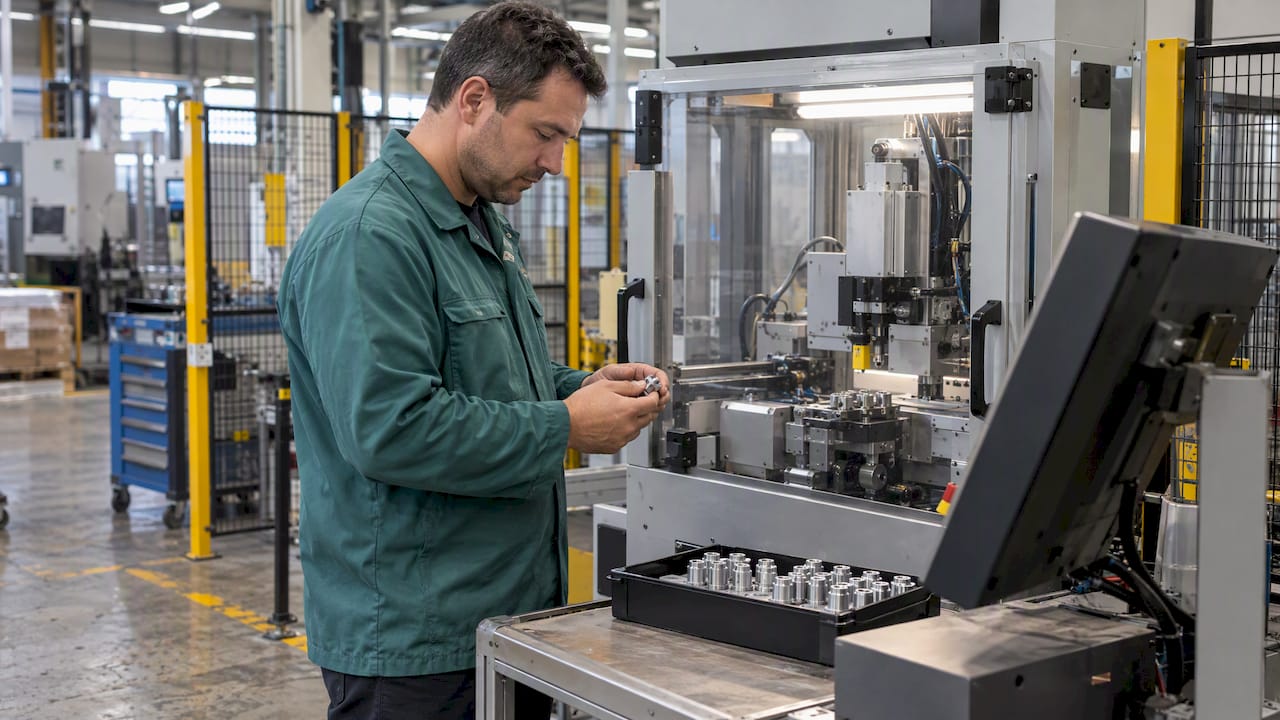
To accelerate a production startup, run a focused readiness checklist, pilot the highest-impact line, cut changeover time with SMED, and use real-time MES visibility while a designated roadblock remover clears issues as they appear. Start within the next 24 to 72 hours: confirm the checklist items below, assign a roadblock remover, and choose your pilot line. Mestric™ is one MES option available for the visibility piece of this plan.
TL;DR:
- Running a focused pilot on an easy-to-setup SKU helps generate clear data and reduces the risk of scaling with untested configurations.
- SMED planning can cut changeover times by 30% to 50%, mainly through pre-staging tools and mapping internal versus external tasks.
- Real-time MES dashboards should monitor downtime reasons, cycle time, and first-pass yield from day one to identify issues early.
- Assigning a single authority as roadblock remover and conducting daily huddles accelerates decision-making and prevents delays during ramp-up.
- Standardizing successful pilot procedures and planning remediation work during go-live improves speed and stability for overall scale-up.
Before the first shift runs, five things need to be true. Skip any of them and you will spend your first week firefighting instead of ramping up.
These are not aspirational targets. They are pass/fail conditions. If materials are not confirmed or quality gates are not agreed, delay the start rather than run blind. A production supervisor checklist can help you formalise ownership for each item before day one.
A structured sequence beats a rushed full-line launch every time. Three phases, each with its own owner and exit criteria, keep the ramp-up methodical.
Standardise what worked in the pilot: changeover sequences, quality checkpoints, and shift handover notes. Prioritise in this order: fix safety and quality risks first, then reduce changeovers, then close the biggest bottleneck. Costs tend to concentrate in the assessment phase (diagnostics, temporary staffing) and in scale-up (training, equipment duplication), so budget for both rather than assuming the pilot is the expensive part.
Pro Tip: Run your pilot on the SKU with the simplest bill of materials, not the highest-volume one. You want a clean signal, not a complicated one.
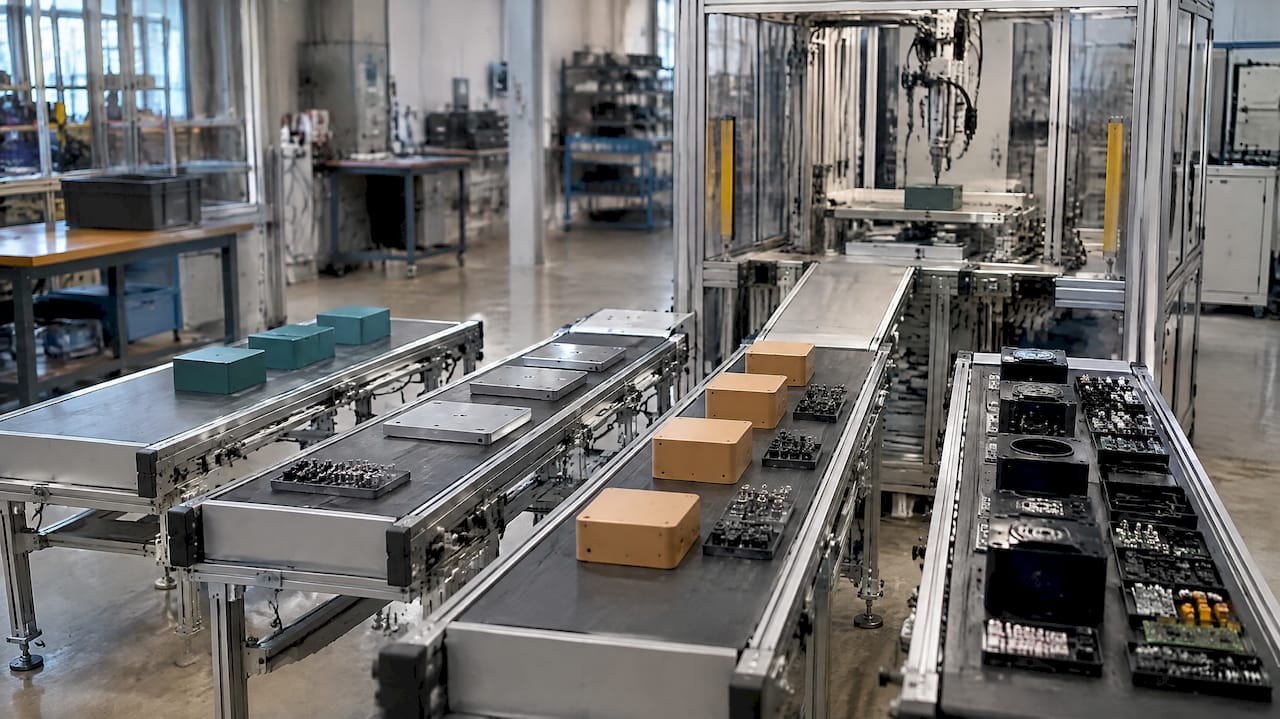
Single-Minute Exchange of Die (SMED) is the core method for shrinking non-productive time between runs. The principle is straightforward: separate internal activities (which require the machine to stop) from external ones (which can happen while it is still running), then convert as many internal tasks into external ones as possible.
A study of 373 maquiladora plants found that thorough SMED planning, done before the changeover itself, can save between 30% and 50% of setup time. That saving comes almost entirely from the planning and identification stage, not from working faster on the day.
Real-time monitoring tells you where time and quality are actually being lost, rather than where you assume they are. Build your first dashboards around four things: downtime reasons, cycle time distribution, first-pass yield, and work-in-progress levels.
Pro Tip: Set your first alert thresholds loose and tighten them weekly. Overly sensitive alerts in week one bury the signal you actually need.
Someone needs the authority to make fast decisions during ramp-up, or small problems stack into delays. This is the roadblock remover: a named person, not a committee, with a clear mandate to clear obstacles promptly.
A proactive roadblock remover approach paired with daily huddles and a short resolution mandate keeps execution moving without sacrificing accountability.
Most startup delays trace back to a handful of repeatable mistakes. Catching them early is cheaper than fixing them mid-run.
Copy this into your morning briefing or shift handover.
For a broader version of this, our manufacturing productivity checklist extends past the first week.
The research backs a conservative, phased approach over a rushed one. Beyond the SMED findings above, PPG’s rollout across multiple plants used standardised MES blueprints to achieve roughly 80% configuration reuse from site to site, cutting the work needed for each subsequent launch. Google’s own guidance on staged product launches recommends checklists and gradual rollouts rather than full-scale releases, a pattern that maps directly onto production ramp-up.
MES deployments typically surface previously invisible process inconsistencies and data gaps; teams should plan remediation work during go-live.
This is consistent with what Panorama Consulting reports about MES go-lives generally: visibility exposes weak processes, and the fix is a planned remediation backlog, not panic.
The gap between a textbook ramp-up plan and a working one usually comes down to one thing: most teams underinvest in the planning stage and overinvest in the pilot itself. A well-planned changeover analysis, done properly before the line starts, does more for speed than another week of pilot runs ever will. Teams that treat the pilot as the proving ground, rather than the practice round, tend to scale faster because they walk in with the configuration already settled. The lesson from onsite demonstrations is consistent: visibility into where time actually goes changes decisions faster than instinct does, and the earlier a team sees that data, the fewer assumptions it carries into scale-up.
— Andraž
A faster startup depends on seeing problems the moment they happen, not at the end of a shift. An MES platform can connect directly to shop-floor equipment and provide live dashboards for performance, downtime, and quality parameters, helping to catch and fix data gaps during the pilot rather than after scale-up.
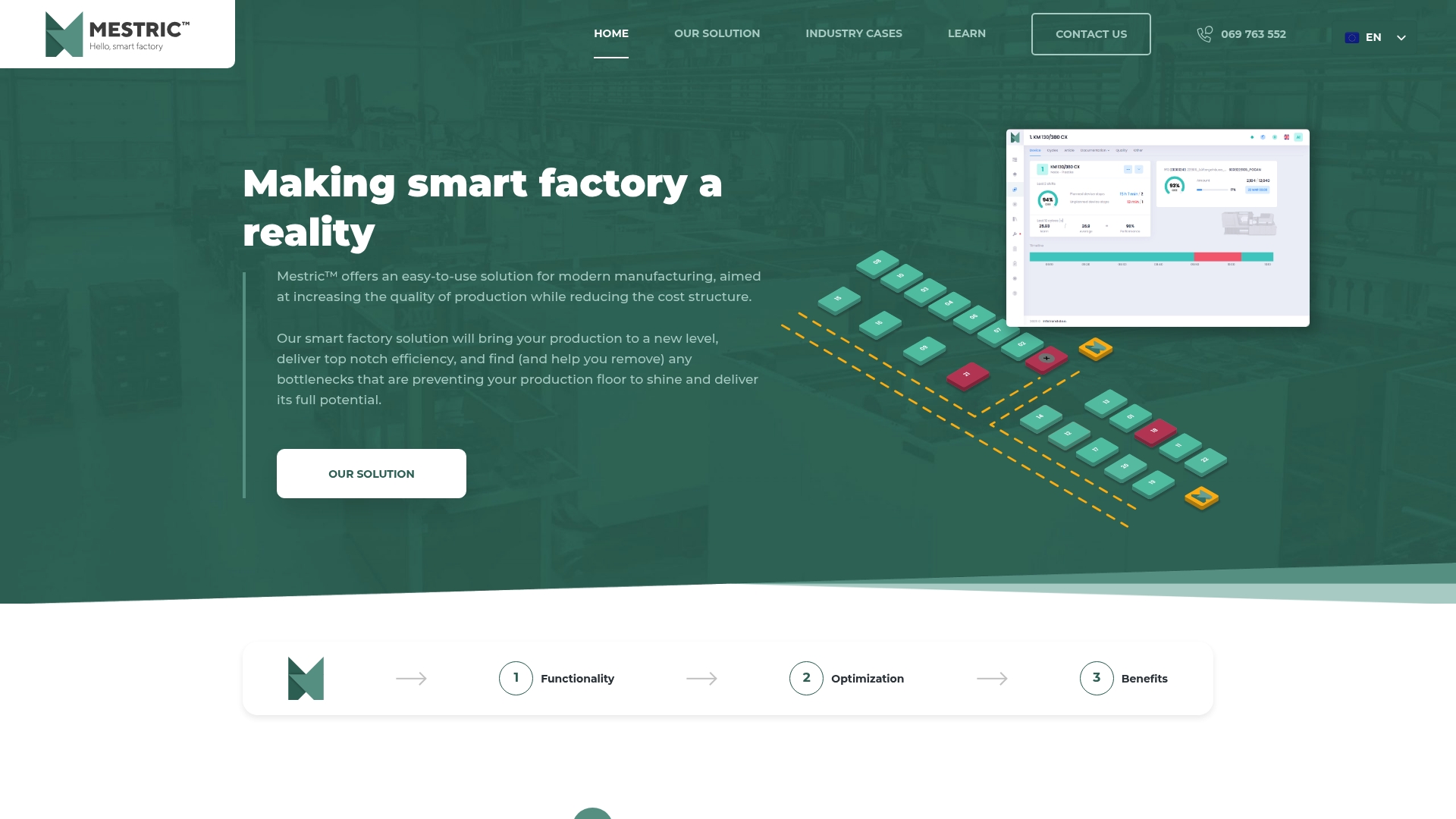
See how this works on a live production floor through the Mestric™ MES solution page, and book a demo to walk through your own ramp-up plan.
A focused pilot phase typically runs one to two weeks, followed by a phased scale-up over the following weeks using the pilot’s proven configuration. Timelines depend on equipment complexity and supplier reliability, so treat the pilot phase as the point where you confirm or adjust your schedule.
SMED, or Single-Minute Exchange of Die, separates changeover tasks into those that need the machine stopped and those that can happen while it runs. Thorough planning at this stage can save between 30% and 50% of setup time, with most of the gain coming from the planning work itself.
Track uptime, cycle time, and first-pass yield from the first shift, since these three numbers reveal most early problems. Downtime reasons and work-in-progress levels should follow once the basics are stable.
It should be one named person with the authority to approve overtime, temporary hires, or urgent supplier spend without waiting for sign-off. Daily huddles paired with a 24 to 72 hour resolution mandate keep this role effective without adding bureaucracy.
Yes, real-time dashboards from a platform such as Mestric™ help catch routing errors, missing data, and quality issues during the pilot rather than after scale-up. This visibility is particularly useful in the first 30 days, when lightweight monitoring matters more than a full reporting build.


 069 763 552