


TL;DR:
- A digital shop floor uses connected systems and real-time data to monitor and improve manufacturing operations. It transforms workflows and empowers operators to resolve issues quickly, reducing downtime and improving quality. Effective implementation requires reorganizing processes, aligning systems, and involving all staff as a business transformation.
A digital shop floor is the application of integrated digital systems and real-time data analytics to monitor, control, and improve manufacturing operations directly on the factory floor. The term is widely used in industry, but the recognised technical name is Digital Shopfloor Management (DSFM). Understanding what is digital shop floor means goes well beyond fitting screens to machines. It means re-engineering how your production teams work, make decisions, and respond to problems. This guide covers the core concept, key technologies, measurable benefits, common pitfalls, and practical steps to implement DSFM in your facility.
A digital shop floor uses connected software, sensors, and interfaces to give operators and managers live visibility of every production process. Real-time control of production replaces the paper boards, manual counts, and delayed shift reports that characterise traditional factory management. The result is a factory where problems surface in seconds, not hours.
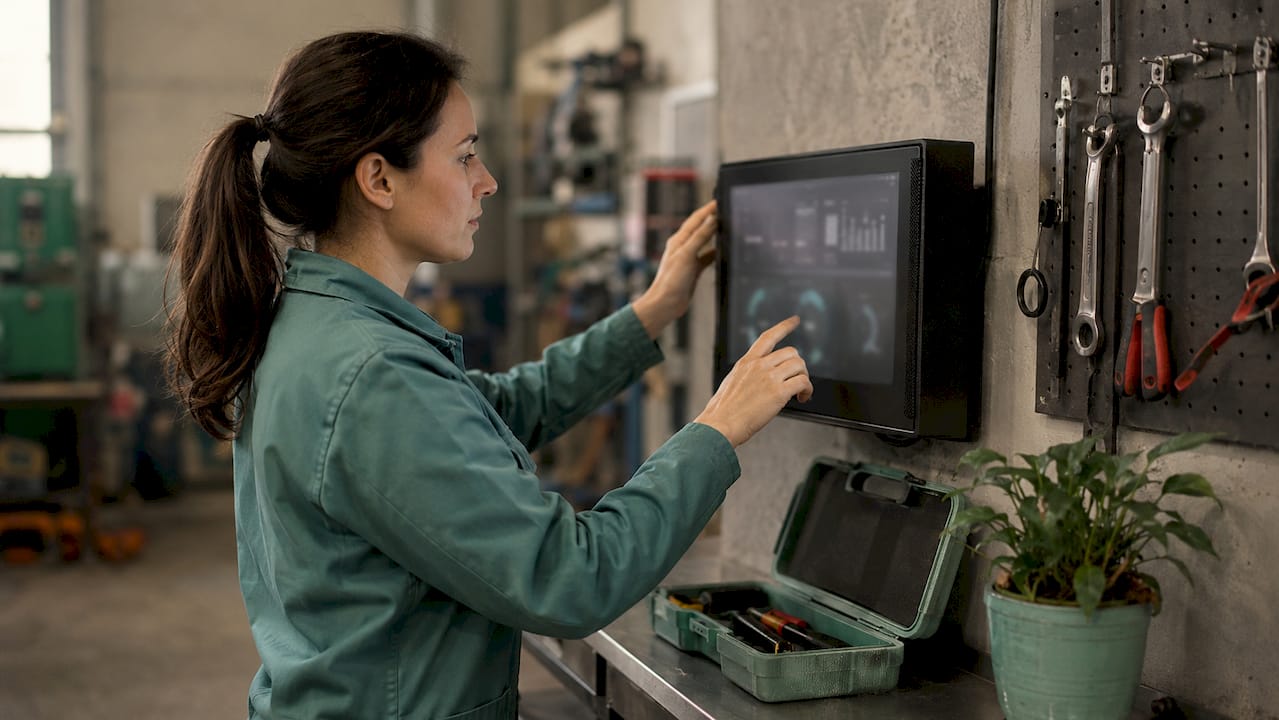
The core mechanism is automated data collection. Machines, assembly lines, and quality stations feed data continuously into a central system. Key metrics such as OEE (Overall Equipment Effectiveness), cycle time deviations, and bottleneck locations are visualised live on dashboards. Operators see exactly what is happening at their station. Managers see the full picture across the plant.
This is where digital shop floor management differs from simply digitising paperwork. Digitising inefficient processes without changing how people work produces poor results. True DSFM transforms work practices and empowers operators to resolve issues at machine level, without waiting for a supervisor to walk the floor.
Digital shop floor technology draws on several integrated systems working together. No single tool delivers the full picture. The combination of Manufacturing Execution Systems (MES), ERP platforms, IoT sensors, and AI-driven analytics creates the connected environment that makes real-time management possible.
Digital manufacturing platforms use IoT, big data analytics, cloud computing, and AI to improve production efficiency, flexibility, and quality. These capabilities support predictive maintenance, real-time monitoring, and faster collaboration across production teams. Autodesk Fusion Operations and NetSuite Manufacturing ERP are two well-known examples of integrated digital manufacturing ecosystems that connect shop floor data with broader business systems.
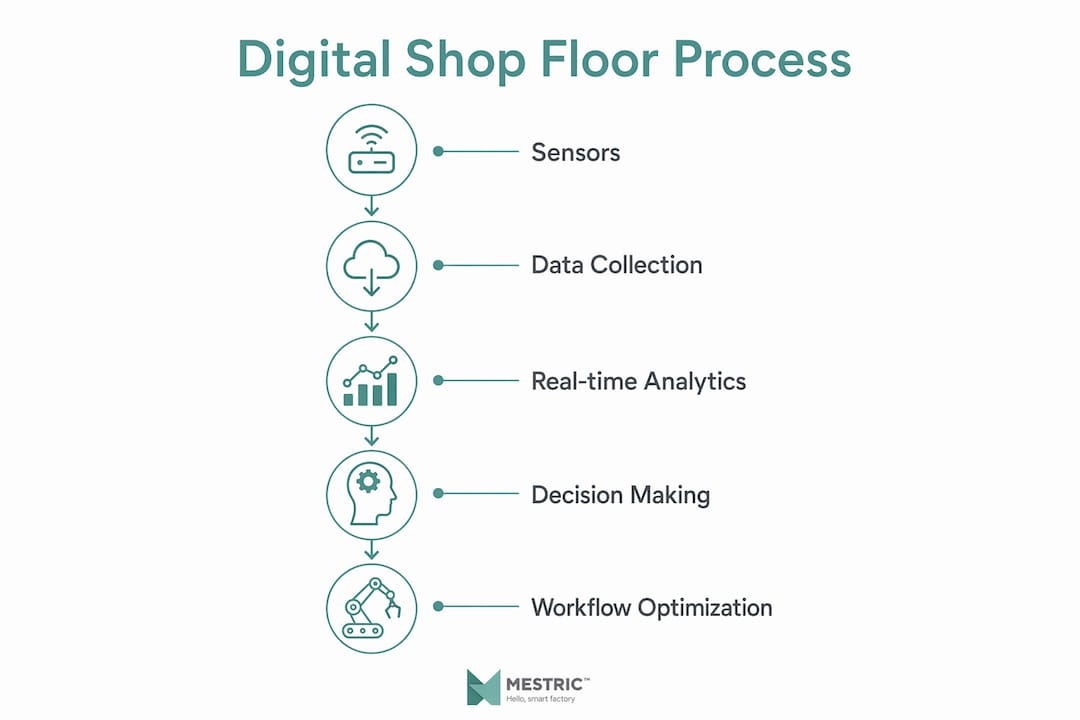
Shop floor software like AzzurroDigitale connects directly with production machinery and ERP or PLM systems, enabling real-time monitoring and quality control. This reduces manual errors, waste, and downtime while improving traceability and compliance. Digital andon boards, mobile devices for operators, and digital work instructions complete the operator-facing layer of the system.
The table below summarises the main technology components and their primary function.
| Technology | Primary function | Key benefit |
|---|---|---|
| MES (Manufacturing Execution System) | Tracks and controls production in real time | Live OEE, cycle time, and quality data |
| ERP integration | Connects shop floor data to business systems | Consistent data across planning and production |
| IoT sensors | Automated machine data collection | Eliminates manual entry and reduces errors |
| Digital andon boards | Visual alerts for operators and supervisors | Faster problem escalation and resolution |
| AI analytics | Pattern detection and predictive insights | Proactive maintenance and process improvement |
| Digital work instructions | Guides operators through tasks on screen | Reduced errors and faster onboarding |
Pro Tip: Choose tools that integrate natively with your existing ERP and quality systems. Every gap between systems creates a data break, and data breaks destroy the value of real-time monitoring.
The benefits of a digital shop floor are concrete and measurable. Immediately available status data reduces the time between an event occurring and a manager or operator reacting to it. That speed of response directly reduces downtime, scrap, and rework costs.
Key benefits include:
Digital manufacturing integrates design, production, and supply chain data through connected workflows and platforms such as PLM, CAD/CAM, and ERP. This ensures visibility and coordination that purely manual operations cannot achieve. For manufacturers running complex, multi-stage production, that coordination is the difference between reactive firefighting and planned, controlled output.
Digital andon boards enhance employee awareness and create a shared understanding of production status across the entire team. This transparency builds accountability and reduces the information gaps that cause delays and miscommunication on busy production lines.
The most common mistake in digital shop floor implementation is digitising existing inefficient processes without re-engineering the underlying workflows. You end up with a digital version of a broken process. The screens change; the problems do not.
A second major failure point is the system break. Shop floor software that lacks integration with ERP or quality systems creates fragmented data. Operators enter data in one system; planners work from another. The two never align. Success requires simple operator interfaces and consistent data models that enable predictive analytics and genuine continuous improvement.
The numbered steps below outline how to mitigate the most common implementation risks.
Pro Tip: Lighthouse projects let you test and adapt your digital shop floor solution on a contained area of the factory. They protect production continuity and generate the internal evidence you need to justify wider investment.
Change management is as important as the technology itself. Involving employees broadly and providing comprehensive training is a critical success factor. Teams that understand why the system exists and how it helps them adopt it faster and use it more effectively.
Traditional shop floor management relies on paper boards, manual data collection, and information that travels by word of mouth or end-of-shift reports. By the time a manager sees a problem, production has already absorbed the cost of it.
Digital shop floor management changes that dynamic entirely. The table below shows the key differences.
| Dimension | Traditional management | Digital shop floor management |
|---|---|---|
| Data availability | End of shift or daily | Continuous, real-time |
| Problem detection | Manual observation | Automated alerts and AI detection |
| Operator involvement | Reactive, task-focused | Proactive, data-informed |
| Communication speed | Verbal or paper-based | Instant, visual, and digital |
| Continuous improvement | Periodic reviews | Ongoing, data-driven cycles |
| Integration with ERP | Manual data transfer | Automated, consistent data flow |
PSI Technics describes DSFM as elevating traditional onsite leadership to smart factory levels. The shift is not just technological. It changes the role of the supervisor from information gatherer to decision-maker, because the information is already there.
Digital shop floor management also supports manufacturing workflow re-engineering in ways that static reporting never could. When every production event is recorded and timestamped, you can trace the exact sequence that led to a quality deviation or a downtime event. That traceability is the foundation of genuine process improvement.
Successful digital shop floor implementation follows a clear sequence. Starting with the right preparation prevents the most expensive mistakes.
Key steps and success factors:
Optimising shop floor efficiency requires both the right tools and the right process discipline. Technology alone does not deliver results. The combination of well-designed workflows, trained operators, and integrated systems is what produces measurable gains in productivity and quality.
For manufacturers looking at resource utilisation with digital tools, the implementation phase is also the right time to review machine occupancy, labour allocation, and material flow. Digital systems make those patterns visible for the first time, and that visibility is where the real improvement opportunities lie.
A digital shop floor delivers measurable operational gains only when it combines real-time data, integrated systems, re-engineered workflows, and trained operators working from simple, consistent interfaces.
| Point | Details |
|---|---|
| Core definition | Digital Shopfloor Management connects machines, operators, and systems for live production control. |
| Technology foundation | MES, ERP integration, IoT sensors, and AI analytics form the essential technology stack. |
| Primary benefit | Real-time data reduces the gap between a production event and a management response. |
| Biggest implementation risk | Digitising broken processes without re-engineering workflows produces no lasting improvement. |
| Key success factor | Broad employee involvement and simple operator interfaces drive adoption and sustained results. |
I have seen manufacturers invest heavily in digital shop floor technology and walk away disappointed. The technology worked. The implementation failed. In almost every case, the root cause was the same: the project was handed to the IT department and treated as a software rollout rather than a change to how the business operates.
The factories that get this right treat digital shop floor management as a production leadership initiative. The plant manager owns it. The operators shape it. The IT team supports it. That distinction matters more than any feature comparison between software platforms.
The second thing I would push back on is the idea that you need to wait until your processes are perfect before going digital. You do not. What you do need is an honest map of where your biggest losses are. Start there. A lighthouse project on your highest-loss line will teach you more in eight weeks than a year of planning meetings.
AI-driven predictive analytics and automated quality monitoring are genuinely changing what is possible on the factory floor in 2026. But they only work when the data feeding them is clean, consistent, and collected automatically. That means the integration work, the data model design, and the operator interface decisions are not technical details. They are the foundations the whole system rests on.
The manufacturers who will gain the most from digital shop floor management are the ones who treat it as a business transformation with a technology component, not the other way around.
— Andraž
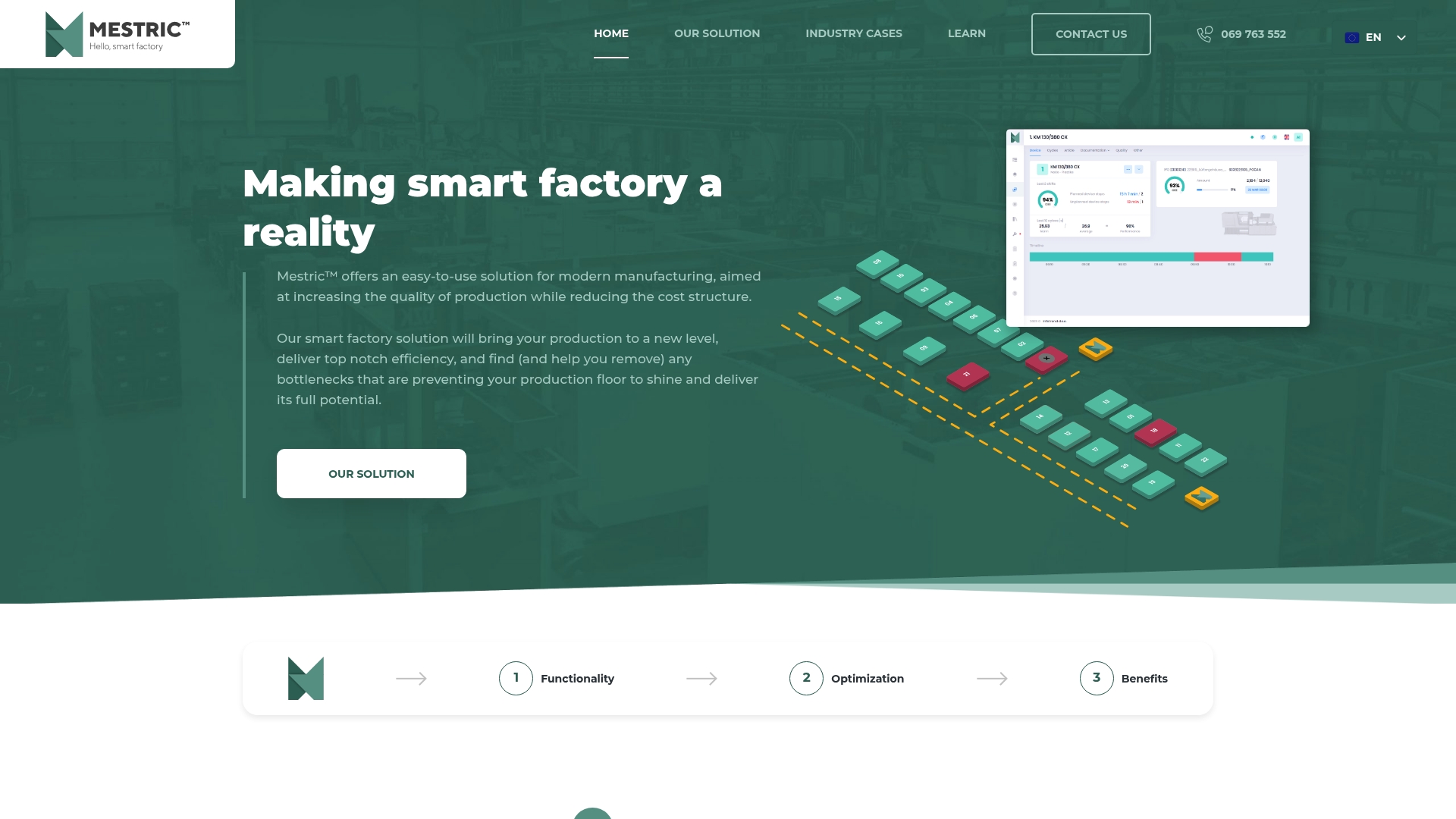
Mestric is a Manufacturing Execution System built specifically for production teams who need real-time performance data, quality monitoring, and AI-powered process insights in one connected platform.
If you are evaluating how MES compares to your current approach, the MES vs traditional manufacturing guide covers the key differences in efficiency, cost, and control. For a broader view of the software category, the types of manufacturing software overview explains which tools belong at each layer of your production system. Both resources give you the practical context to make a well-informed decision about your next step.
A digital shop floor is a factory environment where production processes are monitored and controlled using connected digital systems, real-time data, and automated data collection. The formal industry term is Digital Shopfloor Management (DSFM).
A smart shop floor typically refers to a more advanced stage of digital maturity, where AI-driven analytics, predictive maintenance, and autonomous decision-making are fully integrated. A digital shop floor is the foundation that makes a smart shop floor possible.
Digital shop floor automation reduces manual data entry, speeds up problem detection, and gives operators live performance feedback. The primary gains are lower downtime, fewer quality defects, and faster response to production deviations.
The biggest risk is digitising existing inefficient processes without changing the underlying workflows. This produces a digital version of the same problems. Re-engineering workflows before or during implementation is essential for lasting results.
A digital shop floor connects to ERP, PLM, and quality management systems through integrated data models. Consistent data integration across all platforms prevents system breaks and enables predictive analytics and continuous improvement cycles.


 069 763 552