

TL;DR:
- Factory digitalization integrates digital technologies across manufacturing to enhance efficiency, real-time visibility, and decision-making. It involves connecting machines, processes, and personnel through layered systems like sensors, MES, and cloud analytics, supporting autonomous smart factories aligned with Industry 4.0. Successful implementation relies on a clear architecture, phased stages, and focusing on operational decisions rather than just technology adoption.
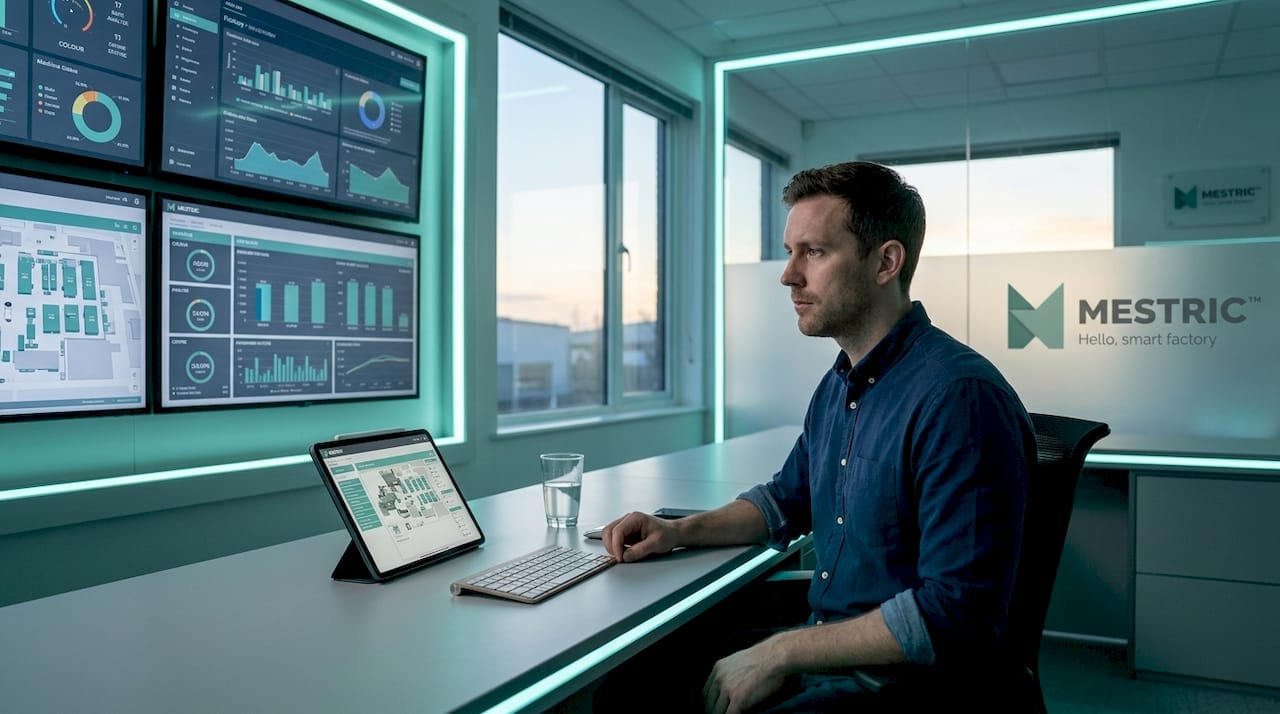
Factory digitalization is the integration of digital technologies throughout manufacturing operations to improve efficiency, real-time visibility, and decision-making. The industry term you will encounter most often is digital manufacturing, though factory digitalization and digital transformation in manufacturing describe the same underlying shift. At its core, this means replacing paper-based records, disconnected legacy systems, and reactive maintenance with IIoT sensors, cloud platforms, AI analytics, and Manufacturing Execution Systems (MES) that share data continuously. The result is a factory that does not just produce goods. It learns, adapts, and improves in real time.
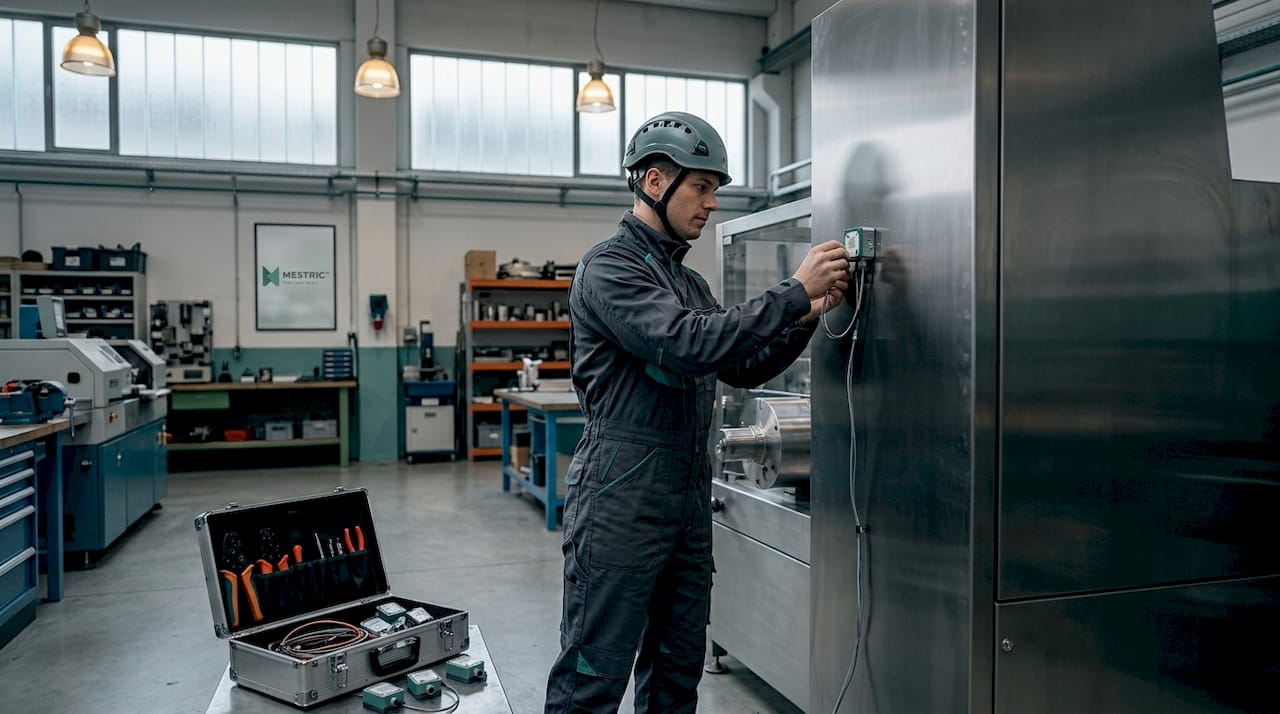
Factory digitalization is defined as the systematic use of digital technologies to connect people, machines, and processes across the entire manufacturing operation. This goes well beyond installing a few sensors on a production line. It means creating a unified data environment where every machine state, quality reading, and throughput figure is captured, contextualised, and acted upon.
The urgency is real. Manufacturers face tighter margins, shorter product cycles, and growing pressure to reduce waste. A factory running on spreadsheets and manual inspections cannot respond fast enough. Digital manufacturing gives you the data architecture to move from reactive to predictive operations, and from isolated decisions to coordinated ones across every shift and every plant.
Three forces are accelerating adoption in 2026. First, IIoT hardware costs have dropped significantly, making sensor deployment economical even for mid-size plants. Second, cloud platforms have matured to the point where you no longer need a dedicated IT department to run them. Third, AI-powered analytics can now surface actionable patterns from production data without requiring a data science team on site.
The digital factory is an architectural and organisational model that supports factory digitalization by connecting digital models, software tools, and people across the full factory lifecycle. Think of it as the operating framework within which digitalization technologies function. A digital factory connects teams and data across planning, production, quality, and maintenance, replacing siloed workflows with integrated data flows.
This model departs from the traditional approach where engineering, operations, and quality each maintain their own systems with minimal overlap. In a digital factory, a design change in engineering propagates automatically to production scheduling and quality control parameters. That kind of coordination reduces errors and cuts the time between decision and execution.
Key characteristics of the digital factory model include:
Digital twins are part of this model but not the whole of it. A digital twin is a simulation model used for predictive analyses within the larger integrated digital factory architecture. You can have a digital twin of a single machine without having a digital factory. The digital factory is the broader construct that coordinates systems, data, and people.
Pro Tip: Before investing in digital twin technology, confirm you have a reliable data layer underneath it. A digital twin fed by inconsistent or incomplete sensor data will produce misleading simulations, not better decisions.
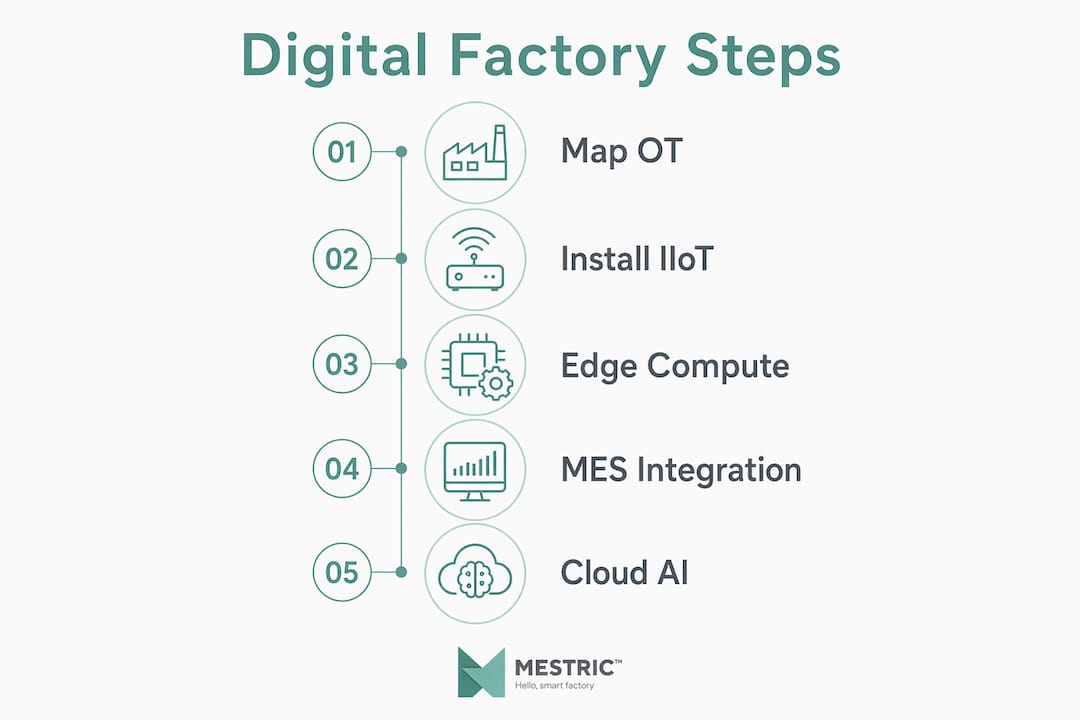
Factory digitalization rests on a layered technology architecture. Understanding each layer helps you prioritise investment and avoid building on weak foundations.
The digital architecture stack connecting IIoT sensors through edge computing to MES and cloud platforms is what enables both connected operations and advanced simulation use cases. Legacy systems, by contrast, typically operate in isolation. A CNC machine logs its own data locally, a quality inspector records findings on paper, and a plant manager reconciles the two at the end of the week. That gap between data capture and decision is where efficiency is lost.
| Technology layer | Primary function | Example application |
|---|---|---|
| IIoT sensors | Real-time data capture | Machine cycle time, temperature monitoring |
| Edge computing | Local data processing | Mid-cycle defect detection |
| MES | Production tracking and control | Work order management, OEE reporting |
| Cloud and AI | Aggregation and prediction | Predictive maintenance, yield optimisation |
Pro Tip: Start your MES deployment by connecting your highest-volume or highest-risk production line first. A focused pilot generates the performance data you need to justify broader rollout to leadership.
The business case for digital manufacturing is well established and growing stronger. Holistic redesigns enabled by factory digitalization can unlock productivity gains of up to 60%, improving energy consumption, material yield, and throughput simultaneously. That figure comes from BCG’s analysis of AI-enabled factories and reflects what happens when digitalization is applied across the whole operation rather than in isolated pockets.
The gains break down across several operational dimensions:
“AI-powered factories are outperforming traditional setups with measurable impacts on downtime, quality, and yield. The factories achieving the largest gains are those that have redesigned processes around digital data rather than simply adding technology to existing workflows.”
Reduced unplanned downtime is typically the first benefit plant managers notice. When sensors feed real-time machine health data into a predictive maintenance model, you can schedule interventions before failures occur rather than after. Quality improvements follow because digital monitoring catches deviations at the point of production rather than at final inspection. Yield increases because you can identify and correct the process variables that cause scrap.
Energy and material savings are less visible but equally significant. Integrated digital systems can identify when machines run at suboptimal settings, when material usage deviates from standard, and when energy consumption spikes without a corresponding output increase. The role of AI in manufacturing is to surface these patterns continuously, not just during quarterly reviews.
Scaling from isolated pilots to enterprise-wide AI platforms is identified by KPMG as a defining trend for industrial manufacturers in 2026. This means the competitive advantage no longer belongs only to early adopters. It belongs to those who can move fastest from proof of concept to full-plant deployment.
Effective implementation requires a structured approach. Many digital transformation initiatives fail because strategies remain abstract, lacking the concrete digital architecture needed to bridge intent and execution. The gap between a digitalization roadmap and a functioning digital factory is almost always an architectural one.
The following factors determine whether your digitalization programme succeeds or stalls:
The comparison below illustrates the difference between a point-solution approach and a holistic digitalization strategy:
| Approach | Scope | Outcome |
|---|---|---|
| Point solutions | Single machine or process | Local improvement, limited visibility |
| Integrated digitalization | Full production environment | System-wide optimisation and predictive capability |
| Enterprise-wide AI platform | Multi-plant, cross-functional | Resilient operations and continuous improvement at scale |
Pro Tip: Map your OT landscape before selecting any software platform. Knowing which protocols your machines use (Modbus, OPC-UA, MQTT) determines which MES or integration middleware will connect without costly custom development.
These three terms are frequently used interchangeably, but they describe distinct concepts with a clear relationship between them.
Smart manufacturing is enabled by a foundation of factory digitalization. Factory digitalization provides the data and process infrastructure. Smart manufacturing is what happens when that infrastructure matures to the point where systems can make and execute decisions autonomously, without constant human intervention. A digitalised factory monitors and reports. A smart factory acts on what it monitors.
Industry 4.0 is the broader industrial movement that encompasses both. It describes the fourth industrial revolution, characterised by cyber-physical systems, IIoT, cloud computing, and AI working together across entire value chains. Factory digitalization and smart manufacturing are the practical expressions of Industry 4.0 at the plant level.
| Concept | Definition | Scope |
|---|---|---|
| Factory digitalization | Integration of digital technologies into manufacturing | Plant-level data and process foundation |
| Smart manufacturing | Autonomous execution driven by digital data | Plant-level decision and action layer |
| Industry 4.0 | Broader industrial revolution using cyber-physical systems | Value chain and ecosystem level |
Digital twins sit within the digital factory layer as dynamic simulation models. They support predictive optimisation but do not define the digital factory on their own.
Factory digitalization succeeds when it is built on a coherent data architecture, deployed in phased stages, and scaled across the enterprise rather than confined to isolated pilots.
| Point | Details |
|---|---|
| Clear definition matters | Factory digitalization integrates IIoT, MES, cloud, and AI to create connected, data-driven manufacturing operations. |
| Digital factory is the framework | The digital factory model connects people, systems, and data across the full production lifecycle, not just the shop floor. |
| Technology stack is layered | IIoT sensors, edge computing, MES, and cloud analytics each serve a distinct role and must be integrated deliberately. |
| Productivity gains are measurable | Holistic digitalization can deliver productivity improvements of up to 60% when applied across the full operation. |
| Architecture determines success | Most digitalization failures trace back to vague strategies lacking concrete OT integration and data architecture plans. |
Having worked closely with manufacturing teams across process and discrete industries, the pattern I see most often is this: a plant invests in a new technology, achieves a local improvement, and then declares the digitalization project a success. Six months later, the improvement has not spread, the data sits in a silo, and the next technology purchase begins.
The uncomfortable truth is that technology is rarely the constraint. The constraint is almost always architectural. Teams buy an MES without first resolving how it will connect to their PLCs. They deploy sensors without defining what decisions those sensors are supposed to inform. They build dashboards that nobody acts on because the alert thresholds were never calibrated to real process limits.
What I have found actually works is starting with the decision you want to make differently, then working backwards to the data you need, and then to the technology that captures it. This sounds obvious. It is not how most projects run. Most projects start with a technology shortlist and work forwards, hoping the decisions will sort themselves out.
The factories making the most progress in 2026 are not the ones with the most sensors. They are the ones with the clearest picture of which operational decisions are currently made on incomplete information, and a deliberate plan to fix that. The manufacturing optimisation checklist approach, where you audit decisions before you audit technology, is the most reliable starting point I have encountered.
— Andraž
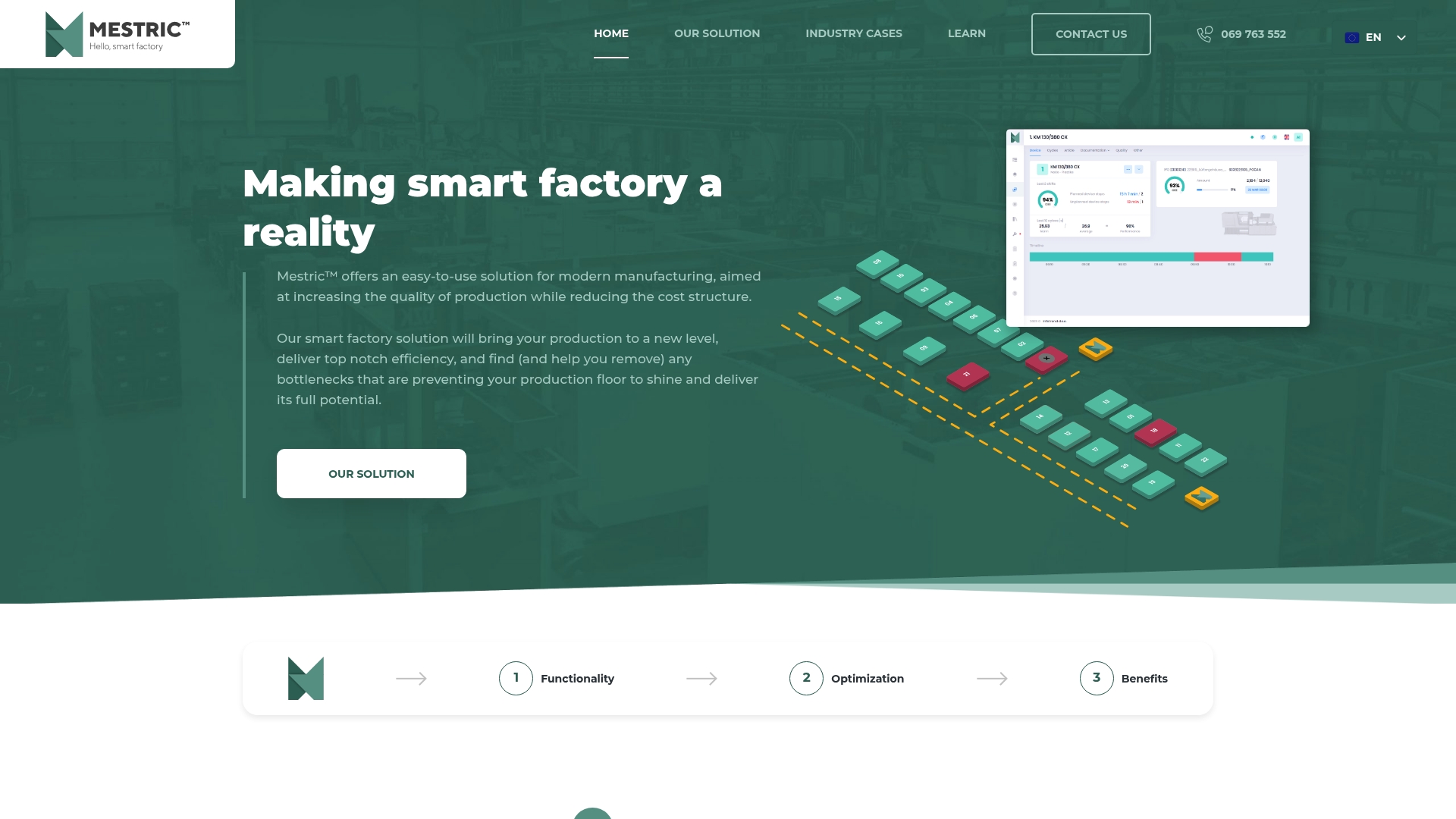
Mestric is a Manufacturing Execution System built specifically for plant managers and engineers who need real-time production data without the complexity of enterprise-scale IT projects. The platform connects directly to your manufacturing equipment and delivers live KPIs covering performance, downtime, quality parameters, and cost analysis, all in one place. AI-powered optimisation tools identify bottlenecks and surface improvement opportunities continuously, not just at the end of the shift.
If you are evaluating where an MES fits within your digitalization architecture, the MES vs traditional manufacturing comparison covers the efficiency case in detail. You can also explore the full range of manufacturing software types to understand where Mestric sits within a broader digital factory stack. Request an onsite demonstration to see connected machinery performance data in your own production environment.
Factory digitalization is the process of connecting machines, people, and production data through digital technologies such as IIoT sensors, MES platforms, and AI analytics. The goal is to replace manual, disconnected processes with real-time, data-driven operations.
Factory automation replaces human labour with machines for specific tasks. Factory digitalization connects those machines and all other production systems into a unified data environment, enabling monitoring, analysis, and optimisation across the whole operation.
The first step is mapping your current OT landscape, identifying which machines produce data, in what format, and through which protocols. This audit determines which integration approach and which MES or platform will connect without requiring extensive custom development.
Smart manufacturing is the stage where a digitalised factory can make and execute operational decisions autonomously. Factory digitalization provides the data foundation; smart manufacturing is what that foundation enables when it reaches sufficient maturity and integration.
Most manufacturers see measurable improvements in downtime and quality visibility within the first three to six months of MES deployment on a single production line. Enterprise-wide productivity gains of the scale reported by BCG require a phased rollout over one to three years.


 069 763 552